

WHY SOUTHERN AFRICA IS PERFECTLY POSITIONED
In a post-pandemic landscape where global uncertainty has reshaped how and why people travel, luxury is no longer defined by thread counts or champagne check-ins. The inaugural Luxury Travel Report 2025 from Preferred Hotels & Resorts, conducted in partnership with The Harris Poll, presents a powerful reframe of what high-net-worth travellers are seeking: depth, authenticity, cultural resonance, and emotional return on investment. 
For the South African and broader Southern African hospitality industry—home to some of the world’s most captivating landscapes and culturally layered experiences—the findings offer both affirmation and challenge. Affirmation, in that we already possess the raw material the global market is seeking. Challenge, in that we must now refine how we present it, curate it, and deliver it—seamlessly and with soul.
THE END OF BEIGE: WHY COOKIE-CUTTER LUXURY IS LOSING ITS APPEAL
One of the most striking revelations in the report is the growing dissatisfaction with what many affluent travellers call “the beige-ification of luxury.” Over 70% of respondents believe modern luxury hotels have become too standardised, with nearly three-quarters unwilling to pay premium rates for generic experiences.
In a local context, this is particularly pertinent for South African operators catering to both domestic and international travellers. The rise of homogenous décor, templated guest journeys, and uninspired service models is eroding the perceived value of high-end travel offerings – even when the backdrop is Table Mountain or the Serengeti.
The takeaway? Authenticity can no longer be an afterthought. Whether you operate a wine estate in Stellenbosch or a lodge in Limpopo, your brand must now answer the deeper emotional needs of the traveller—or risk being filtered out entirely.
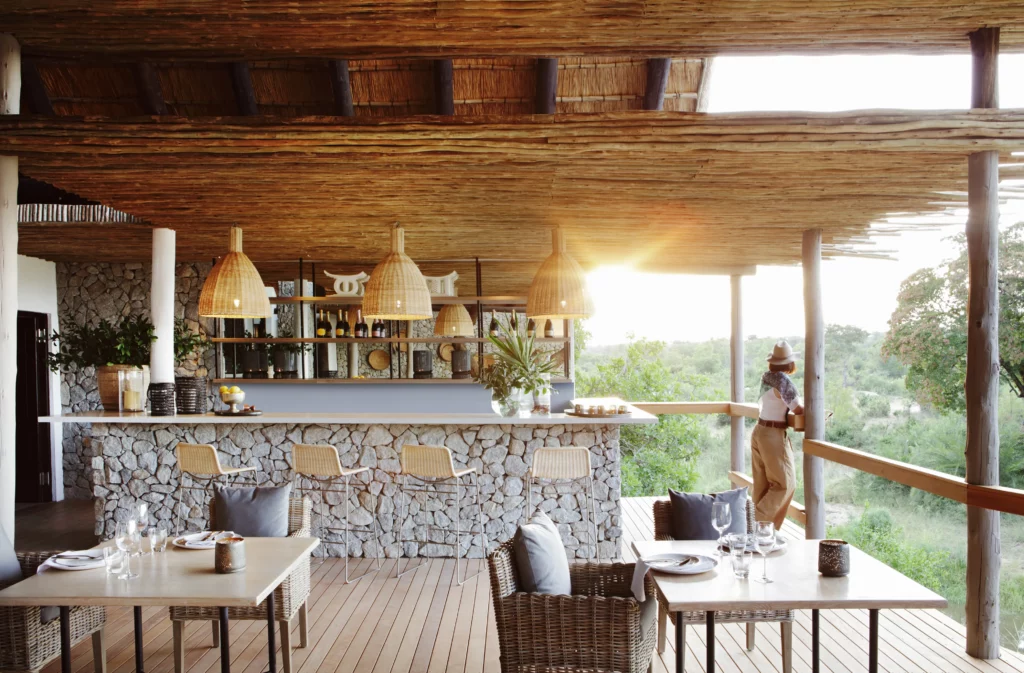
SOUL OVER STATUS: THE RISE OF LEGACY MOMENTS
The report underscores that over 80% of affluent travellers value insider access and local connection as the most meaningful elements of their trips. It’s no longer about ticking off bucket list destinations, but about creating legacy moments—those deeply personal experiences that connect guests to people, place, and purpose.
In Southern Africa, where storytelling, culture, and community intersect at every turn, this insight is golden. Safari guides are no longer just wildlife experts—they’re custodians of generational knowledge. Winemakers are artists. Hotel staff are local ambassadors.
For operators, the opportunity lies in elevating these roles and weaving local talent and traditions into every guest touchpoint. Forget concierge scripts – what’s needed is contextual intimacy, delivered with empathy and intuition.
CURATION IS THE NEW CURRENCY
More than 90% of respondents expect their trips to be curated, not just convenient. That doesn’t mean overplanning every minute, but rather eliminating friction while layering in discovery. Trusted travel advisors are being valued more than ever, with 84% of respondents saying they prefer human insight over algorithmic options.
For South African hospitality brands, this reinforces the importance of partnerships – not just with DMCs and agents, but also with community operators, artists, chefs, conservationists, and cultural leaders. The most powerful itineraries are no longer the most expensive – they’re the most connected.
Whether you’re a boutique hotelier or a regional group, consider how your experience flows across digital and physical spaces. Does your website reflect the emotional journey of your offering? Is your pre-arrival communication building anticipation or reducing it to logistics?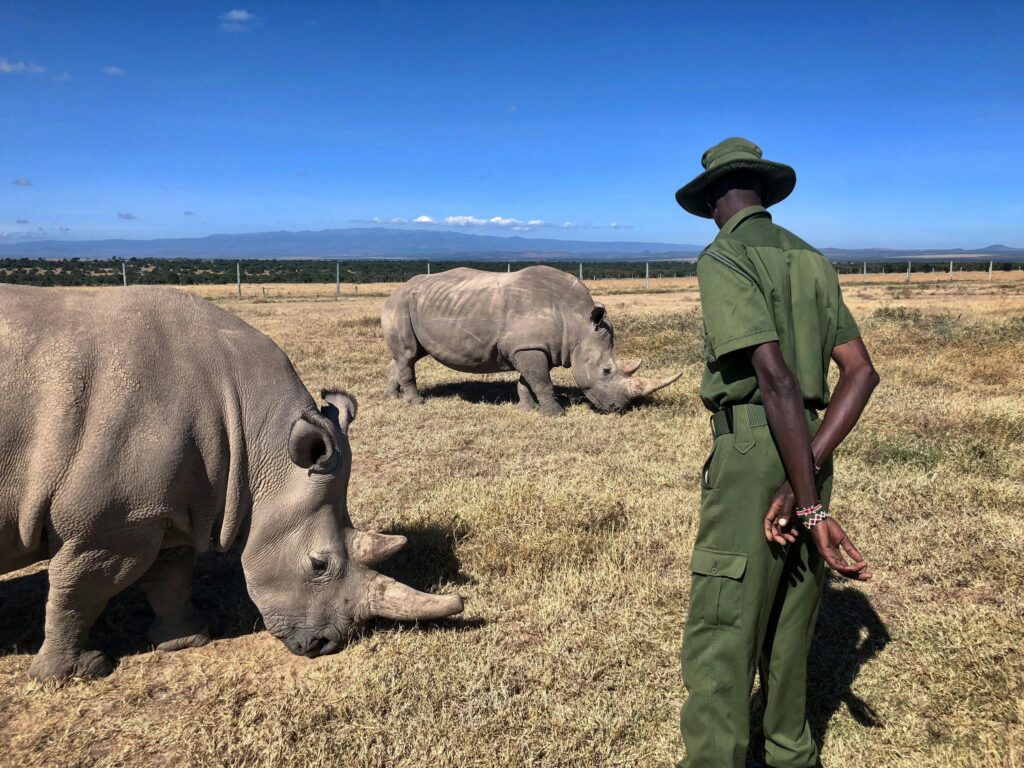
HERITAGE, FAMILY AND PURPOSE-DRIVEN TRAVEL
Another major trend revealed by the report is the rise in multigenerational travel and purpose-driven stays. Over 90% of respondents are looking for accommodation that immerses them in history and local culture, and 71% are planning trips with three generations of family.
For South Africa, this insight speaks volumes. Properties located in historic districts, old farms, townships, and wilderness areas have a unique edge—if their heritage is respectfully integrated and thoughtfully expressed.
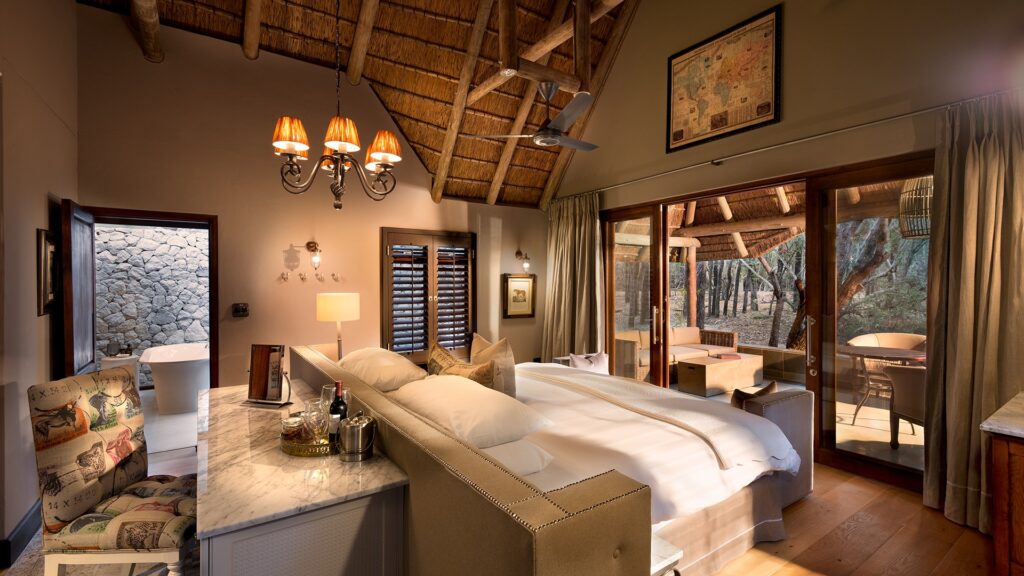
The same applies to family accommodation. It’s no longer just about space and babysitting—families want meaningful, age-spanning experiences: cooking with local chefs, hiking with wildlife rangers, learning indigenous crafts or storytelling around the fire.
Purpose also drives booking decisions. Travellers increasingly want to know where their money goes. Supporting local economies, preserving biodiversity, and engaging in low- impact travel are becoming essential factors in the luxury decision-making matrix.
LOYALTY BEYOND THE POINTS
The report found that 82% of respondents view loyalty programmes as essential for consistent, personalised hospitality. But the loyalty they’re seeking goes beyond points and perks—it’s about being remembered, not just rewarded.
For South African hoteliers, this means rethinking loyalty as a relational strategy, not just a marketing tool. Small gestures—such as remembering a guest’s favourite rooibos blend or their child’s birthday—can yield far more brand equity than yet another free upgrade.
WHAT SOUTH AFRICA MUST DO NOW
Southern Africa has all the raw ingredients to deliver on the new luxury: nature, narrative, nuance, and a hospitality culture rooted in ubuntu. But to truly capitalise on this shift, the industry must:

- Invest in curation – from the booking experience to check-out, every touchpoint should feel deliberate and personal.
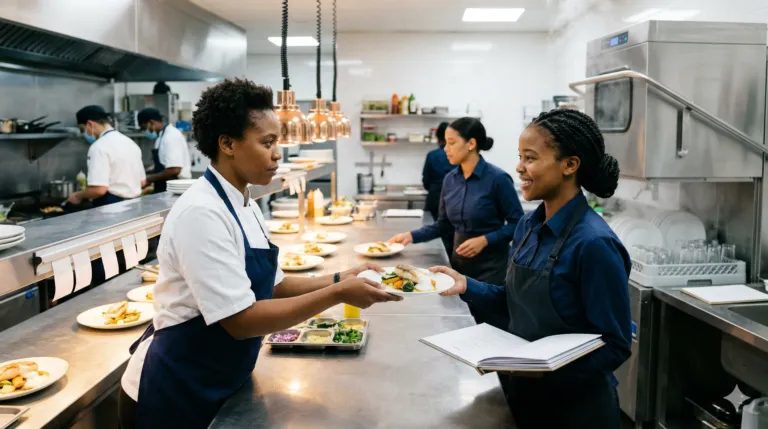
- Reframe service – empower staff as storytellers and cultural custodians.
- Embrace localisation – design offerings that reflect not just where you are, but who you are as a brand.
- Build emotional loyalty – treat return guests like family, not just bookings.
The global traveller is changing. They’re looking less for ‘luxury escapes’ and more for transformational stays. South Africa doesn’t need to reinvent itself to compete—it just needs to dig deeper into what it already has: soul, substance, and stories worth sharing.


Leave a comment