

What Happens Before Service Matters Most
Most professional kitchens face predictable pressure points. Labour fluctuates. Prep consumes valuable time. Margins stay tight. Service allows little room for error.
From Ice Cream Machine to Kitchen Standard
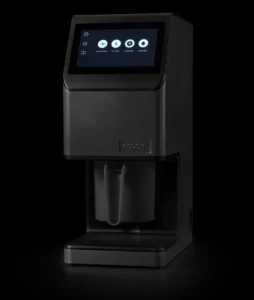
Swiss engineer Wilhelm Maurer developed the Pacotizing® process in the 1980s and brought it to market in the early 1990s.
He designed it for professional kitchens from the outset, and chefs have since expanded it into a system used across multiple sections.
What began as a solution for frozen desserts now sits at the centre of modern kitchen workflow.
What the Pacojet 4 Actually Is
At its core, the Pacojet 4 is a professional processing system designed to work with frozen ingredients.
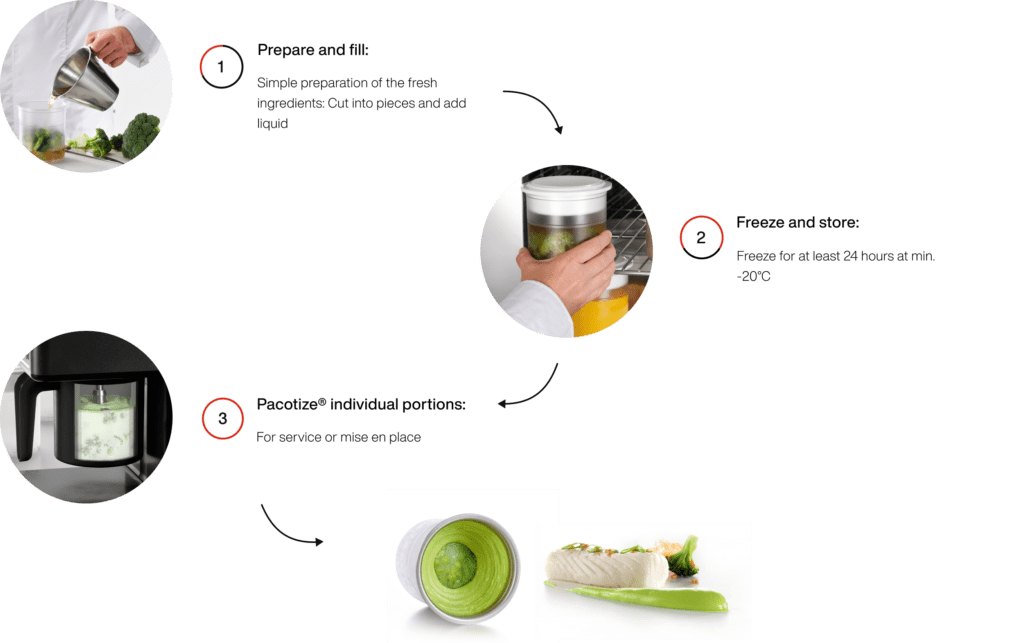
Chefs place ingredients into a beaker, freeze them solid, and process them on demand. Unlike traditional equipment, the Pacojet does not rely on blending or heat. Instead, it shaves extremely fine layers from the frozen product, creating a smooth and stable texture.
The process remains simple:
- Prepare and fill
- Freeze
- Process only what is needed
Because the product remains frozen throughout, the process preserves flavour, colour and structure.
What PacotizingTM Means in Practice
PacotizingTM refers to the micro-pureeing of frozen ingredients without thawing.
A high-speed blade rotates at approximately 2,000 rpm, shaving ultra-thin layers from the frozen block. This creates a texture that is finer and more stable than conventional blending.
It also allows kitchens to:
- Work without heat damage
- Avoid oxidation
- Maintain consistency across portions
This is where the system separates itself from traditional equipment.

What Makes the Pacojet 4 Different
The latest model builds on this core technology with features designed for real kitchen environments:
- Jet Mode for high-speed processing during service
- Repeat cycles for refining texture and aeration
- Overpressure functionality for lighter texture and increased yield
- Touchscreen interface for simplified operation
- Smart detection systems to prevent incorrect setup
- Data logging for consistency and recipe control
- Reduced noise levels for open kitchens
- Durable polycarbonate beakers for improved usability and cost
These are not cosmetic upgrades. They are designed to make the system more reliable under pressure.
Separating Prep from Service
The most important shift the Pacojet introduces is operational.
Preparation and service no longer need to happen at the same time. Ingredients can be prepared in advance, frozen at peak condition, and processed only when required.
This reduces pressure on the pass and allows teams to focus on execution rather than recovery.
What This Looks Like in a Working Kitchen
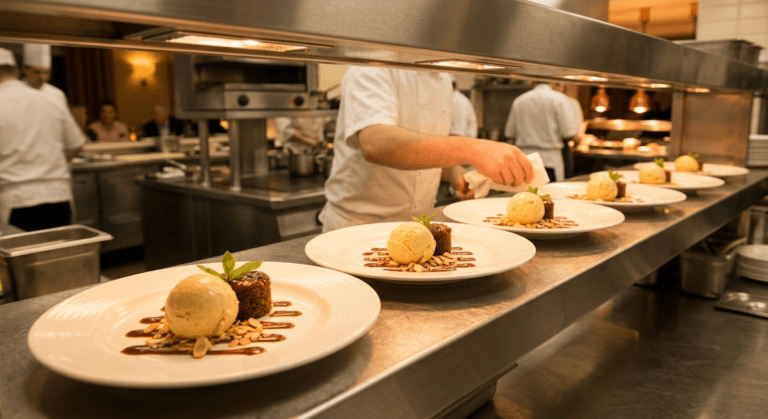
To understand the true value of the Pacojet 4, you have to look at the service pass. When the immense pressure of daily prep is removed, a kitchen gains the space to think differently. Chefs are no longer working around time constraints or highly fragile ingredients. Instead, they can build components in advance, test flavor variations, and refine textures in ways that would be completely impractical during a busy service. Here is how this shift in workflow transforms a modern South African menu across both boutique bistros and massive hotel operations.
The Mise en Place Operation: Bistros and Fine Dining
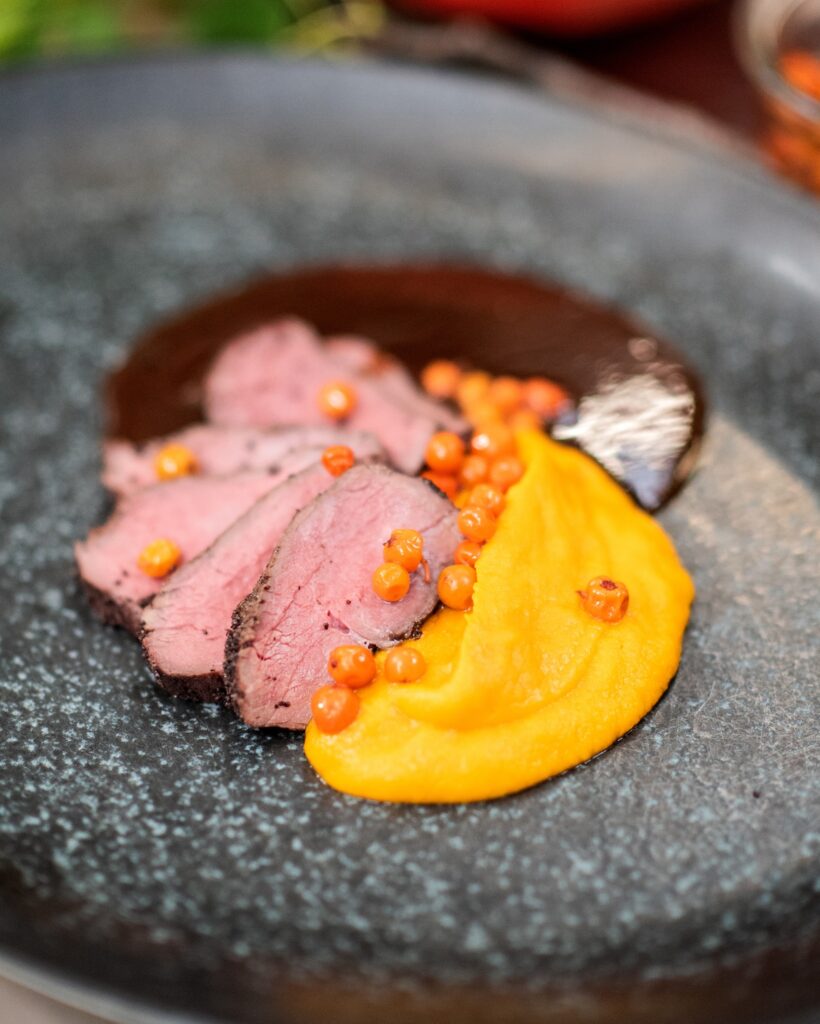
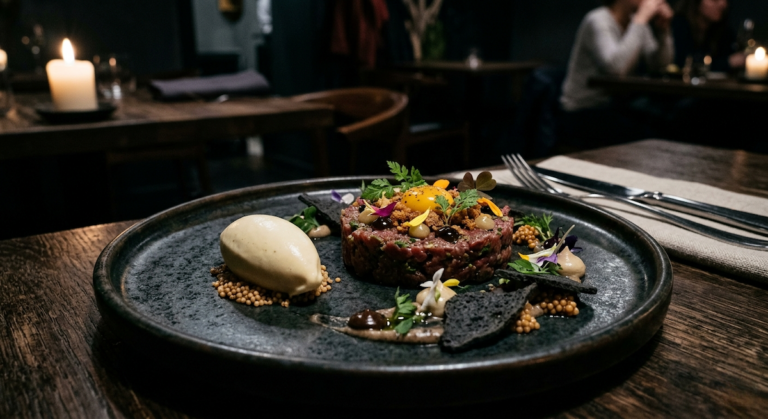
The Larder: Venison Tartare with Mustard Ice Cream

In the cold kitchen, temperature contrast is a powerful plating tool. By replacing a traditional room temperature condiment with a sharp, frozen mustard element, you create a component that cuts perfectly through the richness of the venison. Because the base is prepared in advance and processed to order, it removes last minute prep anxiety while delivering a highly consistent, premium finish.
The Fish Station: Crispy Line fish with Sauerkraut Snow
Fermented elements offer great acidity but can easily overpower a delicate protein if not handled correctly. By freezing sauerkraut and its brine, then processing it into a light, acidic snow, a heavy component is transformed into a precise, melting garnish. It provides a controlled burst of flavor at the pass without making the crispy fish skin soggy.
The Hot Kitchen: Sunchoke Risotto Base
Vegetable driven dishes benefit immensely from flavour concentration. Roasted artichokes are frozen and processed into a micro fine puree, which is then folded through a risotto at the final plating stage. This base adds incredible depth and an earthy creaminess, achieving a luxurious mouthfeel without relying on heavy butter or cream.
The Pastry Section: Toasted Almond Cream with Naartjie Sorbet
Desserts require ultimate structural stability. A perfectly smooth toasted almond base is paired with a vibrant naartjie sorbet, which utilizes the entire fruit to maximise essential oils and minimise waste. The result is a highly balanced signature dessert with an aerated texture that holds up perfectly under the heat of the kitchen lights.
Large Scale Operations: Hotels and Banqueting
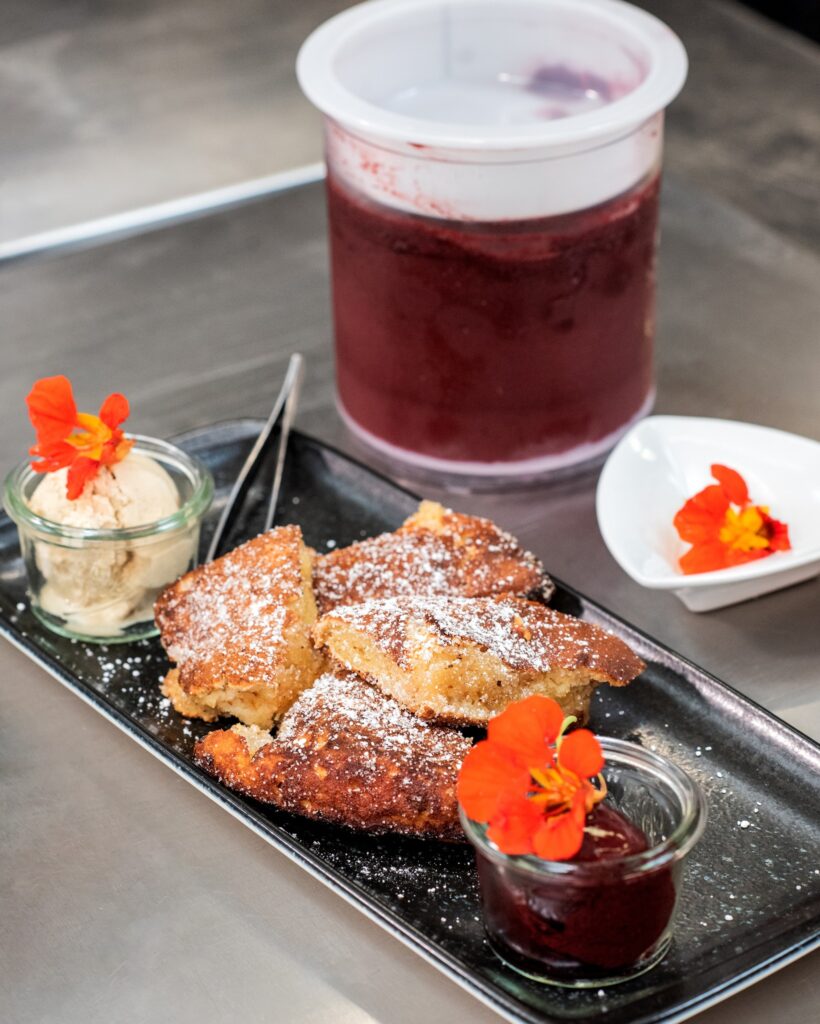
Waste Reduction: Malva Pudding Ice Cream
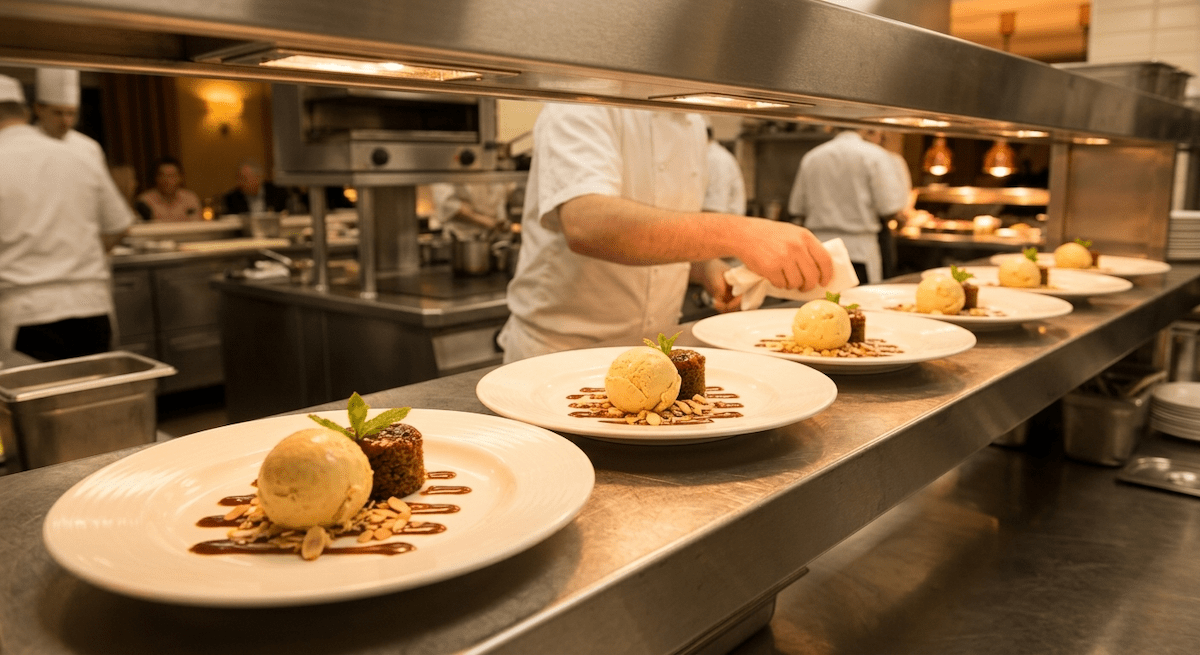
Hotels often manage high volumes of leftover pastries. By soaking leftover Malva pudding or seasonal buns in a custard base and freezing them, the machine pulverises the sponge fibres into the frozen structure. It transforms potential food waste into a premium, dense, and flavourful ice cream that guests will recognise and love.
High Speed Service: Roasted Pumpkin and Sage Broth
Volume catering demands speed without compromising quality. Using the new Jet Mode, a liter of soup is processed in exactly 90 seconds. The overpressure incorporates air into the local pumpkin fibers, creating a velvet texture that feels like it contains expensive heavy cream, which significantly lowers food costs for large scale wedding or corporate functions.
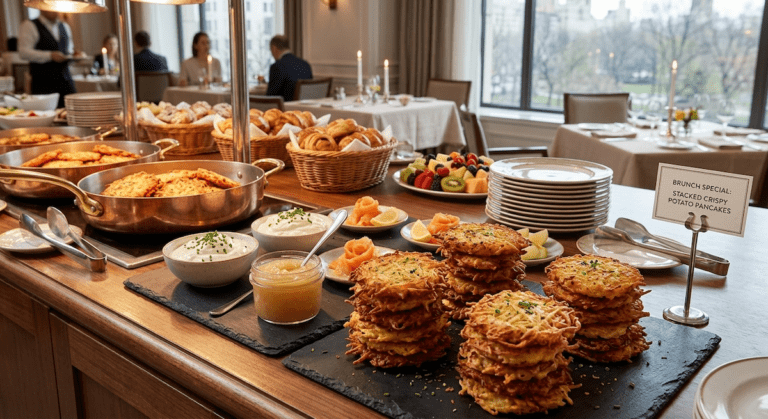
Breakfast Standardization: Pacotized Potato Pancakes
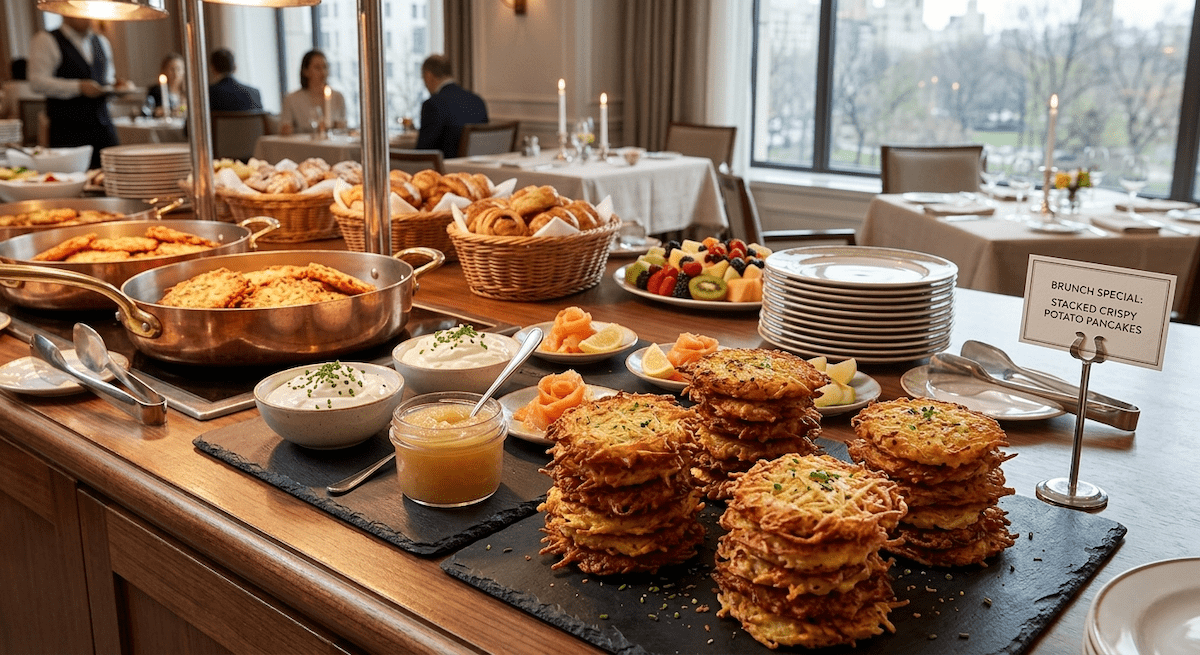
Instead of manual grating, which is labor intensive and highly inconsistent, the kitchen freezes a seasoned potato and onion mass. Processing it creates an aerated, uniform dough. When fried or baked, the exterior is glass crunchy while the inside is light and fluffy, ensuring every guest gets the exact same quality regardless of who is working the morning shift.
Temperature Control: Cured Trout with Yuzu and Ginger Sorbet
Keeping fish at the correct temperature during a long South African summer wedding is a logistical nightmare. Shaving a processed yuzu and ginger sorbet over the trout at the pass acts as both a vibrant dressing and a rapid cooling agent, ensuring the dish reaches the guest at a refreshing, safe temperature.
Doing More With What You Already Have
- The system allows kitchens to extract more value from ingredients.
- Peels, stems and off-cuts can be processed into usable components, reducing waste and increasing yield.
- This shifts how kitchens think about product utilisation and menu development.

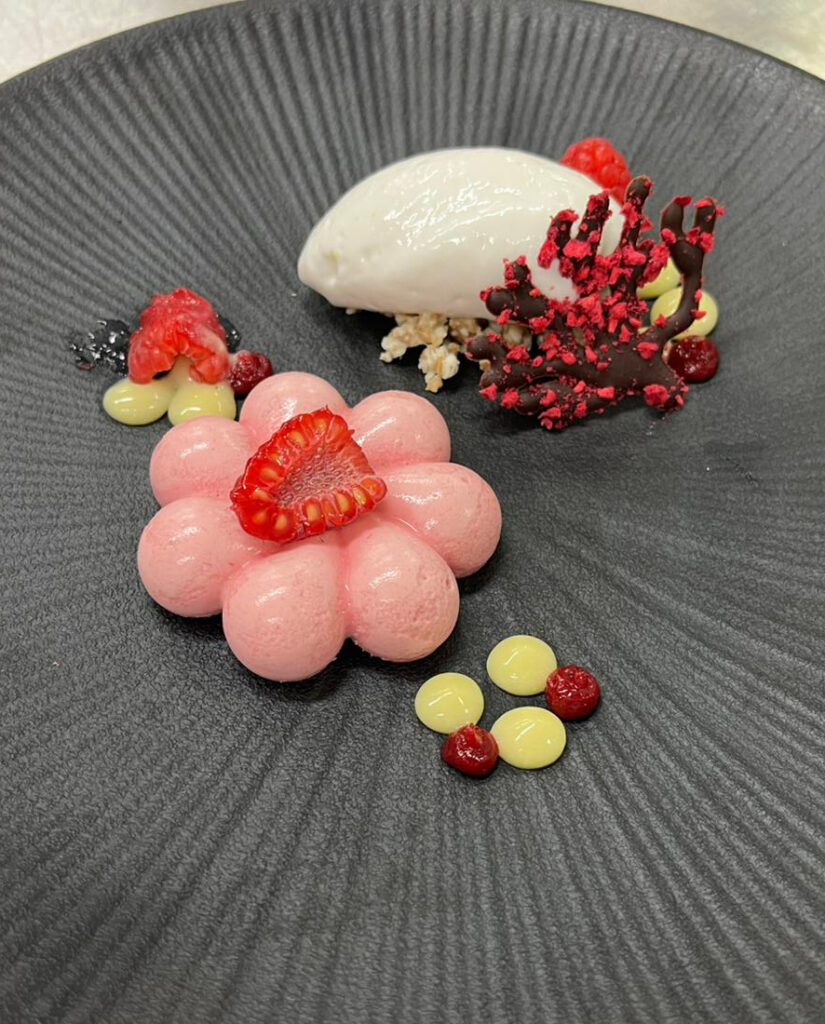
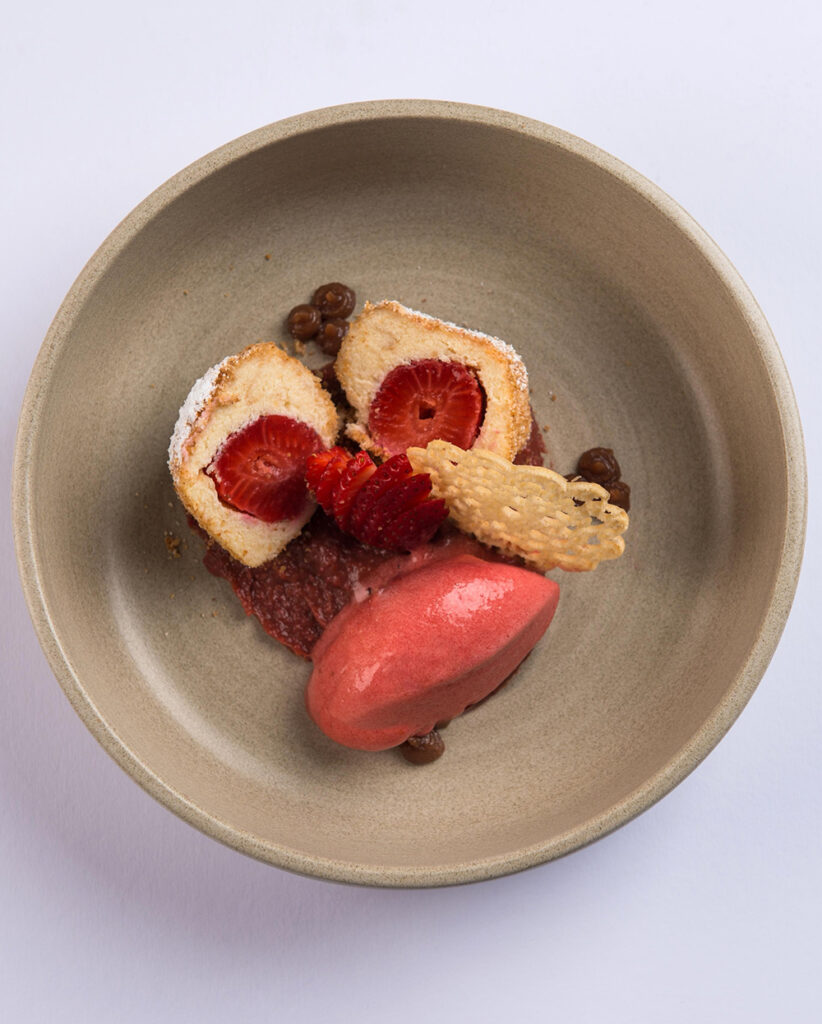
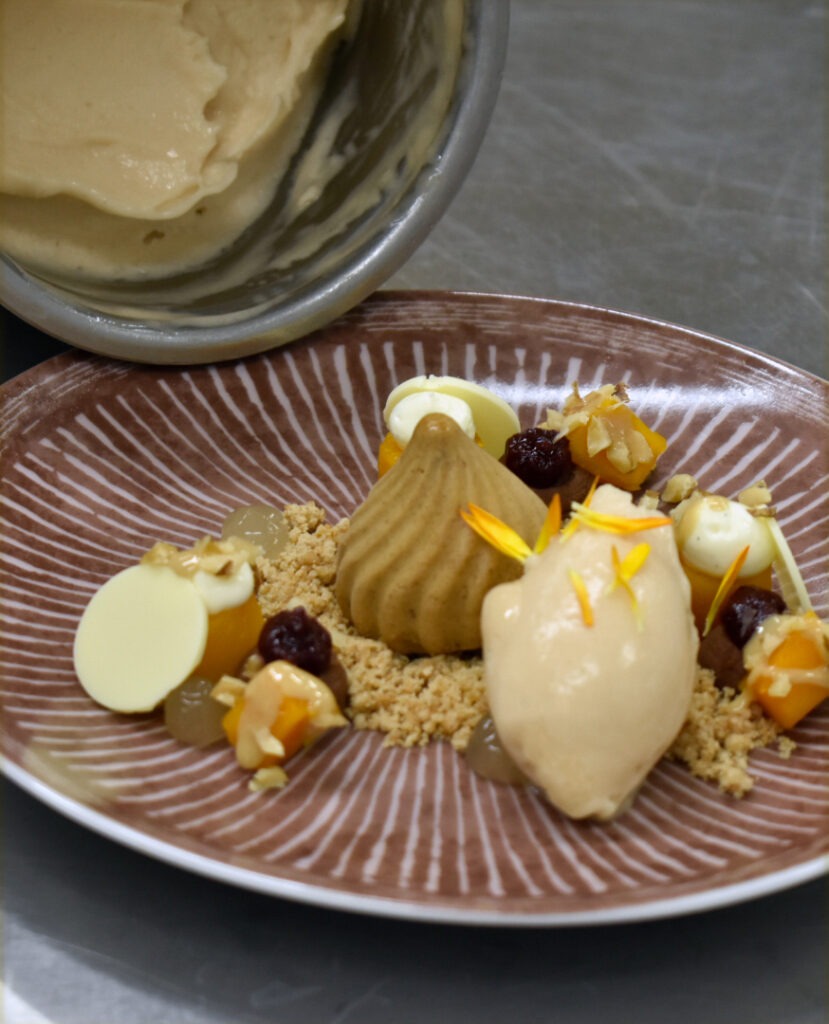
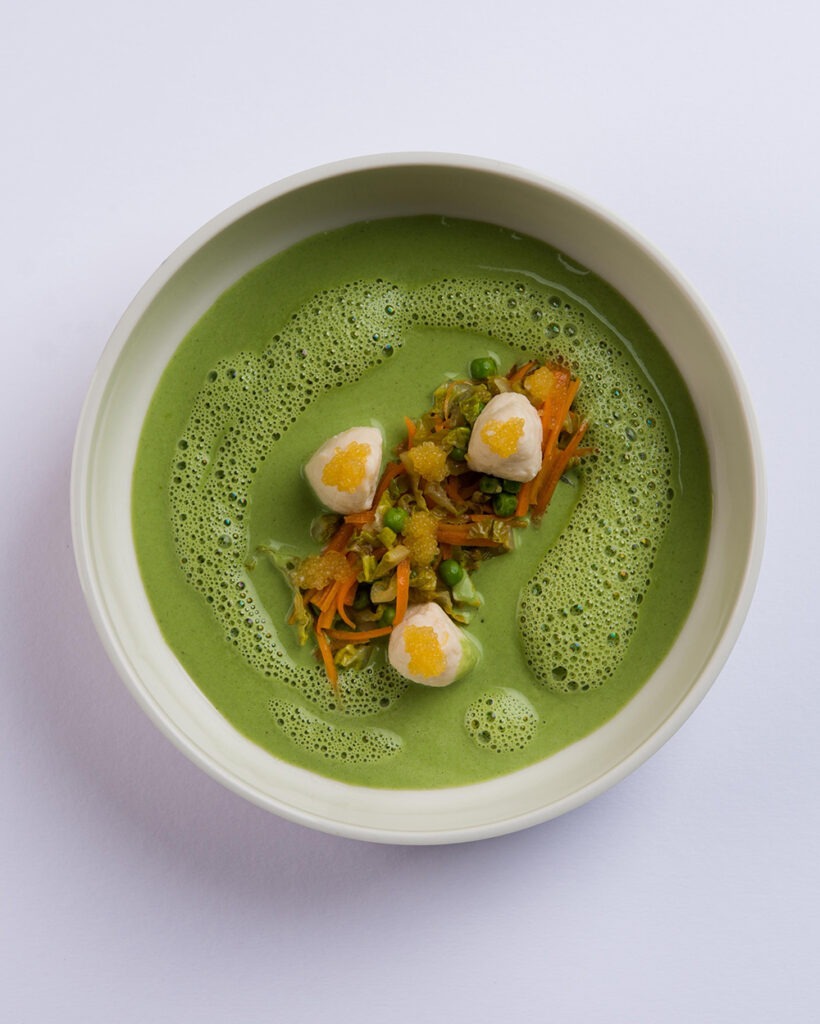
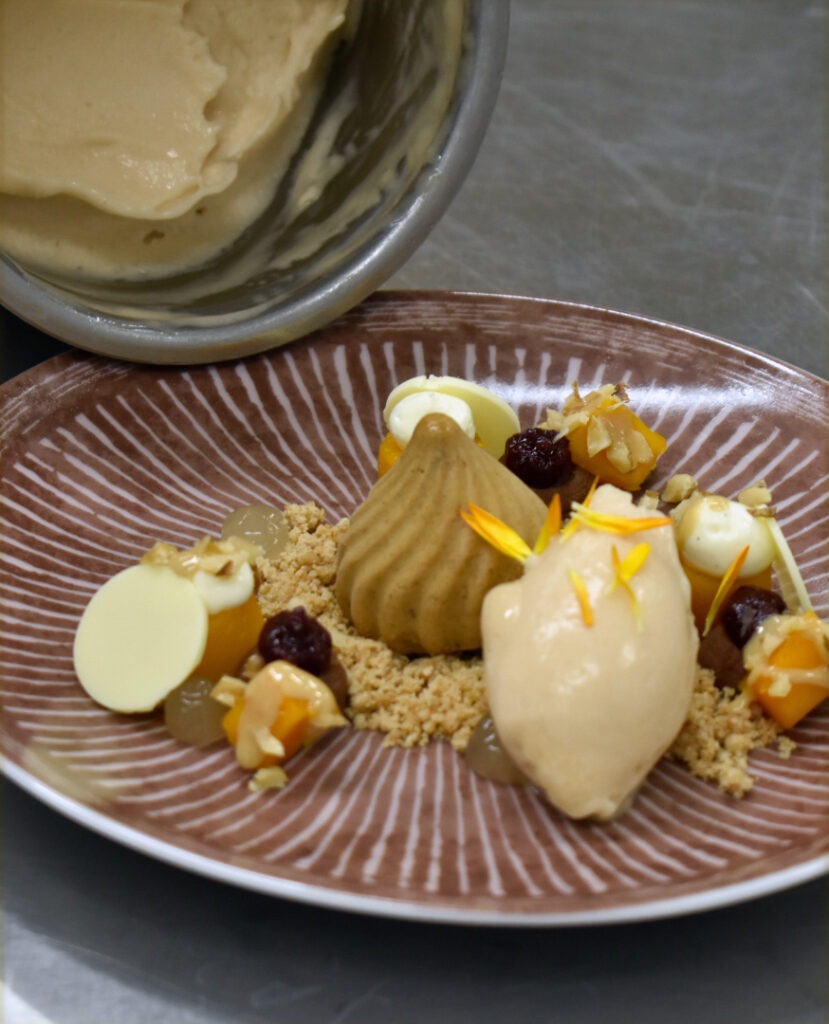
Images sourced from Pacojet Instagram
What Kitchens Actually Want to Know
At a practical level, the value comes down to workflow efficiency and cost control. For operators, the benefits are immediate:
- Guaranteed Consistency: Produces identical results regardless of the operator.
- Advanced Prep: Build a frozen inventory and process only what is needed per service.
- Increased Yield: Expands volume and extracts maximum flavor without raising ingredient costs.
- Labor Reduction: Eliminates repetitive tasks like manual sieving and straining.
- Automated Maintenance: Display guided cleaning sanitizes the machine at the press of a button.
Where the Cost Case Becomes Clear
The return on investment is often realized within the first year. Producing premium items in house significantly reduces unit costs. Combined with reduced labor, improved yield, and lower food waste, the financial impact is undeniable.
Beyond the Kitchen
Thanks to a quieter motor and compact design, the system is no longer limited to the back of house. Bartenders and baristas are now using it for frozen cocktails and textured signature drinks, ensuring the equipment generates revenue across the entire venue.
Local support and availability
For South African operators, access to equipment is only part of the equation. Ongoing support, servicing and product availability are equally critical in a high-pressure kitchen environment.
The Culinary Equipment Company distributes the Pacojet 4 locally as the authorised distributor and service partner in South Africa. This ensures access to technical support, parts and after-sales service within the local market.
Culinary Equipment Company
Unit 1, Lanseria Centre, Pelindaba Rd (R512), Lanseria, Gauteng
+27 (011) 701 2200
After-hours support: +27 (076) 701 3333
www.culinary.co.za
What 30 Years of Pacojet Actually Means in the Kitchen
-
Limitless creativity and diversity Build unique dishes by transforming familiar ingredients into new textures and formats
-
Sustainable, cost-effective production Reduce waste by using the full ingredient, including fruit peel and vegetable stems, with no excess production
-
Consistent, high-impact flavour Preserve aroma, colour and structure, with results that can be reproduced at the push of a button
-
Efficient workflows Eliminate time-intensive tasks such as peeling, sieving and repeated blending
-
Flexibility in service Prepare in advance, freeze, and process on demand with no compromise on quality
-
Profitable investment Reduce labour, improve yield and minimise waste, with potential return on investment within months
The Pacojet no longer defines itself by what it produces; it defines itself by what it removes.
- It removes pressure from prep.
- It removes inconsistency from service.
- It removes waste from the system.
And in doing so, it changes how kitchens think about time, labour and product.
Leave a comment