
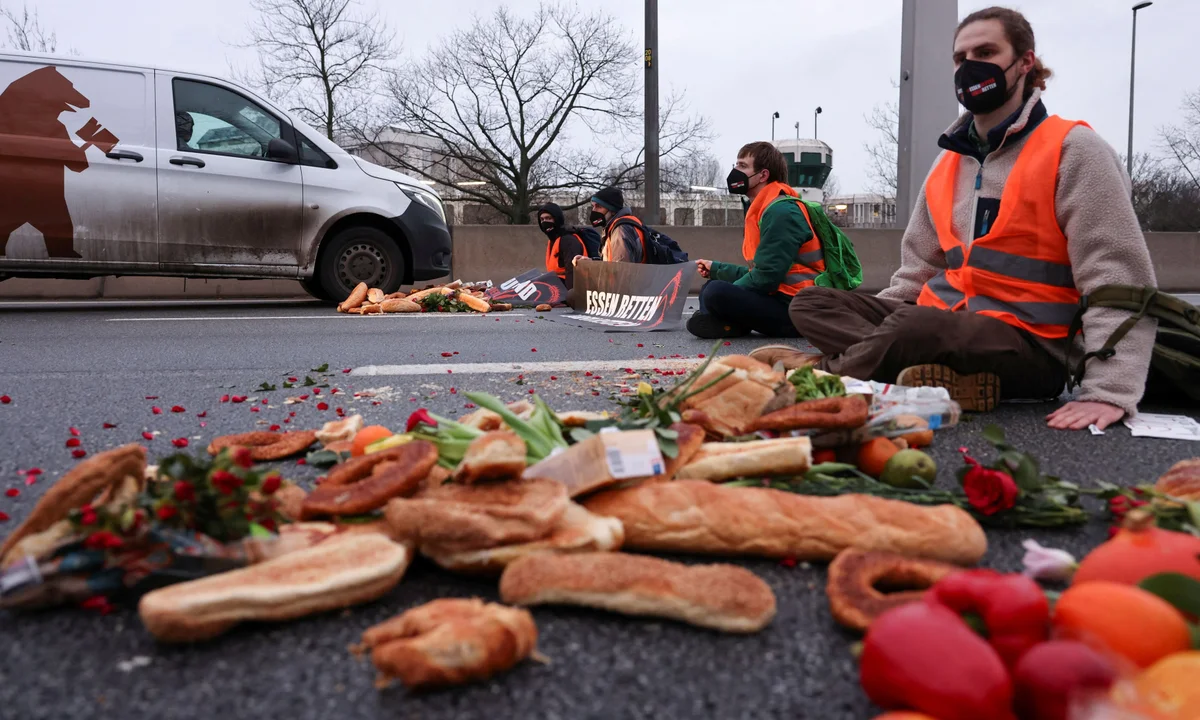
The global food waste crisis has reached alarming levels. It is now impossible to ignore. Food waste continues to grow worldwide.
27 March 2026 – Food waste has been a concern for years. Today, its scale is becoming impossible to overlook.
According to the United Nations, around 14% of food produced is lost between harvest and retail, while an estimated 19% is wasted in households, the food service industry and retail combined. This equates to nearly one-third of all food produced for human consumption worldwide, and is an unacceptable statistic when 363 million people are at risk of acute hunger in 2026. Furthermore, food waste poses a threat to the environment, contributing between 8-10% of all greenhouse gas emissions – this is significantly higher than emissions from the aviation sector.
The Impact of the Global Food Waste Crisis on Society and Environment
Closer to home, South Africa is also facing its own challenges with food waste. Estimates indicate that the country wastes around 10 million tonnes of food every year – highlighting the inefficiency across the value chain from production through retail and in households.
Reducing food waste must be a priority. It is essential for the environment, the economy, and society.
“Food waste represents a critical missed opportunity—not only in lost resources, but also in how we manage waste as an integrated system,” says Shoba Govender, Commercial Director at Interwaste. “
This year’s theme for International Day of Zero Waste: Food waste highlights the need for scalable solutions that treat waste as a recoverable resource.”
Solutions to Tackle the Global Food Waste Crisis
Waste management is changing. People are starting to see food waste differently. It is no longer just something to discard. It can now be repurposed and recovered in meaningful ways.
Interwaste, a leading waste management company in South Africa, supports businesses and municipalities. It provides solutions for food waste and other waste streams. These include general waste, recyclables like paper, plastics, and glass, and even hazardous materials.
Its strategies help divert food waste from landfills. This reduces methane emissions. It also creates value through composting, anaerobic digestion, and animal feed production.
Key Strategies to Reduce Food Waste
Reducing food waste requires action across the entire value chain. Here are key strategies:
- Prevention first: Improve inventory management and demand forecasting. Raise consumer awareness. Use AI and waste tracking tools to analyze waste and adjust purchasing.
- Separation at source: Support recycling and recovery efforts.
- Circular solutions: Convert food waste into compost, biogas, and soil enhancers.
- Partnerships: Encourage collaboration between industries, governments, and communities.

Changing Behaviour to Combat the Crisis
Behaviour change is just as important as systems and infrastructure. Businesses and households both play a role.
Simple actions can make a big difference. Plan meals carefully. Prepare the right portion sizes. Store food properly to avoid spoilage. Share surplus food with those in need.
“Achieving zero waste is not about eliminating waste overnight,” adds Govender. “It is about rethinking how we design, use, and recover resources. By embracing circularity, we can turn food waste into an opportunity for sustainability and economic resilience.”
As the world marks International Day of Zero Waste on 30 March, Interwaste urges action. Businesses, policymakers, and individuals must take responsibility. Reducing food waste is one of the fastest ways to address climate change. It also improves food security and supports a sustainable future. The global food waste crisis requires urgent action. Addressing it can bring major benefits for people and the planet.

Leave a comment