
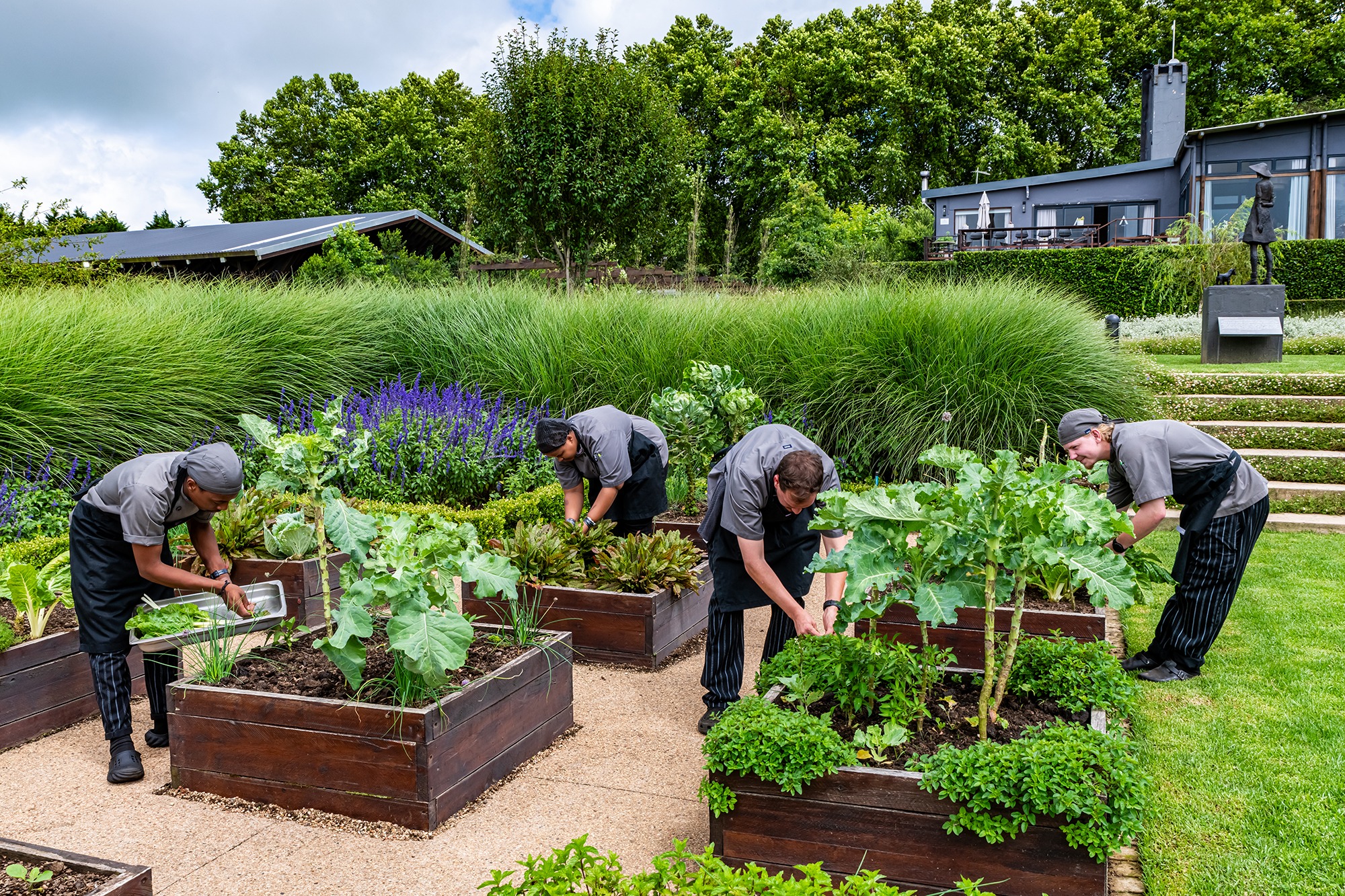
Creating a Zero-Waste Zone kitchen is becoming more important than ever. In most homes, the kitchen is where good intentions quietly go to waste. A bag of spinach forgotten at the back of the fridge. Leftovers that never get eaten. Vegetable peels and scraps that go straight into the bin without a second thought.
It adds up quickly.
With food prices rising and increased pressure on resources like water and energy, reducing what we throw away is becoming as much of a practical priority as an environmental one.
At Brahman Hills in the KwaZulu-Natal Midlands, sustainability has always been part of the bigger vision. As a destination shaped by nature and rooted in environmental stewardship, the team began rethinking its own kitchens several years ago as part of a broader commitment to reducing waste and taking care of the earth.
“When you operate at scale, you quickly see waste. Once you notice how much gets thrown away, you can’t ignore it—especially when you’re building a business with the next 100 years in mind,” says Onwaba Gonyora.
Over time, the award-winning destination introduced several simple practices in its kitchens to reduce waste and use resources more effectively.
“Our approach isn’t complicated, but it is intentional. Most people don’t think twice about what they throw away, but when you start paying attention, you realise how much you could use differently. Change doesn’t come from doing everything perfectly. It comes from making a few better decisions every day,” she says.


Practical Ways to Create a Zero-Waste Zone Kitchen
1. Use More of What You Already Have
A lot of kitchen waste happens simply because we lose track of what we already have. At home, it can be as simple as planning meals around ingredients that need to be used first. Choose versatile ingredients like butternut that can be roasted, blended into soup, or used in fillings. Give leftovers a second life in a new meal instead of letting them go to waste.
2. Be Mindful About What You Bring Into Your Kitchen
A lot of kitchen waste starts before cooking even begins. Buying too much without a plan, choosing heavily packaged products, or overestimating what you’ll use in a week can all lead to waste.
3. Start a Vegetable Garden
Even a small vegetable garden can make a difference. It allows you to pick only what you need for a meal. This naturally cuts down on waste and encourages a more thoughtful way of cooking. You can even regrow vegetables like potatoes, onions, and celery from scraps.
4. Store Food in a Way That Helps You Use It
Food often goes to waste because it’s “out of sight, so out of mind”. Keep perishable items where you can see them. Store food properly, and use your freezer for anything you’re not going to use straight away.
5. Reuse Instead of Throwing Away
Reducing waste often comes down to using what you already have more effectively. Vegetable peels and scraps can be used for stock. Leftovers can be frozen for another day. If space allows, composting is another practical way to reduce waste while feeding your garden.
The same principle applies to meat and chicken. Rather than using only prime cuts, use the whole animal where possible. Nose-to-tail cooking helps ensure that more of each ingredient is used with intention, from bones for broths and stocks to other cuts for hearty meals or pie fillings.
Building a Zero-Waste Zone kitchen does not require a complete lifestyle overhaul. It starts with awareness, small changes, and consistent habits.
“How we live today shapes the world we leave behind. If we want this earth to still provide for our children’s children, then we need to safeguard it now. That doesn’t always require big gestures. Often, it starts with something as simple as being more mindful in our own kitchens and choosing to support businesses that are doing the same,” Gonyora concludes.

To visit Brahman Hills and enjoy farm-to-fork food from its zero-waste kitchen, while seeing first-hand how The Serenity Garden is coming to life, go to: https://www.brahmanhills.co.