
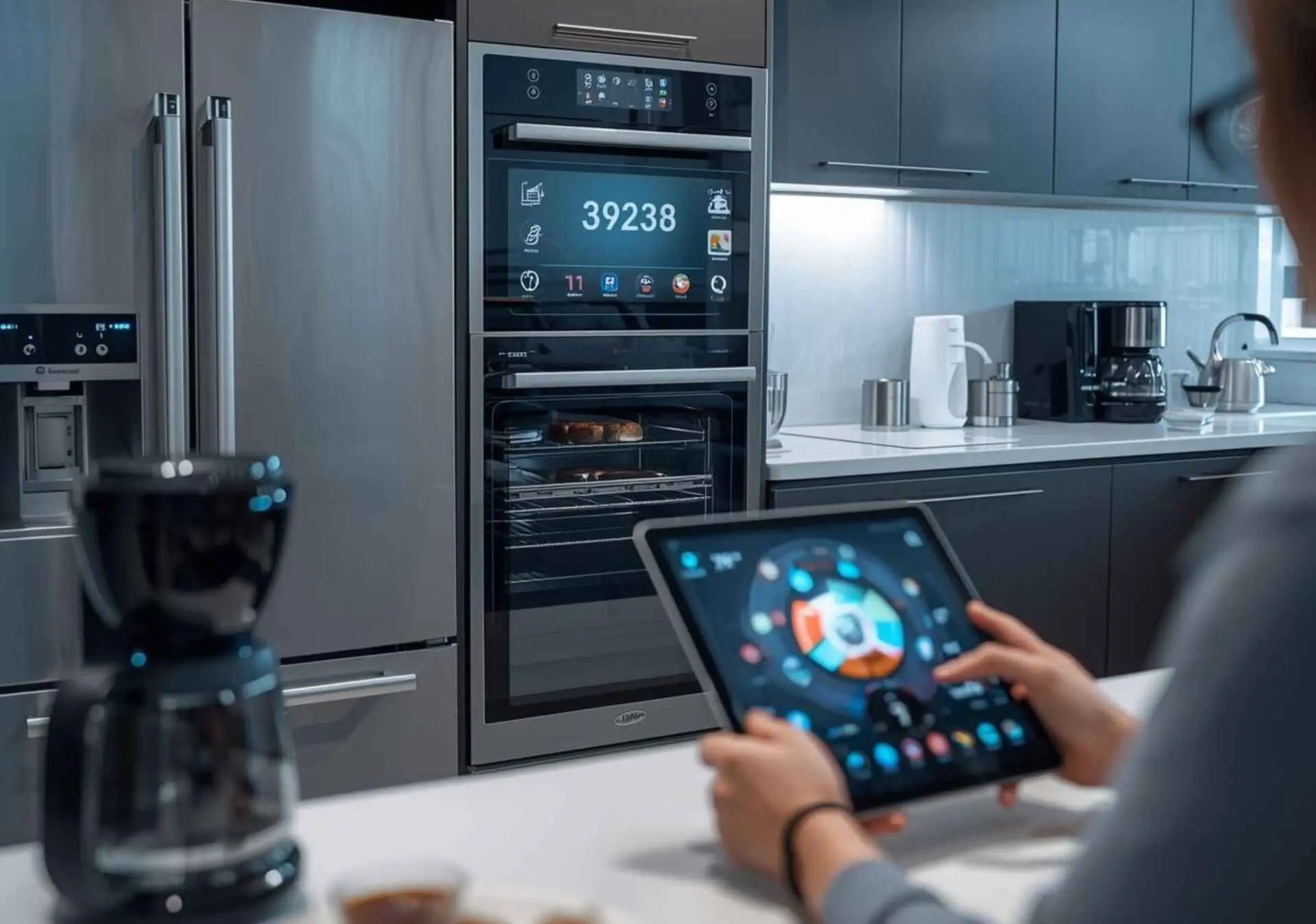
The 2026 Kitchen Hardware Forecast shows that commercial kitchens are rapidly evolving into resilient, utility-efficient environments designed to survive grid instability, water restrictions, and labour shortages. In modern hospitality operations, equipment is no longer just a tool for cooking. It has become critical infrastructure.
Operators following the 2026 Kitchen Hardware Forecast are prioritising equipment that reduces electricity consumption, automates labour intensive tasks, and protects food safety during power outages. The next generation of kitchen hardware is designed specifically to keep operations running even when the municipal grid fails.
The Utility Defence Strategy in the 2026 Kitchen Hardware Forecast
Relying on outdated kitchen hardware is a massive operational liability. With unpredictable grid instability and municipal water shedding, executive chefs must view their heavy equipment as vital infrastructure. Modern commercial kitchen equipment is engineered to be a defensive asset against utility failure. It is designed specifically to slash amp draw, recycle internal water, and automate heavy labour. Operators must evaluate new hardware based entirely on its ability to keep the kitchen running when the municipal grid collapses.
Algorithmic Cooking: Multi-Functional Combi Ovens
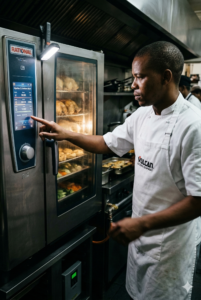
The traditional oven and flat top grill are being rapidly replaced by algorithmic combi ovens. These units use highly advanced sensors to detect the exact size, load, and condition of the raw product. The internal computer automatically adjusts the temperature, moisture, and airspeed throughout the cooking cycle, allowing a single line cook to execute the work of three staff members.
Globally, massive ghost kitchen operators like CloudKitchens rely on Rational combi ovens to execute multiple different menus simultaneously without flavour transfer. This allows them to run high volume output with a fraction of the traditional kitchen brigade.
Here at home, Vulcan Catering Equipment distributes these high tech units to the trade. To combat load shedding, South African operators are specifying gas powered variants. The heavy heating element runs entirely on liquid petroleum gas, while the digital brain and internal fans draw an incredibly low amperage. This allows the automated oven to run flawlessly off a standard solar inverter during a blackout.
Automated Oil Micro Filtration
Manually draining, cleaning, and filtering deep fryers is dangerous and incredibly labour intensive. The global hardware trend has shifted toward automated micro filtration systems that clean the oil at a microscopic level while it is still hot, completely removing the manual labour from the scullery team.
International quick service titans like Burger King deploy automated oil filtration to standardise the taste of their chips globally. By removing carbonised particles automatically, these systems drastically extend the usable life of the frying oil and keep staff focused on service rather than cleaning.
VITO South Africa is leading this exact charge locally with drop in filtration units. These portable machines are placed directly into the hot fryer vat. Because the automated filtration cycle takes exactly four and a half minutes to complete, it easily bypasses load shedding schedules. A kitchen team can filter their vats during brief windows of grid power without disrupting the shift.
Continuous Compliance in the 2026 Kitchen Hardware Forecast
IoT HACCP and Temperature Probes
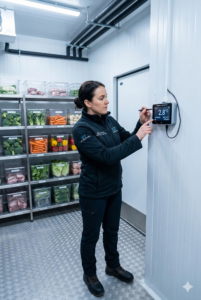
Paper based temperature logs are highly susceptible to human error and completely useless when a cold room compressor fails at midnight. The hardware standard has moved to the Internet of Things, creating a web of connected temperature sensors that monitor the cold chain autonomously without requiring staff intervention.
Global catering giants like Compass Group use continuous IoT monitoring across their hospital and corporate sites. If a walk in freezer drops below a safe holding temperature, the hardware sends an automated SMS to the executive chef, preventing massive stock loss.
Testo South Africa provides these automated WiFi data loggers to the local hospitality sector. To survive the local power grid, these specific sensors feature internal backup batteries and massive local storage. If a restaurant loses power and the WiFi router drops, the Testo logger continues measuring the temperature. The second the network is restored, it pushes the backlog of data to the cloud, ensuring total HACCP compliance with zero data gaps.
Closing the Loop: Energy Recovering Dishwashers
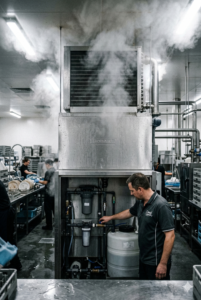
The scullery is the single largest consumer of water and electricity in a hospitality venue. Traditional dishwashers dump boiling hot water straight down the drain and vent massive amounts of steam into the kitchen exhaust. Next generation ware washing hardware uses heat exchange technology to capture that exact steam and use it to pre heat the incoming cold water.
Hotel conglomerates like Marriott International deploy Hobart flight type dishwashers across their large banqueting properties. This specific engineering reduces energy consumption by twenty percent and dramatically lowers the ambient heat in the kitchen.
Locally, Lead Laundry and Catering installs these advanced Hobart systems across South Africa. Crucially for regions facing severe water restrictions, these machines filter and recycle their own rinse water for the next wash cycle. This closed loop architecture slashes fresh water consumption by up to fifty percent, allowing venues to continue operating efficiently during municipal water cuts.
Future Proofing the Cold Room: CO2 Refrigeration
Synthetic chemical refrigerants are being aggressively phased out globally due to incoming environmental legislation. The commercial refrigeration market is pivoting hard toward R744, which is naturally occurring Carbon Dioxide. CO2 systems are highly energy efficient and offer vastly superior heat recovery capabilities.
Supermarket heavyweights like Tesco and Aldi have completely standardised transcritical CO2 refrigeration across their global footprints. The massive amount of heat generated by the CO2 compressors is captured and piped back into the building to provide free hot water for the bathrooms.
Commercial Refrigeration Services is executing this complex CO2 technology right here in South Africa. To protect perishable stock during extended grid failures, these modern refrigeration racks are integrated with eutectic holdover plates. These act as massive thermal batteries inside the cold room. They freeze solid while the grid is on and slowly release deep cold when the power drops, keeping the room perfectly safe for up to twelve hours without a generator running.
The Bottom Line
The 2026 Kitchen Hardware Forecast makes one thing clear. Upgrading your heavy iron pays for itself rapidly in guaranteed water, electricity, and labour savings.
Take your most recent municipal utility bill directly to the heavy equipment suppliers. Sit down with them and ask them to calculate your exact potential monthly savings based on their utility reducing hardware.
For hospitality operators planning future investments, the 2026 Kitchen Hardware Forecast highlights one reality. Resilient kitchens will be built on energy-efficient, automated, and utility-resilient equipment.
Industry professionals can stay updated with similar developments through Hospitality Marketplace hospitality news. It tracks innovation across the hospitality sector.

Leave a comment