

The Billion Rand Engine

Small, medium, and micro enterprises are no longer peripheral players in the South African economy. They are an increasingly influential force in employment, innovation, and sector resilience. Tourism and hospitality remain major contributors to national economic activity, supporting well over a million jobs across the value chain.
As recovery and growth continue into the next decade, procurement strategies will play a decisive role in determining who participates in that growth. If your sourcing model excludes the SMME sector entirely, you may be overlooking one of the most agile and adaptive components of the local supply ecosystem.
The importance of strengthening local supply ecosystems is also explored in Hospitality as a Catalyst for Accelerating Localisation in South Africa.
The Corporate Pivot to Agility
Large hospitality groups and institutional caterers are reassessing concentration risk in their supply chains. Reliance solely on national distributors or single source suppliers is increasingly being re-evaluated in favour of diversified procurement models. While scale remains essential for consistency, agility is becoming equally valuable in volatile operating environments.
Smaller suppliers often offer:
- Shorter innovation cycles.
- Greater production flexibility.
- Faster product customisation.
- Closer geographic proximity.
Industry insights around supplier discovery and procurement evolution are also discussed in Inside Hostex 2026: What Has Changed and What Matters.
The ROI of Local Sourcing

Strategic engagement with smaller enterprises can significantly strengthen your operational resilience. This is not about replacing established distributors. It is about reducing overexposure to any single supply channel.
- Geographic Flexibility: Local suppliers may be able to respond more rapidly to regional logistics disruptions or shifting demand patterns.
- Product Differentiation: Smaller producers frequently develop niche or small batch products that allow venues to offer distinctive menu experiences rather than standardised national brands. Many of these supplier discovery opportunities take place at major industry trade events such as Hostex 2026: 40 Years of Opening Doors – and the Biggest Show Yet.
- Scorecard Considerations: For measured entities, preferential procurement frameworks heavily influence supplier selection and scoring. Engaging qualifying local suppliers can contribute positively to procurement scorecards while broadening supply diversity.
Overcoming the Scale Barrier
The friction between corporate buyers and small suppliers is not philosophical. It is entirely structural. Large buyers often operate on extended payment cycles and strict compliance protocols. Smaller enterprises frequently face working capital constraints and limited administrative capacity. This mismatch can prevent otherwise strong products from entering formal supply chains.
Operational discipline in supplier onboarding should be supported by strong internal processes similar to those outlined in hospitality procurement control systems, helping ensure that new suppliers meet required standards before integration.
The Hostex SMME Pavilion: Structured Exposure
The Hostex 2026 SMME Pavilion is positioned as a platform designed to improve visibility between corporate buyers and emerging suppliers. Rather than functioning as a symbolic showcase, the pavilion aims to present commercially prepared enterprises ready for serious procurement conversations. The focus includes black owned, women owned, and township based businesses aligned with broader economic transformation objectives.
The initiative is highlighted in Hostex 2026 Opens New Doors for Small Businesses with Revamped SMME Pavilion, which explores how the pavilion is designed to connect emerging suppliers with procurement decision-makers.
While corporate buyers must still conduct their own due diligence, the pavilion offers a consolidated environment to evaluate product readiness, packaging standards, and production capacity in one space. It reduces discovery friction, but it does not eliminate your procurement responsibility.
Ready for Commercial Engagement
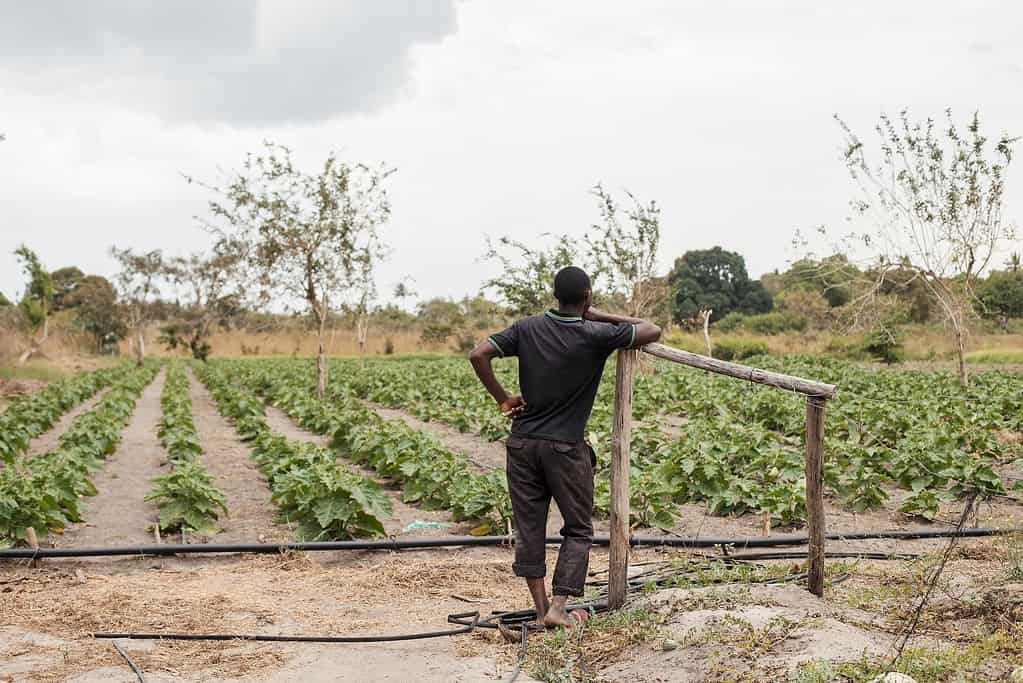
For procurement directors and executive chefs, early engagement with emerging suppliers can create a massive competitive advantage. Scale and agility do not need to compete. They can complement each other perfectly within a diversified sourcing strategy.
Identifying a promising local producer before they secure national distribution allows venues to:
- Differentiate their core offering.
- Strengthen local supplier relationships.
- Build future proofed procurement pipelines.
Visitors preparing their event strategy can also explore The Industry Hub: The Ultimate 72-Hour Visitor Playbook.
The Bottom Line
Supply chain resilience in 2026 is not defined solely by size, but by balance. The most forward thinking procurement strategies combine the stability of established distributors with the adaptability of local SMMEs.
Your Procurement Action Plan:
When attending Hostex, allocate intentional time to evaluate emerging suppliers alongside major distributors by asking these structured questions:
- What is your exact production capacity?
- What are your mandatory payment term requirements?
- What compliance certifications do you currently hold?
- Can you efficiently scale regionally or nationally?


Leave a comment