

Trust, But Verify: Receiving Rules highlights why receiving is one of the most critical control points in hospitality operations.
The Backdoor Shrinkage Threat
In the high pressure ecosystem of a hotel, resort, or high volume restaurant, the back door is one of the most overlooked points of operational vulnerability. While front of house teams focus on the guest experience, food safety and profitability are often won or lost at the receiving bay.
Backdoor shrinkage and cold chain failures remain a persistent operational risk in South African conditions. A delivery vehicle compromised by inconsistent refrigeration or heavy traffic delays can significantly impact product integrity before goods even enter your storeroom. Receiving is not administrative. It is a frontline control point.
The Cold Chain Mechanics
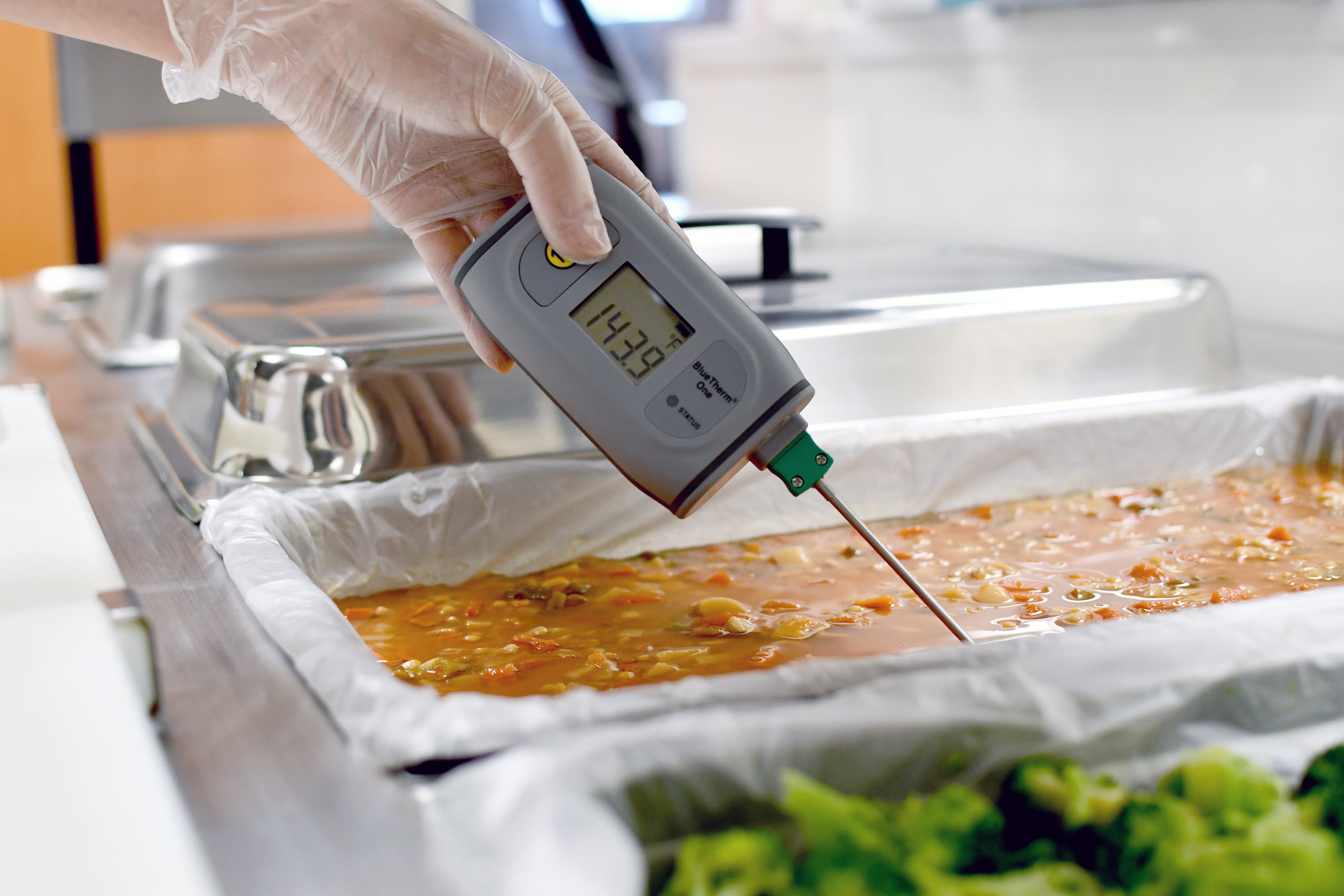
Trusting suppliers is necessary, but verifying their performance is essential. Procurement managers, executive chefs, and stock controllers must enforce structured receiving protocols to protect margin and food safety. The primary objective is to maintain cold chain integrity without compromising critical temperature limits. Deliveries should move into appropriate storage as quickly as possible to minimise temperature exposure time on the dock.
- Chilled Goods: Should arrive at 5 degrees Celsius or below, verified with a calibrated probe thermometer when appropriate.
- Frozen Goods: Should be maintained at -18 degrees Celsius or below, with no visible evidence of thawing, refreezing, ice crystals, or softened texture.
- Dry Goods: Must be transported in clean, dry vehicles protected from excessive heat, moisture, and direct sunlight. Packaging should be intact and free from humidity damage.
For example, maintaining an uninterrupted cold chain is essential for product quality and shelf life, as highlighted in the article Farmed Fish which explains how seafood suppliers maintain strict cold chain handling from harvest to kitchen.
The S.T.A.M.P. Visual Audit
Before signing off any delivery, receiving teams should verify goods against five visual inspection pillars. This sensory audit complements temperature verification and strengthens your HACCP control point at receiving.
- Seals: Are vacuum packs tight? Are tamper evident seals intact on oils, dry goods, and bulk items?
- Texture: Is protein firm and resilient? Are fresh vegetables crisp and properly hydrated?
- Aroma: Is there a clean, neutral scent? Reject products with sour, ammonia, or otherwise off odours.
- Moisture: Inspect for weeping in meat packaging or soggy cartons in dry stock, both of which may indicate temperature abuse.
- Pests: Check crates, pallet corners, and packaging for any signs of infestation or contamination.
The Administrative Lock
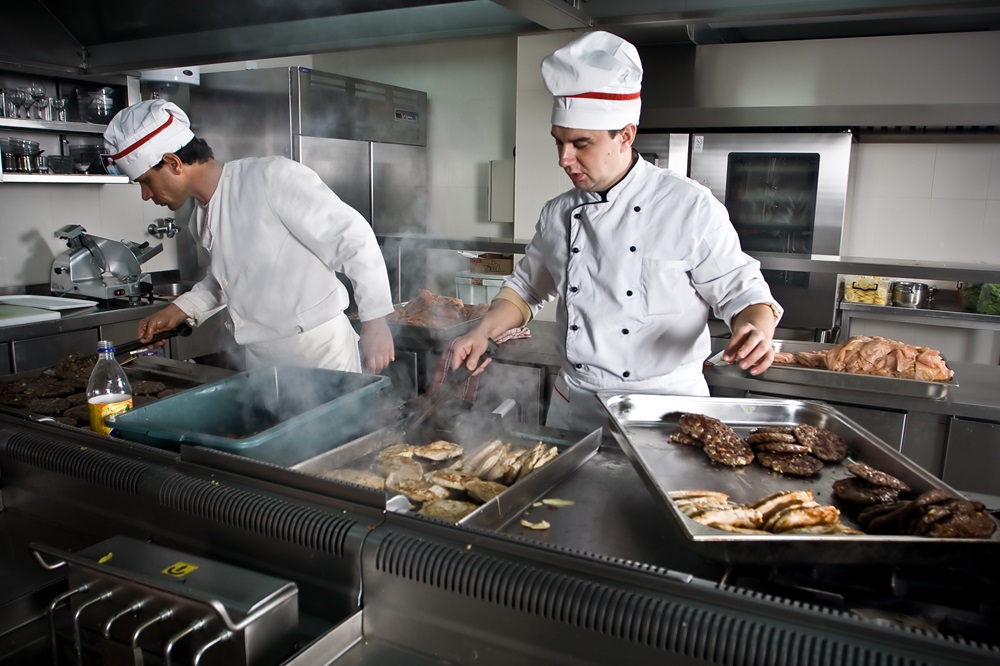
The final layer of protection is documentation and traceability.
- Weight Verification: Implement random weight checks on high value items such as premium cuts, seafood, spices, and specialty imports to reduce shrinkage risk.
- Code Matching: Confirm that the SKU and product description on the physical goods match the supplier invoice exactly before acceptance.
- Date Labelling: All received products should be clearly date labelled according to your operation’s traceability policy before entering storage. This may include received date, use by date, or internal rotation coding.
- Temperature Logs: Record receiving temperatures for chilled and frozen goods, especially for high risk items.
- Rejection Documentation: Maintain a formal rejection log for any goods refused due to temperature deviation, quality failure, or damage. This protects your business during supplier disputes and health inspections.
- Thermometer Calibration: Ensure probe thermometers are regularly calibrated and documented to maintain accuracy and audit compliance.
Operational control at every stage of the hospitality business is essential, similar to the cost control and risk management challenges discussed in The Liquid Margin War: Why Fragmented Tech Costs More Than OTA Commissions, which explores hidden operational risks that can erode profitability in hospitality operations.
The Bottom Line
Margins in hospitality are protected long before a plate reaches the pass. Accepting temperature deviations, incomplete paperwork, or compromised packaging introduces avoidable risk into your operation. Receiving is not a courtesy checkpoint. It is a formal control gate.
Your Action Plan:
Instruct your Executive Chef and receiving team to tear this exact page out of the magazine right now and staple it directly to the receiving clipboard to enforce these standards every single morning.


Leave a comment