

Fire has always been part of the South African culinary identity, but in a professional kitchen it is not nostalgia — it is discipline. It demands precision, consistency, and vision. As Heritage Day approaches, chefs have the chance to take a national ritual and interpret it in ways that both respect tradition and push culinary boundaries.
Rethinking Fire as a Culinary Medium 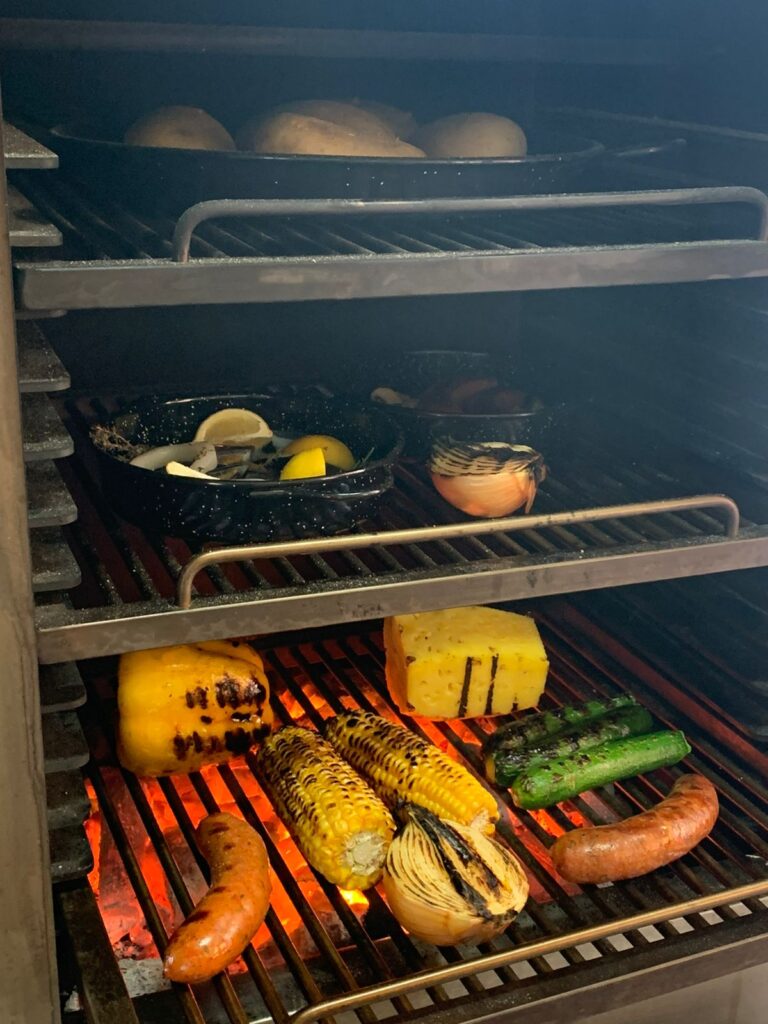
Charcoal and wood-fire ovens don’t simply replicate a braai; they redefine it. These systems allow chefs to manipulate radiant heat, convection, and smoke in controlled layers. Fire becomes a medium for caramelisation, micro-smoke infusion, and textural contrast — transformations no electric plate can achieve.
Coal vs. Wood: Different Fuels, Different Outcomes
Though often used interchangeably, coal and wood behave very differently in a professional setting.
- Charcoal delivers steady, high heat with less smoke, making it ideal for precision searing and service flow. It gives chefs control, consistency, and predictable heat zones across the grill.
- Wood burns hotter but with more variability, offering layers of aroma that depend on species — rooikrans, oak, or fruitwoods can each impart distinct flavour signatures. It is best suited to dishes where smoke and character are part of the story.
The most effective kitchens often stage both: charcoal for baseline control, wood added selectively to layer depth and heritage flavour.
Beyond the Braai
South African diners expect the comfort of coal-fired flavour, but heritage can also be reframed. Consider:
- Coal-roasted roots and grains as a foundation for contemporary plating.
- Fire-finished oils or butters to carry smokiness across multiple components.
- Slow grilling over live coals and wood for large-format proteins that speak of abundance and community.
These approaches elevate the braai from backyard ritual to fine-dining narrative.
Operational Integration 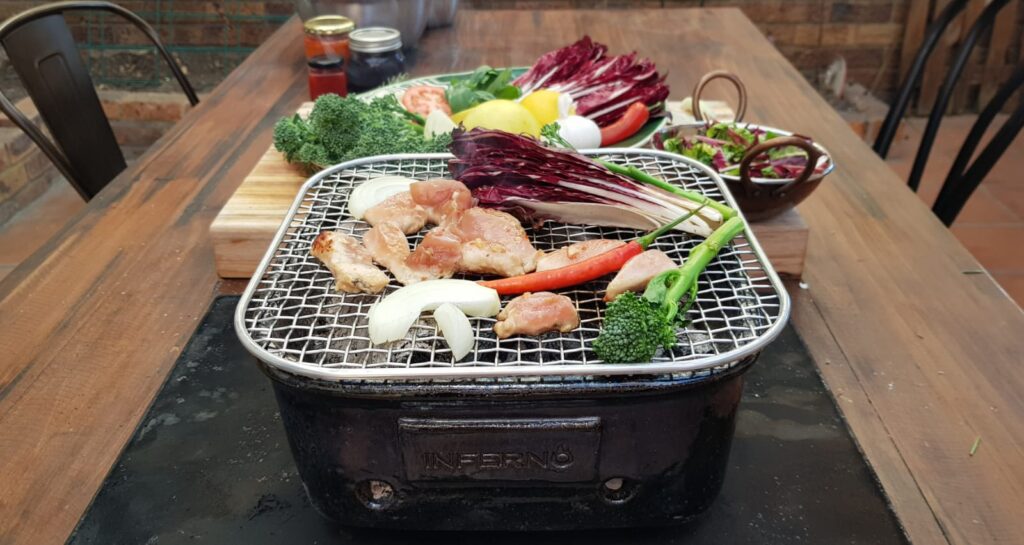
Open fire is theatre, but it must never compromise the pass. Leading chefs integrate fire stations into kitchen flow with clear roles: a dedicated grill chef who manages coal staging, airflow, and protein sequencing. Ventilation and extraction are as much a part of mise en place as the coal itself. Menus succeed when fire enhances service rather than disrupts it.
Building Menus Around Fire
Rather than inserting one “braai-inspired” dish for Heritage Day, consider designing an entire menu arc around fire. For example:
- Starter: Coal-blistered seasonal vegetables with a smoked yoghurt base.
- Main: Beef short rib glazed with umqombothi reduction, grilled low and slow over coals and finished with a touch of rooikrans.
- Dessert: Milk tart baked in residual heat, finished with citrus ash.
Here, fire isn’t a gimmick — it’s the through-line.

Leave a comment