

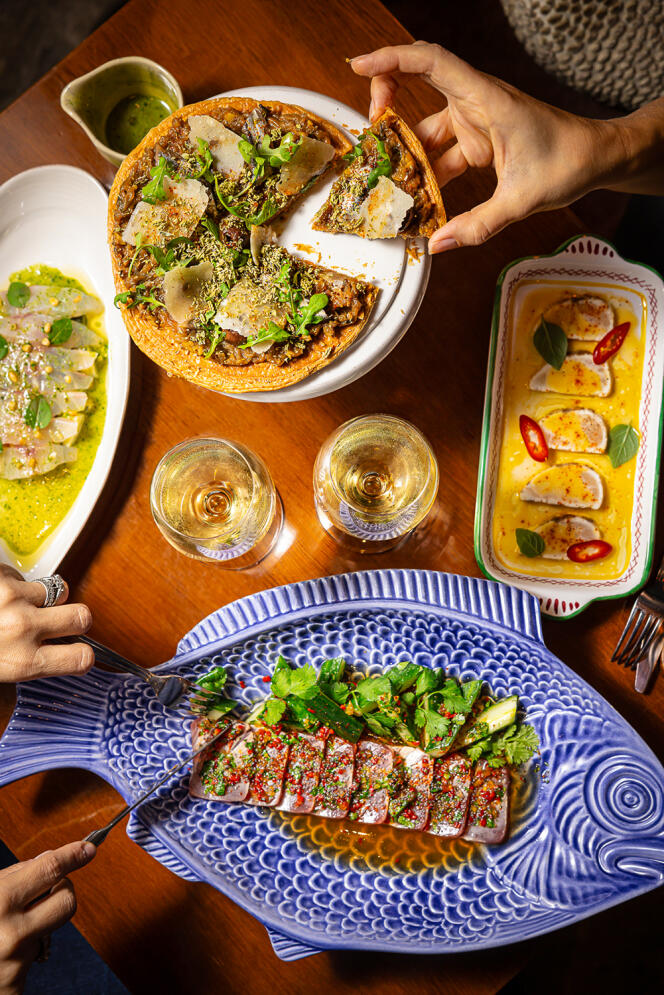
 The Collapse of Three Course Meal dining is quietly transforming how restaurants structure menus, design kitchens, and drive revenue. For decades, hospitality operations followed a rigid dining script: starter, main course, and dessert. That framework shaped everything from menu printing to kitchen workflow.
Today that structure is collapsing. Diners want freedom, pace control, and the ability to explore multiple flavours without committing to a heavy meal. Instead of following a traditional sequence, the modern table grazes.
This shift toward snack-led dining is becoming one of the most powerful trends reshaping hospitality globally. As highlighted in “The State of SA Hospitality: 2026 Macro Industry Trends”, restaurants are already adapting menus and strategies to survive changing guest behaviour and rising costs.
The Structural Collapse
For more than a century, restaurants have been built around a rigid dining script: starter, main course, and dessert. That structure dictated everything from kitchen design to menu printing, but that framework is now quietly collapsing.
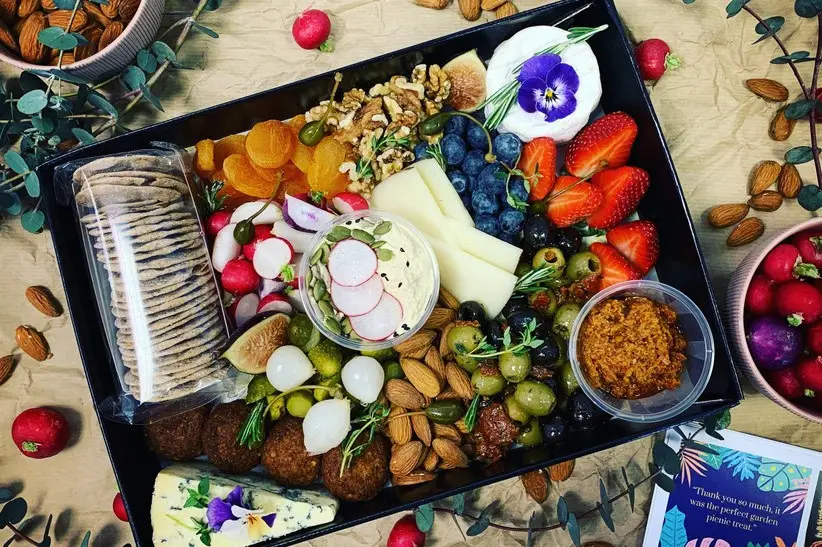
Diners no longer arrive prepared to follow a predetermined sequence. They want freedom, pace control, and the ability to experience a wider range of flavours without committing to a heavy, traditional meal. The modern table does not progress through courses; it grazes.
This shift toward flexible snack-led dining reflects broader hospitality trends discussed in Hostex industry discussions and chef insights, where restaurant concepts and menu innovation are increasingly centred around guest experience and flexibility.
The Rise of the Grazing Economy
The behavioural change is simple but profound. Instead of ordering one large dish, guests increasingly order several smaller plates throughout their visit.
This creates a fluid service rhythm where guests start with a few items, order more as they spot them on the menu, and allow the experience to evolve naturally.
International operators like Dishoom in the United Kingdom and tapas institutions such as Barrafina have capitalised on this for years. The same pattern is now visible across South Africa. Wine bars and chef driven restaurants, such as Culture Wine Bar in Cape Town, demonstrate how diners will spend premium prices on high quality small plates while socialising rather than sitting for a formal multi course dinner. The meal has become modular.
The Hidden Economics of Small Plates
For operators, the grazing economy offers powerful financial advantages.
The psychology of small plates makes it easier to justify multiple orders. A R95 snack feels casual, while a R295 main feels like a commitment.
Tables often order far more food overall as check averages increase through frequency rather than single high-value items.
Smart menu engineering uses tiered pricing to anchor value while driving the average order value upward.
The Baseline (R65 to R95): High margin, low prep items like swicy pickled vegetables or umami heavy corn ribs.
The Premium (R110 to R165): Elevated versions of familiar favourites, such as wagyu beef sliders or lamb shoulder croquettes.
The Loaded Experience (R180+): Shareable formats like charcuterie style boards or loaded fries topped with premium proteins.
The Collapse of Three Course Meal structure allows guests to build their own experience rather than following a fixed dining script.
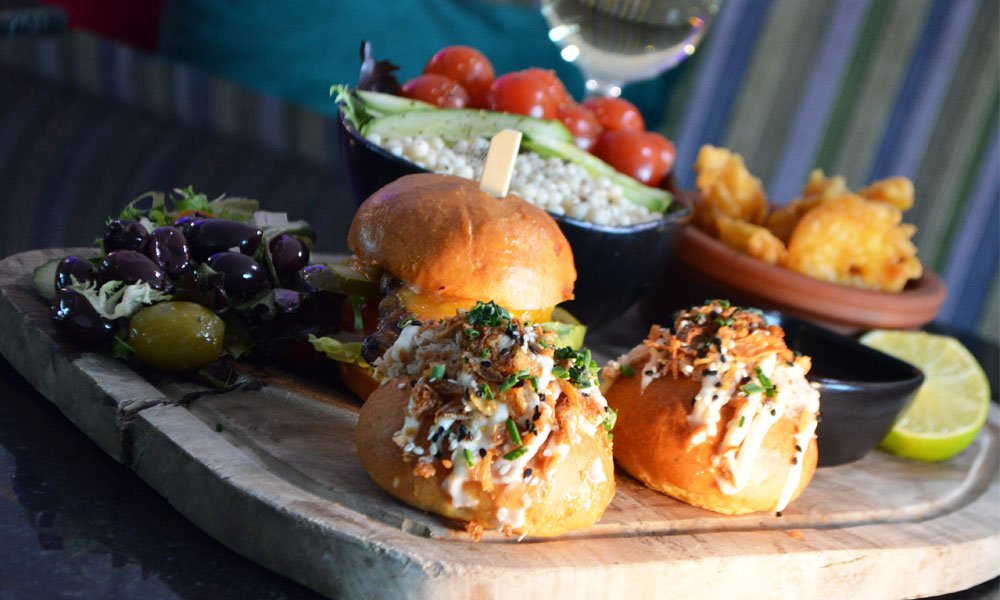
The Kitchen Advantage of the Collapse of Three Course Meal
The trend is equally powerful behind the pass. Snack menus are efficient vehicles for ingredient cross utilisation. Offcuts that previously disappeared into staff meals can become premium dishes. Fillet trimmings become beef tartare on toasted brioche.
Slow braised lamb shoulder becomes croquettes. Roasted vegetable scraps become smoked dips or spreads. Because snack dishes are smaller and tightly portioned, chefs gain greater control over ingredient yield and food cost management. Execution is also faster. Many snack items require minimal finishing, reducing pressure on high heat stations and improving ticket times. In a high volume environment, this dramatically improves kitchen efficiency.
The Bottom Line
The Collapse of Three Course Meal dining proves that the traditional restaurant structure is no longer the default. Winning restaurants are those that design for flexibility, frequency, and shareability. Snacks are not replacing meals. They are replacing structure.
Your Action Plan
Open your menu tomorrow and ask:
- Does it force diners through a traditional sequence, or does it allow them to graze?
- Identify your lowest performing starter and replace it with a high margin snack designed to sell repeatedly throughout the evening.
- In the era of the Collapse of Three Course Meal, the most successful restaurants will design menus around behaviour rather than tradition.