
The Fragmentation Trap
Fragmented Tech Costs are becoming one of the biggest silent profit killers for boutique hotels, self-accommodation providers, and multi-property Airbnb hosts. In 2026, the greatest threat to boutique hotels, self-accommodation providers, and multi-property Airbnb hosts is not electricity or staffing. It is fragmentation. When reservations sit in one system, payments in another, and housekeeping updates happen on WhatsApp, you are not running a business. You are running a reconciliation exercise. Every disconnected platform leaks margin through administrative friction and data silos.
Operators across South Africa are beginning to realise that operational inefficiencies are not just about staffing or occupancy levels, but about technology infrastructure. Industry discussions across platforms continue to highlight how fragmented systems are undermining profitability for independent hotels and guesthouses.
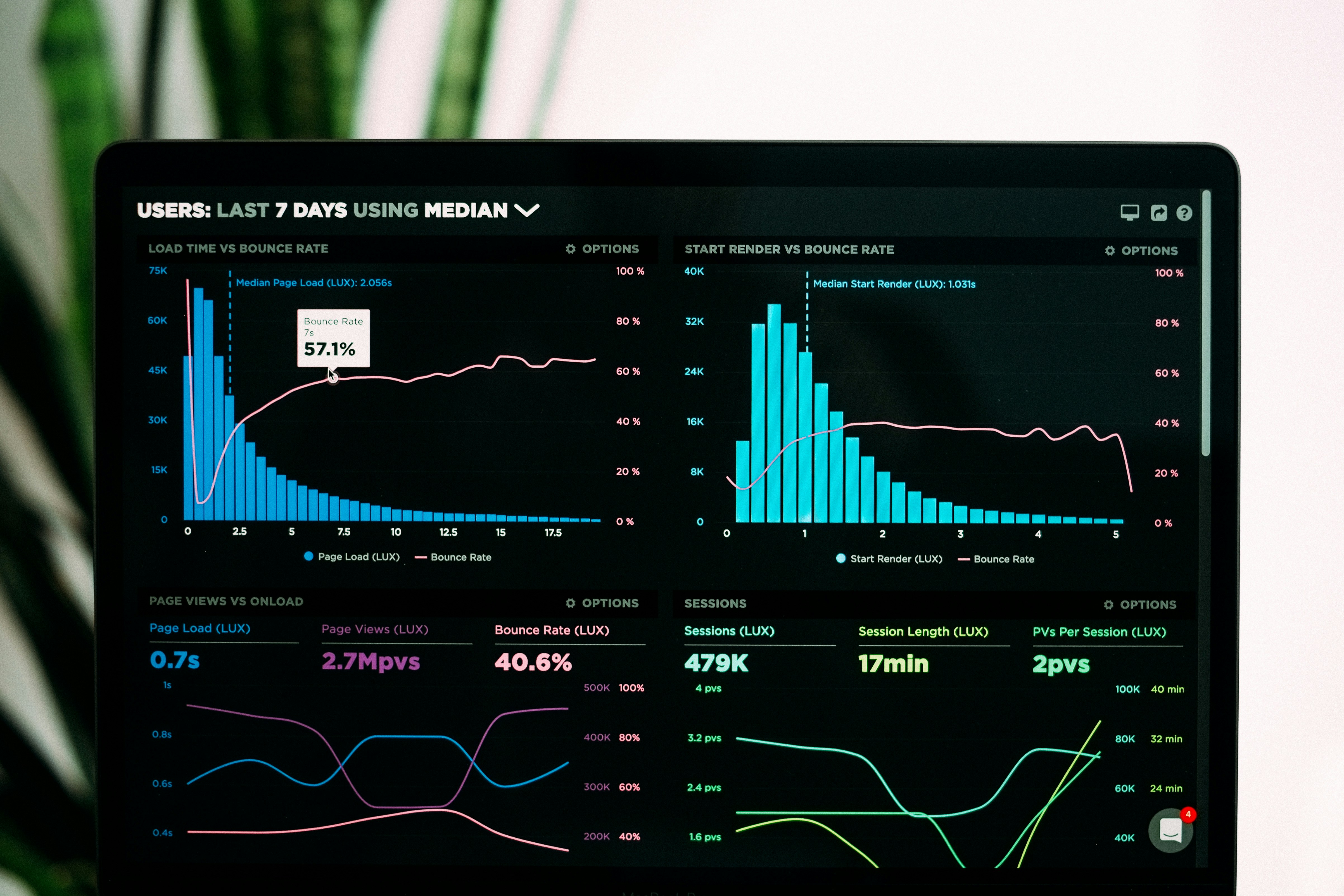
The Fragmentation Trap and the True Fragmented Tech Costs
In 2026, the greatest threat to boutique hotels, self-accommodation providers, and multi property Airbnb hosts is not electricity or staffing. It is fragmentation. When reservations sit in one system, payments in another, and housekeeping updates happen on WhatsApp, you are not running a business. You are running a reconciliation exercise. Every disconnected platform leaks margin through administrative friction and data silos.
Industry experts have repeatedly warned that disconnected systems create operational drag that kills profitability, a challenge discussed in depth in The One-System Collection: A Strategic Blueprint for South Africa’s Independent Hoteliers where integrated technology ecosystems are positioned as the next competitive advantage for independent properties.
The Hidden Cost of Fragmented Systems
South African accommodation operators are often sold entry level tech that solves one problem at a time. A booking tool here, a channel manager there, and a payment plugin bolted on later. Individually, they work, but collectively, they completely exhaust your team. Fragmented stacks create a structural erosion of your margins through:
-
Manual Data Exports: Wasting hours moving numbers between systems for multiple properties.
-
Duplicate Guest Records: Losing the ability to track true guest history across your portfolio.
-
Inconsistent Pricing: Pricing discrepancies across platforms that confuse guests.
-
Delayed Visibility: Financial reporting that is always 48 hours behind reality.

Enterprise Tech for the Smaller Folk: Solving Fragmented Tech Costs
Large hotel groups and international chains operate with massive budgets, deploying seamless, overarching technology stacks to drive revenue. But the smaller folk are usually left behind, forced to pay corporate prices for bloated systems they only use half of.
The competitive edge in 2026 belongs to independent operators who manage their entire portfolio inside one connected environment, exactly like the corporate giants do. Hop Software and its Hop Lite product are built specifically around this principle. It delivers complete enterprise functionality to smaller operators for a single fixed monthly cost with zero hidden extras. Operating from Milnerton in Cape Town, Hop gives you the full, overarching power of a corporate tech stack, including seven day local support, without the crippling price tag.
Taking Back Direct Revenue
Online Travel Agents are powerful, but they are incredibly expensive. Commission rates for smaller portfolios in South Africa can now surpass 40 percent when marketing surcharges and preferred status fees are included. Hop Lite counters this with a commission free booking engine.
When reservations sit in one system and payments in another, you are not running a property. You are running a reconciliation exercise.
This tool integrates directly into your website, allowing guests to book your properties through your own channels without the massive OTA tax. Because it integrates with secure payment systems like Hop Pay, transactions are frictionless. It enables attribute based selling, allowing you to promote upgrades and upsells during the booking journey. Operators can also inject immediate cash flow into their business using the built in gift voucher solution.
Many operators exploring hospitality revenue optimisation strategies often reference the analysis presented in the Industry Focus section on Hospitality Marketplace, where market shifts and technology adoption across accommodation providers are examined.
Eliminating Overbooking and Automating the Floor
Managing multiple listings across various platforms without real time sync invites absolute chaos. Hop provides a real time, two way sync through its channel manager. Crucially for the South African market, connections to Airbnb, Booking.com, Expedia, Google Hotels, and Tripadvisor are included entirely free of charge with Hop Lite. This ensures that when a self-catering unit is sold on Airbnb, your inventory updates across every other platform instantly to prevent double bookings.
The automation extends directly to the guest experience. Hop Lite allows properties to deploy their own branded app and offer contactless check in via mobile or physical kiosk. This is a massive operational advantage for multi property hosts and independent venues that do not operate a 24 hour reception desk. You can then use the integrated CRM to personalise offers and identify high value returning guests. Real time reporting allows owners to track RevPAR and occupancy from anywhere, making data driven decisions instead of guessing.
These broader technology adoption trends are also reflected in The State of SA Hospitality: 2026 Macro Industry Trends which highlights how operational technology is rapidly becoming a competitive differentiator in the sector.

2026 Intelligence
Independent operators report a 23 percent reduction in administrative costs after implementing a cloud based PMS that automates billing. Nationwide RevPAR in South Africa surged 18.4 percent in late 2025, but properties without integrated tech are failing to capture this growth. Direct digital reservations are the fastest growing booking channel in South Africa, expanding at 12.05 percent annually.
The Bottom Line
Unified tech is about protecting the liquid margin that slips away through admin hours and commission heavy dependence. Fragmentation feels manageable until growth exposes it, but integration becomes your absolute competitive advantage.
Your Action Plan
Audit your tech stack this week to identify every manual export and every system that does not speak to the next. Then hopsoftware.co.za shows how Hop Lite can save your team up to three hours of admin a day by consolidating bookings, payments, reporting, and channel management inside one system.
Fragmented Tech Costs are often invisible at first, but eliminating them is one of the most powerful ways independent operators can protect margins and scale efficiently in 2026.