

The South African hospitality sector in 2026 is a tale of two entirely different markets. On one side, local consumer wallets are under unprecedented pressure, turning a simple dinner out into a highly calculated financial decision.
On the other side, coastal hubs are experiencing an unprecedented tsunami of international tourist capital.
Surviving this year requires operators to aggressively manage skyrocketing local supply chain costs while simultaneously capturing high-yield foreign spend. Hope is not a strategy. We need to look at the hard macroeconomic numbers and pivot our daily operations.
2026 Macro Industry Trends: The Biosecurity Crisis and Food Cost
We are no longer just battling standard inflation. The agricultural sector is facing a severe biosecurity crisis that is directly destroying restaurant margins.
The Protein Spike

The recent National State of Disaster regarding Foot and Mouth Disease has sent meat prices into double digits. Beef prices have surged by up to 30 percent year-on-year due to supply chain restrictions and high biosecurity costs.
Menu Engineering
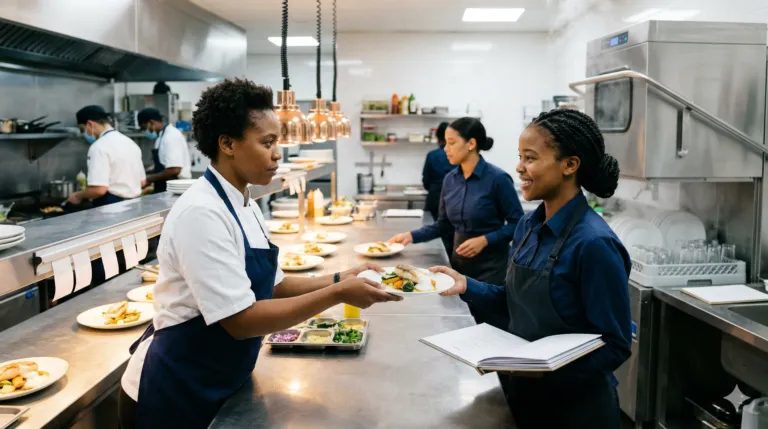
Exec Chefs can no longer rely on premium beef cuts as their primary revenue drivers. Smart operators are shifting their centre-of-plate focus to resilient poultry, premium vegetarian options, and alternative grains to protect their food cost percentages.
2026 Macro Industry Trends: The Tourism Boom vs Local Squeeze
While the local market tightens, the international inbound market is breaking every historical record. Cape Town International Airport shattered its ceiling by processing over 11.1 million passengers in 2025.

The Coastal Advantage
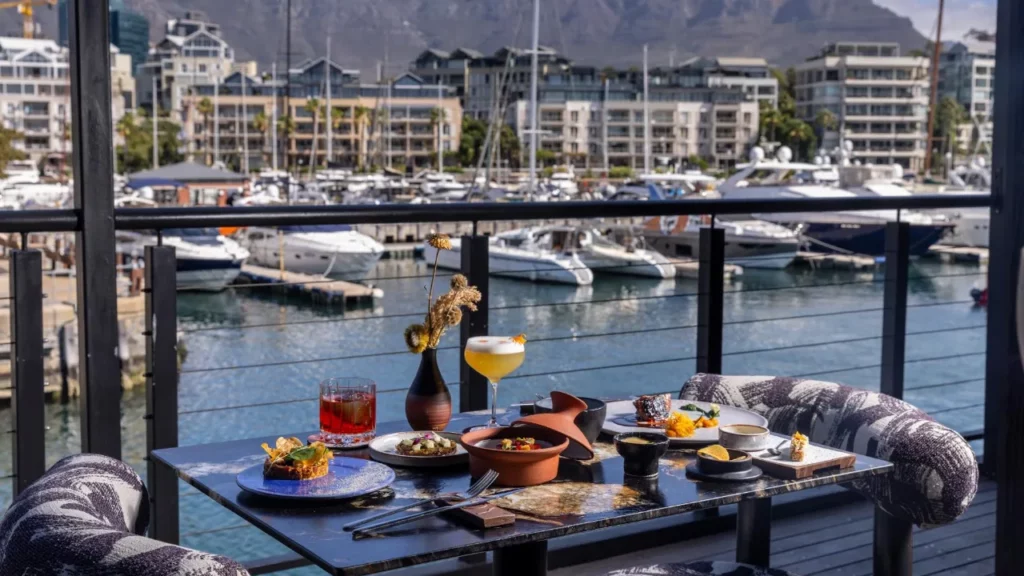
This massive influx of foreign currency is a lifeline for the Western Cape and coastal operators. International visitors are spending up to 70 percent more per transaction on food and beverage than local guests.

The Bifurcated Market
Operators must build a dual strategy. You need high-value, perception-driven local specials to keep the lights on during the week, combined with premium, story-driven local wine and ingredient offerings to capture the unconstrained tourist dollar on the weekend.
2026 Macro Industry Trends: Guest Spend Suppression
When dealing with the domestic 2026 diner, we are seeing a harsh reality on the floor known as guest spend suppression. Diners are visiting venues, but they are actively trading down inside the exact same visit.
The Beverage Collapse
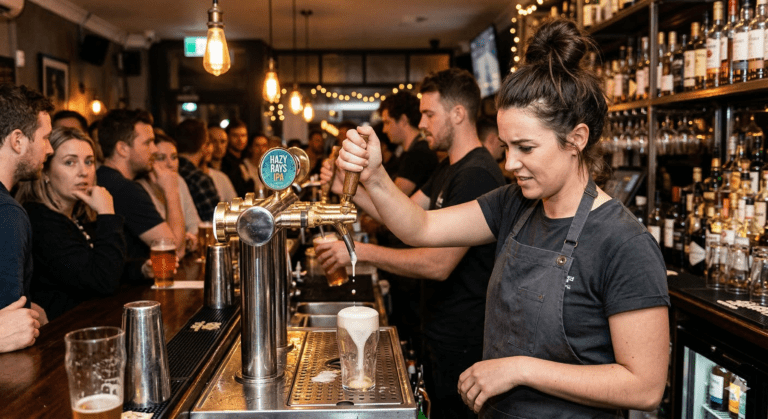
The clearest red flag is the drop in premium beverage consumption. Guests are skipping expensive cocktails and bottles of wine, opting instead for a single glass or tap water.
Shared Experiences
Waiters are reporting fewer starters ordered, skipped desserts, and a massive rise in shared mains. Operators are working just as hard to turn a table, but the final head spend is dropping.

Conclusion:
We are no longer trading in a recovery environment. We are trading in a highly polarized market where biosecurity dictates the menu and international flights dictate the revenue.
In 2026 Macro Industry Trends, survival is not about optimism. It is about operational precision, strategic menu engineering, aggressive cost control, and a clear dual-market positioning strategy that acknowledges the local squeeze while capitalizing on the global tourism boom.

Leave a comment