
High Street Action Co crown in South Africa’s Luxury Hospitality Market
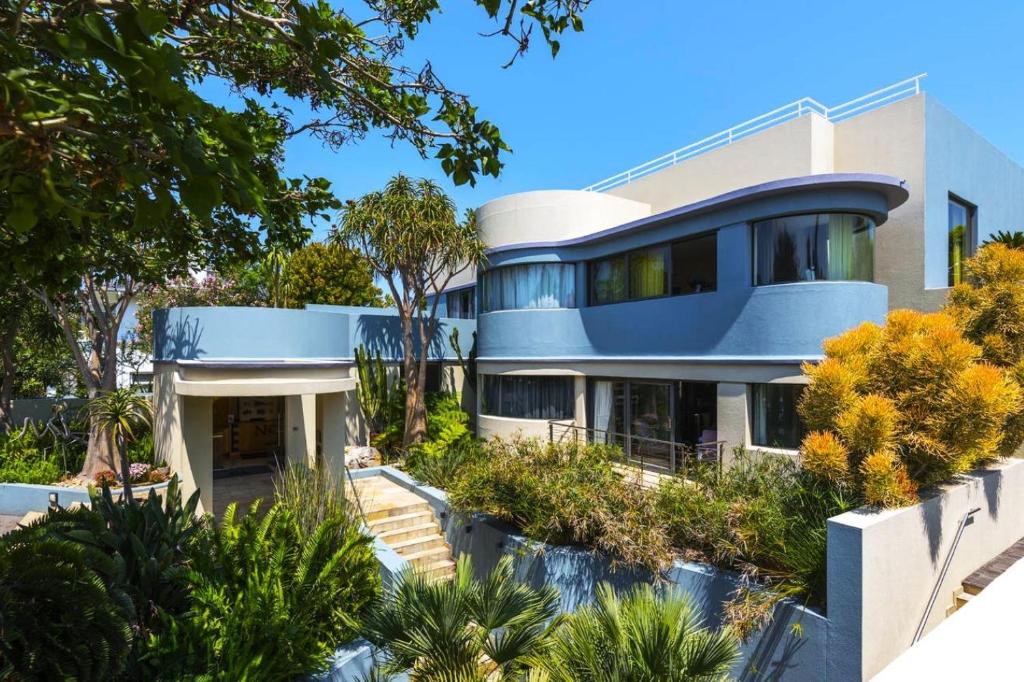
Boutique hotel Mantis no 5 is the jewel in the High Street Action Co crown this March. The No5 Art Hotel by Mantis – known as Mantis No 5 – an immaculately restored art deco boutique hotel, is the Grande Dame of Gqeberha (Port Elizabeth). Its rare combination of architectural significance, luxury accommodation, curated art and comprehensive lifestyle amenities make it one of Gqeberha’s most distinctive and prestigious hospitality assets.
Properties such as this seldom come to auction,” admits High Street Auction Company director, Greg Dart.
Even before it comes under the High Street hammer at an online and live (Bryanston Country Club) auction on March 26, this distinctive property has elicited interest from as far afield as Canada, with potential investors from Ghana currently reviewing the opportunity from their offices in Accra. “With a highly desirable asset such as this, there is no better place than an auction floor to get people to compete and to extract the best value. You start seeing real price discovery,” adds Dart.
Lining Up for Auction Under the High Street Action Co crown
Although the diverse property portfolio for the auction mirrors High Street’s strong national footprint and ability to focus in on key regions – in this instance the Eastern Cape where properties extend from two fuel stations to well positioned apartments, and a sophisticated double storey penthouse in Summerstrand – Mantis No 5 is the gem.
As part of the award-winning Mantis Collection, recognized as Africa’s Leading Boutique Hotel Brand in 2024 by World Travel Awards and a Traveller Review Award Winner 2026 and 50% owned by AccorHotels, France’s and Europe’s biggest hotel operator, it offers considerable business prospects.
Mantis properties extend as far as the Zambezi and Chobe in Botswana and include Mantis Hiddn in Addo and Founders Lodge by Mantis, also situated near Gqeberha.
Dart says the successful buyer can continue to operate according to a Mantis franchise agreement which is valid till 31 May 2028.
Other options include full management and a badged option.
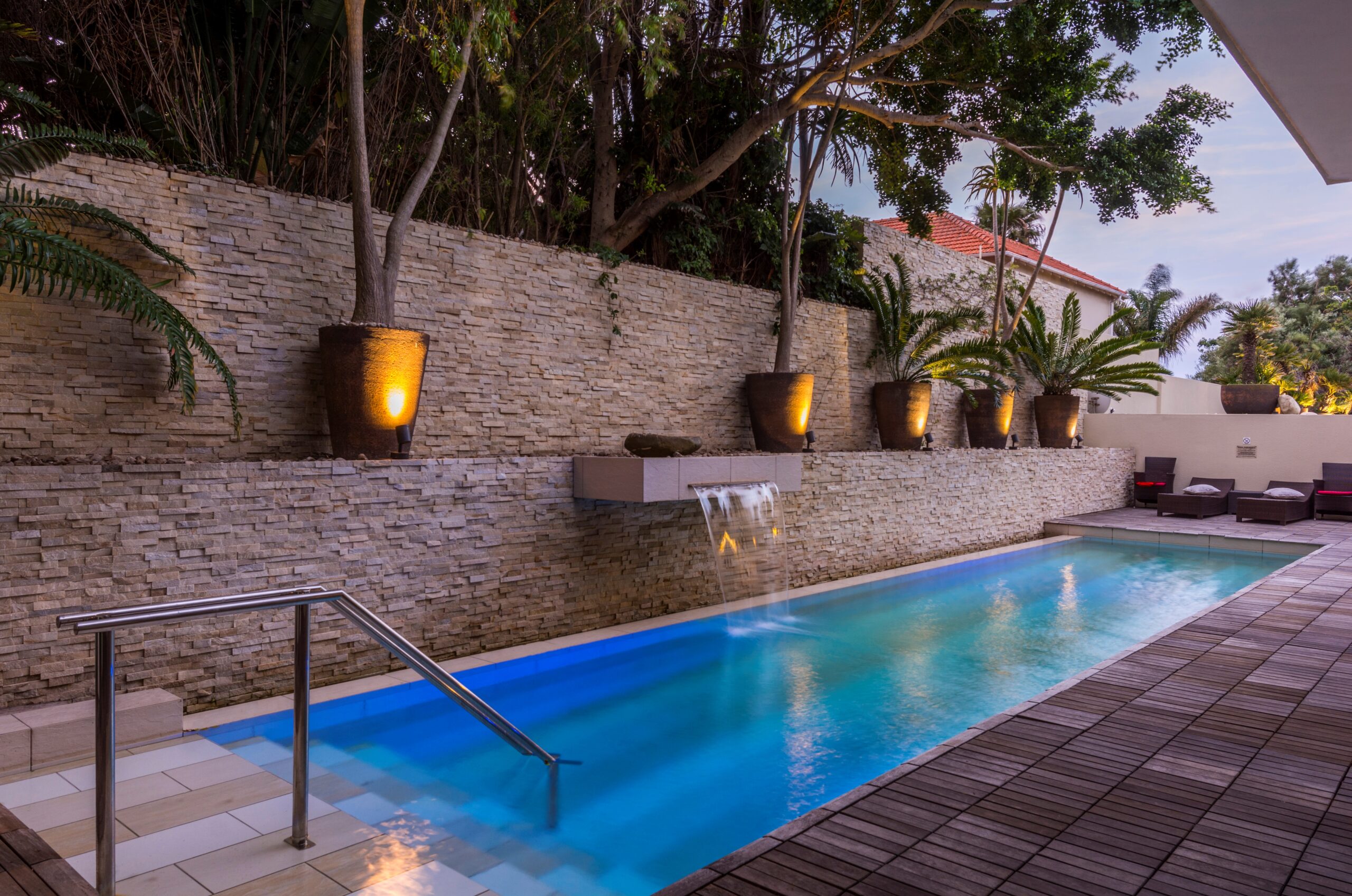
Located in the Summerstrand less than 10 minutes away from Chief Dawid Stuurman International Airport, the hotel comprises 10 suites (a presidential suite, three luxury suites, three business suites and three executive suites), the Jazz-Room fine dining restaurant, a champagne lounge, salon prive (whiskey and cigar lounge), a private dining cellar 30 feet below sea level, a piano room (centred by a 1947 Andreas Christensen piano from Copenhagen), a sparkling swimming pool and the TITE Medi Spa, the first South African facility opened by leading African spa operator, Camelot.
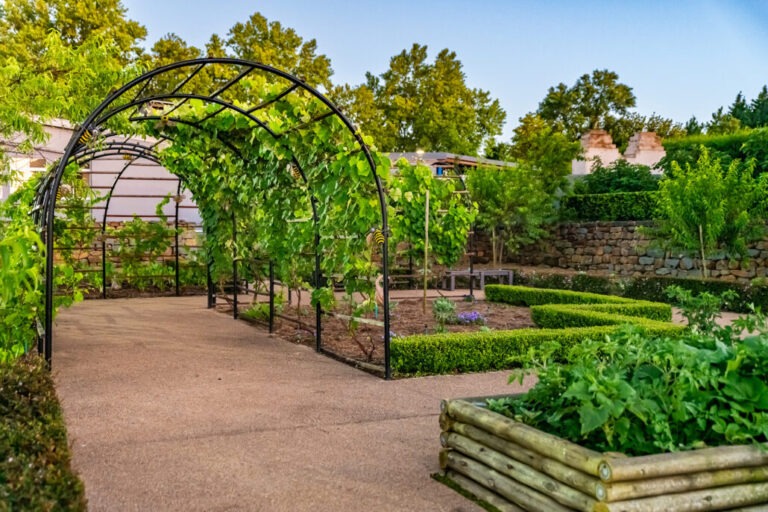
Additional distinctive features include the Mountbatten private cinema – modelled on King Charles’s private cinema at Clarence House in London, an organic kitchen garden as well as landscaped gardens designed by David Glanville featuring the flora of the Eastern Cape bushveld.
The magnificent multi-million-rand art collection currently adorning the walls will be sold separately.
Buying Into Boutiques Within the High Street Action Co crown
In short, Mantis No 5 perfectly encapsulates a growing trend in South Africa’s hospitality sector. It reflects the rise of the ultra-luxury boutique hotel. These hotels align perfectly with the company’s sales of other luxury collectibles. This includes rare cars, whiskeys, watches and jewellery.
The High Street Auction Co is no stranger to bringing unique properties to market. Recent examples include the Swartberg Hotel in Prince Albert in the Karoo. Another is the iconic Majeka House in Stellenbosch. It features 21 designer rooms, pools, a restaurant, lush gardens and a spa set against the magnificent Helderberg Mountains. “These hotels cater to travellers seeking more than just a place to put down their suitcases,” explains Dart.
They are built around exclusivity and a personal touch. They allow guests to connect with the environment and culture. Guests are looking for unique experiences. Each boutique hotel tells its own story. This is reflected in its design and décor. These elements set them apart from conventional hotel chains. According to Grand View Research, global demand for boutique hotels and serviced apartments is growing.
In 2024, the boutique hotel market generated $278.1 million. It is forecast to grow at a rate of 8.1%. The market is expected to reach $442.1 million by 2030. The research company adds that luxury boutique hotels in South Africa are performing strongly. There has been a 12% year-on-year increase in revenue per available room. This growth is driven by rising international travel. Intimate, high-design accommodations are outperforming larger, traditional hotels.
Until recently, boutique hotels were mainly found in Cape Town and Gauteng. Now, new hotspots are emerging. These include coastal regions such as KwaZulu-Natal and the Eastern Cape. In these areas, safaris are an added attraction. “For travellers, the maturing industry means more choice and more distinctive experiences,” the Grand View Research authors point out. “For investors, it means the hospitality sector is gradually shifting from volume to value.”
A Stepping Stone Into the Eastern Cape

“This property serves as a springboard into the different hospitality offerings in the Eastern Cape. It is central in upmarket Summerstrand and serves as a springboard into the region. Because of the International branding associated with it, it is a great stepping stone into the region and the different national reserves that surround it.
Every time I have visited, there have been international guests. Mantis no 5 is a calm, relaxing zone, a little bit of home and a perfect introduction to South Africa,” High Street sales executive, Tamzin Herbst, points out. She believes the broader Eastern Cape is, for now, one of South Africa’s best kept tourism secrets.
According to the Department of Tourism, South Africa’s hospitality sector saw a significant increase in international tourist arrivals between January and September 2025 with over 7, 6 million tourists landing, – 1,1 million up on the same period in 2024.
Eastern Cape tourism authorities say the sector, which contributes about R2.5 billion to provincial GDP quarterly, is growing on the back of boutique hotels and luxury game lodges. After the Kruger National Park, Addo Elephant is the second most popular national park.
The Eastern Cape offers a malaria-free “Big 5” game experience, often combined with beach access. This, underscored by television coverage, has created a network of exclusive private game reserves, including the likes of Shamwari and Pumba with its white lions.
The Eastern Cape also offers one of the most unspoilt beach experiences.
“As the Western Cape becomes more and more saturated, people will move along the coast. Right now, investors still underrate the Eastern Cape, but they can extract immense value from it. Those who are prepared to buy now are securing amazing properties at good values. Buyers can purchase a large two-bedroomed apartment with a sea view for far less than a much smaller version in Johannesburg.
Smaller towns remain virtually untouched, although development is beginning. If you move ahead at current prices, you position yourself well ahead of the curve,” she concludes.
Leave a comment