
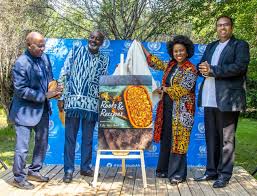
In today’s evolving food landscape, Roots & Recipes emerges as a powerful reminder that the future of sustainable eating may lie in our indigenous past.
There is a specific, grounding comfort found in the smell of rain hitting the dry African earth. It is a scent that speaks of survival, of cycles, and of the land that feeds us. For too long, however, the true bounty of that landthe hardy sorghum, the nutrient-dense morogo, the creamy bambara nuthas been sidelined, often whispered about as “poverty food” while we filled our plates with imported trends.
But the tide is turning. We are witnessing a homecoming.

The launch of Roots & Recipes: Indigenous Foods for a Sustainable Future marks a pivotal moment in South Africa’s culinary timeline. Launched amidst the natural splendour of the Nirox Sculpture Park in the Cradle of Humankind, this publication is a collaboration between the United Nations in South Africa, the Food and Agriculture Organisation (FAO), the South African Chefs Association (SA Chefs), and the Gauteng Department of Agriculture and Rural Development.
This is not merely a collection of instructions for dinner; it is a restoration of dignity. It is a love letter to the nine provinces and the generations of grandmothers who kept these seeds alive in their aprons.
More Than Just a Cookbook
At its core, Roots & Recipes serves as a bridge. It connects the ancient wisdom of the past with the urgent sustainability needs of the future. It captures the essence of South African identity, moving beyond the braai to celebrate a diverse pantry that includes millet, amadumbe, marula, and rooibos in ways that feel fresh and modern.
The book represents a powerful alignment between chefs, policymakers, and the farmers who work the soil. It is a declaration that our indigenous ingredients are not relics to be viewed in a museum, but vibrant, viable solutions for a modern world grappling with climate change.
The President’s Call

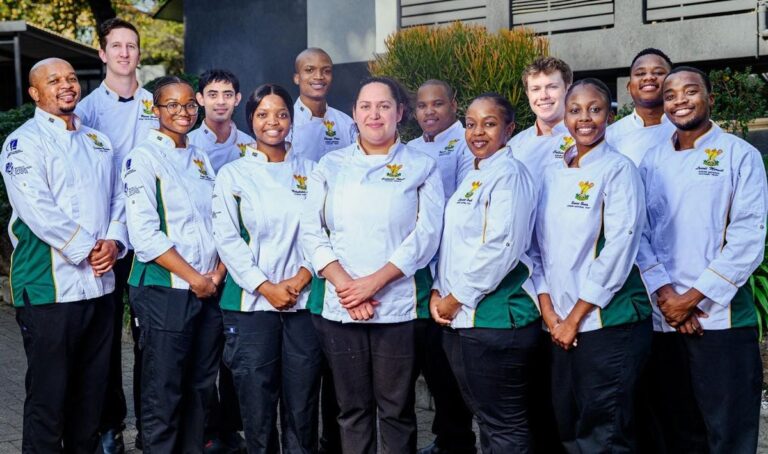
The launch event was charged with emotion, moving away from bureaucratic speeches to heartfelt storytelling. Chef Coovashan Pillay, President of the South African Chefs Association (SA Chefs), was a central voice, framing the book not just as a culinary guide, but as a mirror to our national soul.
“As we turn the pages of Roots & Recipes, we are not merely reading about food, we are reading about ourselves,” Pillay noted. For him, ingredients like spekboom and bambara beans are “gifts of nature” that embodied sustainability long before it became a global buzzword.
Speaking with the authority of the industry’s highest office, Pillay’s message to the culinary fraternity was clear: the wisdom we seek is already here. “Our association is more than just a collective of chefs; we are a family united by our love for food, culture, and creativity,” he said. He emphasized that the “old” ingredients are actually the new frontier for chefs who want to cook with integrity and identity.
The Science of the Soil: Is There Space for Regenerative Farming?
Regenerative farming is not just about sustaining the land; it is about healing it. It is a method of farming that restores soil health, captures carbon, and increases biodiversity rather than stripping the earth bare.
South Africa’s indigenous crops – like sorghum and millet – are naturally suited to this. They have deep root systems that hold the soil together and require far less water and fertilizer than commercial maize. By eating these foods, we are supporting a farming system that works with nature, not against it. This is “climate resilience” on a plate.
The Call to Action: Support Small Farmers

This brings us to the most critical point: the economics of your dinner. Gauteng MEC Vuyiswa Ramokgopa delivered a stirring reminder of the power dynamics on our plates. “Let us teach our children that umngqusho, morogo, and amadumbe are not the foods of poverty, but the food of power,” she said.
But that power is only real if we buy it. Every time you choose local sorghum over imported rice, you are directly supporting a smallholder farmer. You are putting money into the hands of rural women and seed savers who are the custodians of this heritage.
Buyiswa Twala, founder of Agrigreat Soiltech, argued that we must “uplift the farmer” by integrating these indigenous methods with modern technology. The call to action is simple: Buy local. Buy indigenous. Support the small guys.
A Taste of Roots & Recipes: Umbhako (Baked Sorghum Bread)
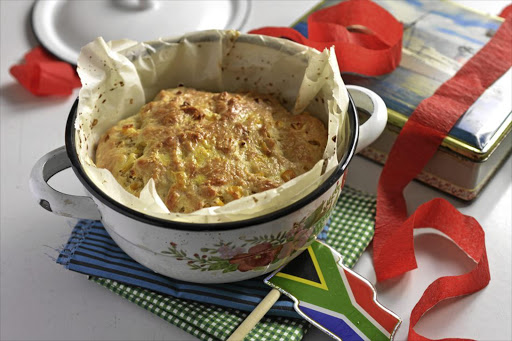
To give you a glimpse of the book’s philosophy – simple, nutritious, and proudly local – here is a preview of a beloved traditional favourite. Umbhako is prepared in both rural and township households, usually served with stews, curries, or simply with butter and tea.
Ingredients
-
4 cups (500g) sorghum flour
-
2 1⁄4 tsp (1 packet) active dry yeast
-
2 tbsp sugar
-
1⁄2 tsp salt
-
1 1⁄2 cups (360 ml) warm water
-
2 tbsp unsalted butter, melted (plus extra for greasing)
Method
-
Activate: In a small bowl, combine warm water and sugar. Sprinkle yeast on top and let sit for 5–10 minutes until frothy.
-
Mix: In a large bowl, combine flour and salt. Make a well in the centre and add the yeast mixture and melted butter. Stir until the dough comes together.
-
Knead: Transfer to a floured surface and knead for about 10 minutes until smooth.
-
Rise: Place dough in a greased bowl, cover with a clean towel, and leave in a warm place for about 1 hour (until doubled in size).
-
Shape & Bake: Punch down gently, roll into a smooth loaf, and place in a greased loaf tin. Let rise again for 30–40 minutes. Bake at 180°C for 25–30 minutes until golden brown.
Where to Find Roots & Recipes
Roots & Recipes: Indigenous Foods for a Sustainable Future is available as a digital publication through the United Nations South Africa and FAO online platforms, ensuring that this knowledge remains accessible to all South Africans.

Leave a comment