
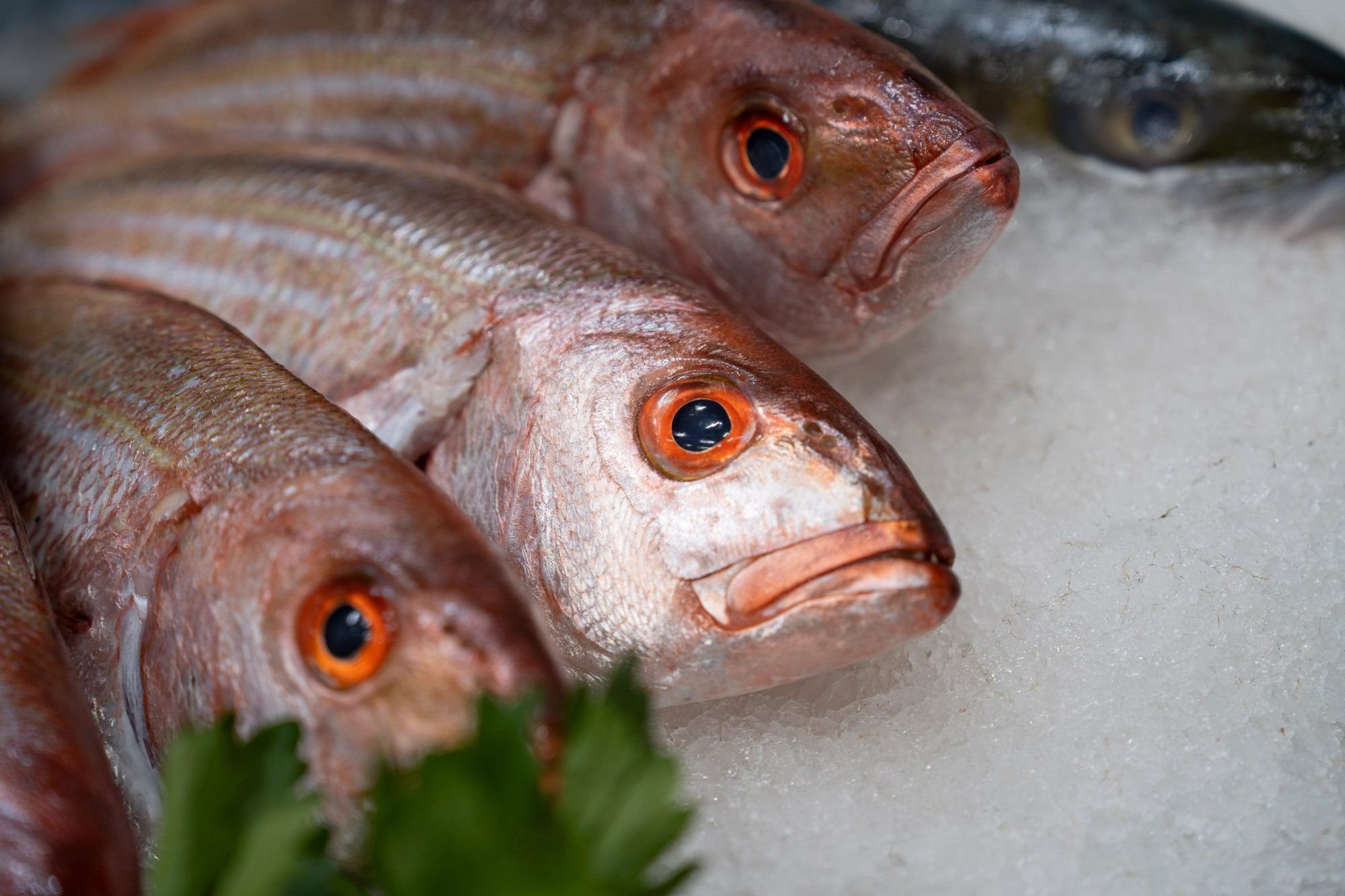
Line fish on ice. The first Cape Catch list names 15 local fish and shellfish species, plus seaweeds. Image: V&A Waterfront
Press release issued by the V&A Waterfront for the launch of Cape Catch on World Fisheries Day, 21 November 2026.
New menu mark will help diners identify locally sourced seafood meeting recognised sustainability standards
Thirty-six restaurants and hotel outlets at the V&A Waterfront have signed up to Cape Catch, an initiative launching on World Fisheries Day, Saturday, 21 November, that will make it easier for diners to identify locally sourced seafood meeting recognised sustainability standards.
Participating outlets commit to featuring at least four qualifying seafood options on their menus, or at least half of their seafood offering where they have fewer than four choices. Qualifying dishes will carry the Cape Catch mark, giving diners a simple way to make a more informed choice.
“No single restaurant can change a fragmented seafood supply chain on its own. A destination that brings restaurants, suppliers, fishers and millions of visitors together has an opportunity to shift the market collectively, and with that comes a responsibility to try,” says Graham Wood, CEO of the V&A Waterfront.
Cape Catch follows four years of research into the seafood offering across the Waterfront’s hospitality outlets, a collaboration between SOLVE, the Waterfront’s urban innovation platform, and the Two Oceans Aquarium Foundation, which provided the marine science behind the initiative. Their baseline analysis found that a significant amount of seafood sold in Waterfront restaurants was imported or not from sustainable sources, despite viable local alternatives being available.
“Seafood sustainability is confusing for diners and restaurants alike. Cape Catch is grounded in science, combining recognised sustainability standards with research into what diners, chefs and suppliers need to make better choices. By simplifying the decision at the table, we can help protect the ocean while supporting local livelihoods,” says Dr Judy Mann-Lang of the Two Oceans Aquarium Foundation.
The initiative provides restaurants with a shortlist of local seafood they can source with confidence, and diners can recognise at a glance. To qualify, a species must be Green-listed by the WWF Southern African Sustainable Seafood Initiative (WWF-SASSI) and/or certified by the Marine Stewardship Council (MSC) or the Aquaculture Stewardship Council (ASC). It must also come from South African waters or local aquaculture.
The initial list comprises 15 fish and shellfish species, as well as seaweeds. It includes Cape hake, snoek, Cape yellowtail, kingklip, Cape bream, yellowfin and longfin tuna, and locally farmed mussels, oysters and abalone.
Waterfront research indicates that diners are ready to respond. In a survey of more than 1,000 visitors, 93% said they would consider sustainability when ordering seafood if responsible choices were clearly identified, while 63% said they would switch to a sustainably harvested or farmed alternative.
“Cape Catch is about moving from an idea to practical action,” says Alex Kabalin, Retail Executive at the V&A Waterfront. “Our role is to work with tenants and partners to address the real barriers to responsible seafood sourcing and find practical solutions that are visible, credible and commercially realistic.”
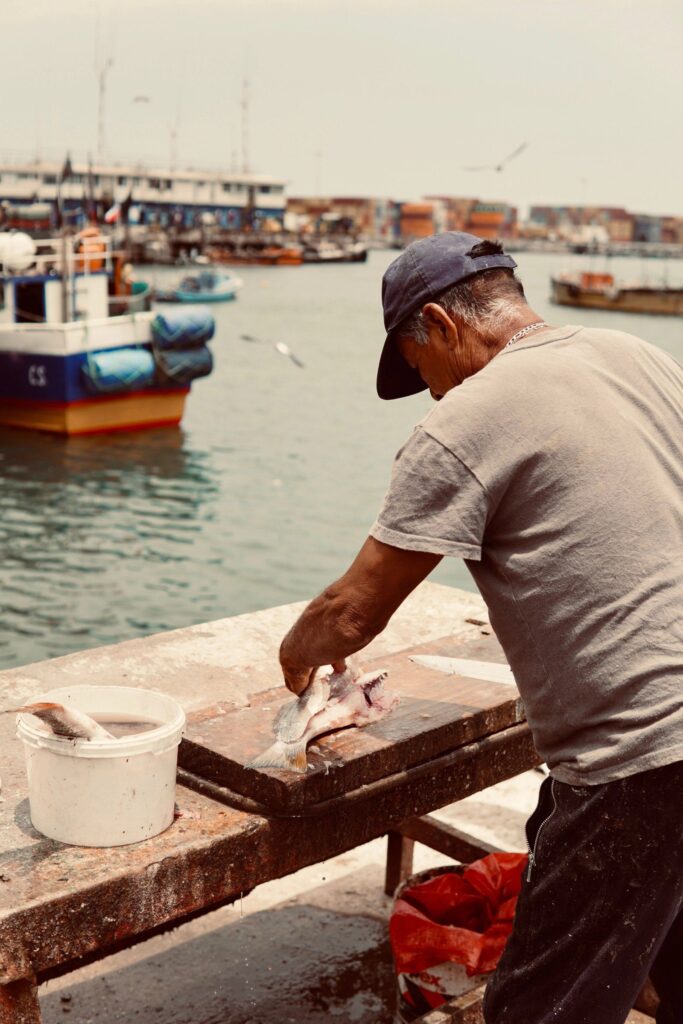
Cape Catch is also intended to create greater access to the Waterfront’s restaurant trade for traditional and small-scale fishers, helping to connect fishing communities to formal markets.
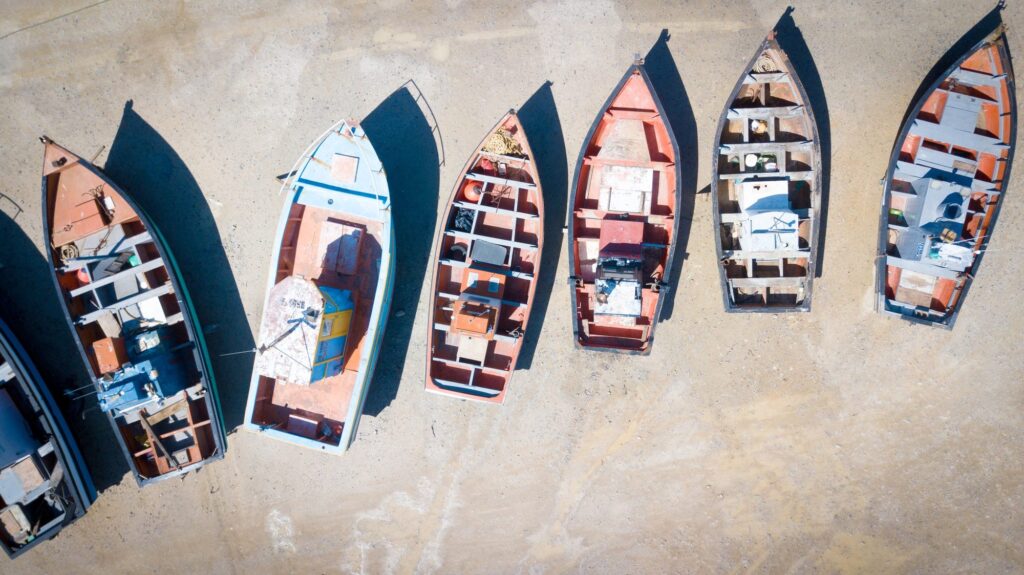
“This opportunity allows us to feel part of the bigger picture,” said Hahn Goliath, speaking for traditional fishers at the Waterfront’s sustainable seafood panel in July. “There is dignity in the work. Cape Catch creates visibility for what traditional fishers do; how we fish, where we fish, in the interests of those who follow us. This is Cape Town’s heritage, and we are determined to retain it.”
The Waterfront will report openly on participation, changes in sales patterns and what is and is not working as Cape Catch develops.
For visitors, the message is simple: when ordering seafood at the V&A Waterfront, look for the Cape Catch mark.
For more information about the species list and participating outlets, visit Cape Catch | V&A Waterfront.
Source: V&A Waterfront media release, issued through Corporate Image, November 2026.
Editor’s note: according to the release’s notes for editors, Cape Catch is the V&A Waterfront’s framework for local, responsibly sourced seafood and is not a certification, and it forms part of the Waterfront’s Sustainable Seafood Initiative 2023–2027. The full launch list: fish, Cape yellowtail, Cape hake, snoek, Cape bream, yellowfin and longfin tuna, kingklip, Cape horse mackerel (maasbanker), carpenter (silvers) and Highland trout; shellfish, locally farmed abalone, East Coast rock lobster, South Coast rock lobster, farmed mussels, farmed oysters and Cape Hope squid; and seaweeds.
Leave a comment