
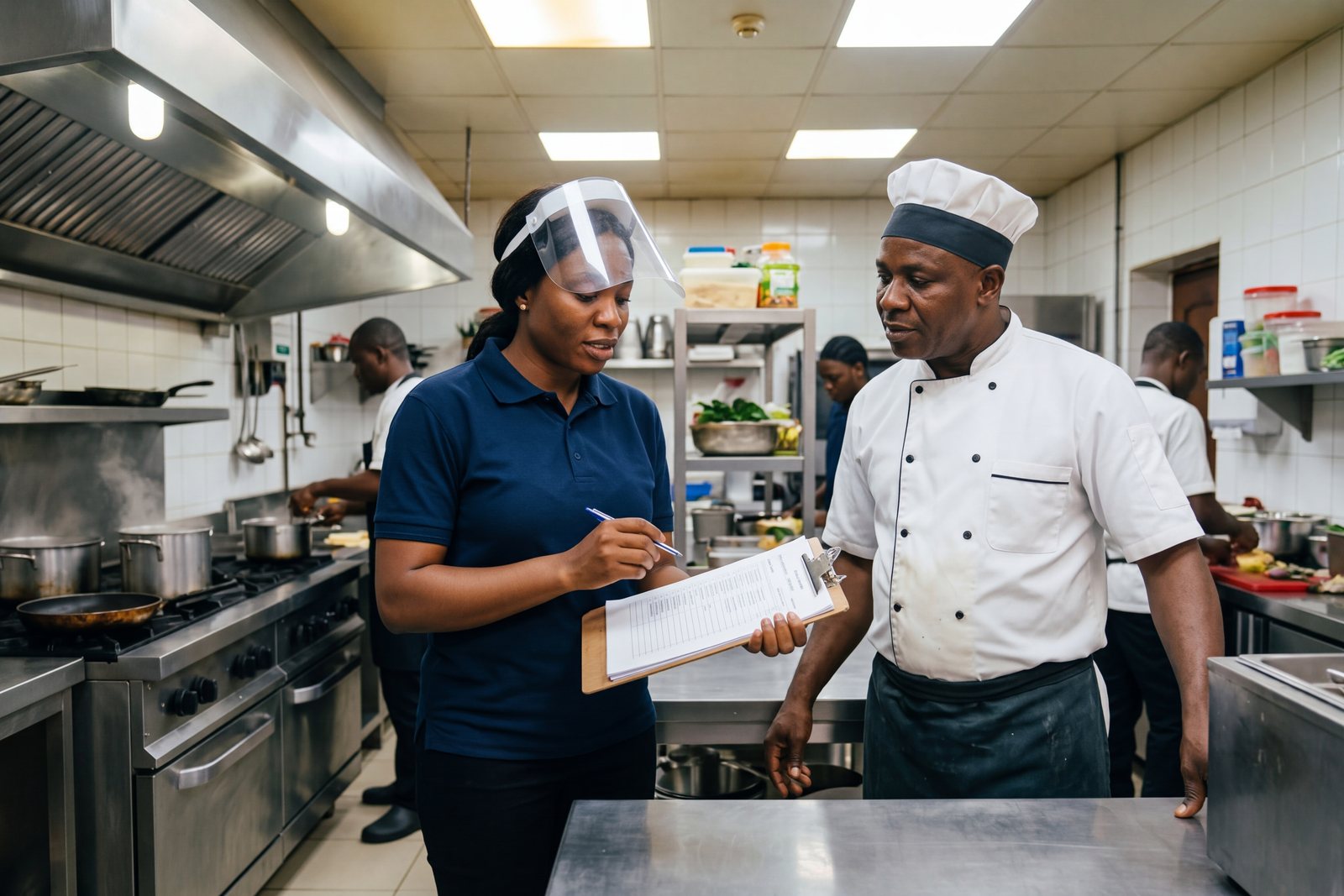
Clean kitchens. Clear conscience. Real savings. Reframing hygiene procurement around certification: the real differentiator for the compliance-anxious F&B manager.
Ask most kitchens why they buy the cleaning chemical they buy, and the honest answer is price, habit, or whatever the previous chef ordered. Ask a health inspector what they are actually looking for, and the answer is narrower and less negotiable: proof. A SABS 1828 certified cleaner is one specific, checkable claim: food-safe for use in food-contact areas, verified by South Africa’s national standards body rather than by the brand’s own packaging copy. That distinction is the whole article.
GreaseOff carries three certifications: SABS 1828; ISO 9001, held by its manufacturer, Green Science; and Halaal certification. This piece sets out what each certification actually guarantees, what a health inspector is really checking for during a walkthrough, and how to audit a current chemical store against a standard that has nothing to do with marketing language.
The credential
Why the SABS number matters more than the price tag
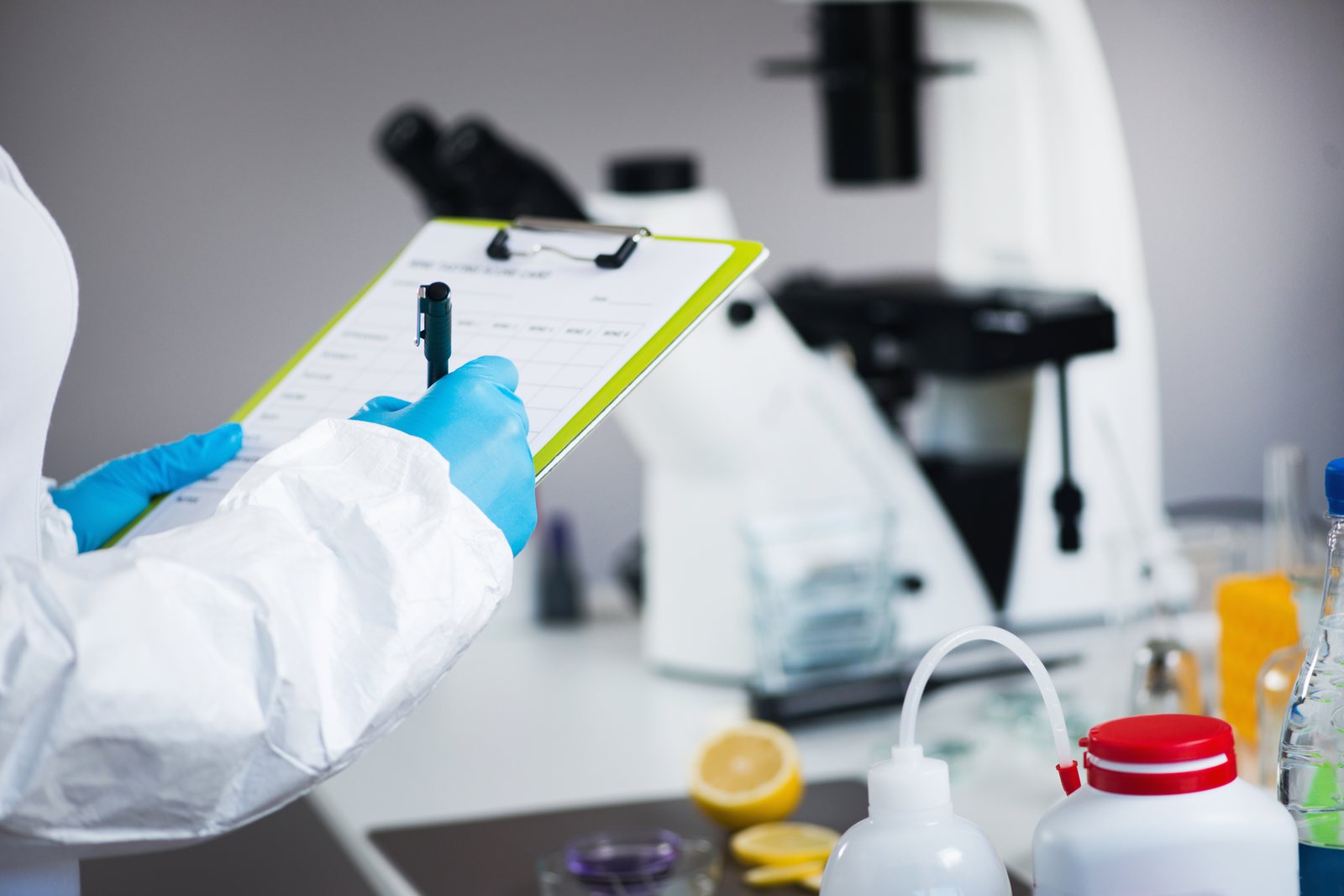
A cleaning chemical’s price tells a buyer nothing about whether it is safely usable on a food-contact surface. SABS 1828 does. It refers to SANS 1828, the South African National Standard for cleaning chemicals used in the food industry, and certification against it is issued by the South African Bureau of Standards: an independent third party, not the manufacturer.
That third-party status is the part worth pausing on. Any bottle can claim to be “kitchen safe” or “food grade” on its own label. A SABS 1828 certified cleaner has had that claim tested and verified by a body with no commercial interest in the answer. For a kitchen manager building a defensible chemical store (one they can stand behind in front of an inspector, an auditor, or a hotel group’s own compliance team), that is the difference between a claim and a credential.
Three certifications
ISO 9001, SABS 1828 and Halaal: what each certification actually guarantees
 Food-safe cleaning chemicalSABS 1828 · SANS 1828:2024 · permit 10741/16898
 HalaalNational Independent Halaal Trust · H786/NR 229
The three certifications GreaseOff holds are not interchangeable, and each answers a different question a buyer might reasonably ask.
SABS 1828 is the food-safety credential: certification that the product meets the national standard for cleaning chemicals used in the food industry. GreaseOff’s permit, number 10741/16898, names the product and runs to 21 August 2029.
ISO 9001 certifies the manufacturer’s quality management system, consistent production and process control, rather than the product’s food-safety performance directly. GreaseOff’s manufacturer, Green Science, has held it since 2019. Between them, the two cover process consistency and product safety separately.
Halaal certification makes the product permissible for use in Halaal-certified kitchens, which matters for any group operating across mixed-certification sites. GreaseOff’s is issued by the National Independent Halaal Trust (NIHT).
The walkthrough
What a health inspector is really checking for
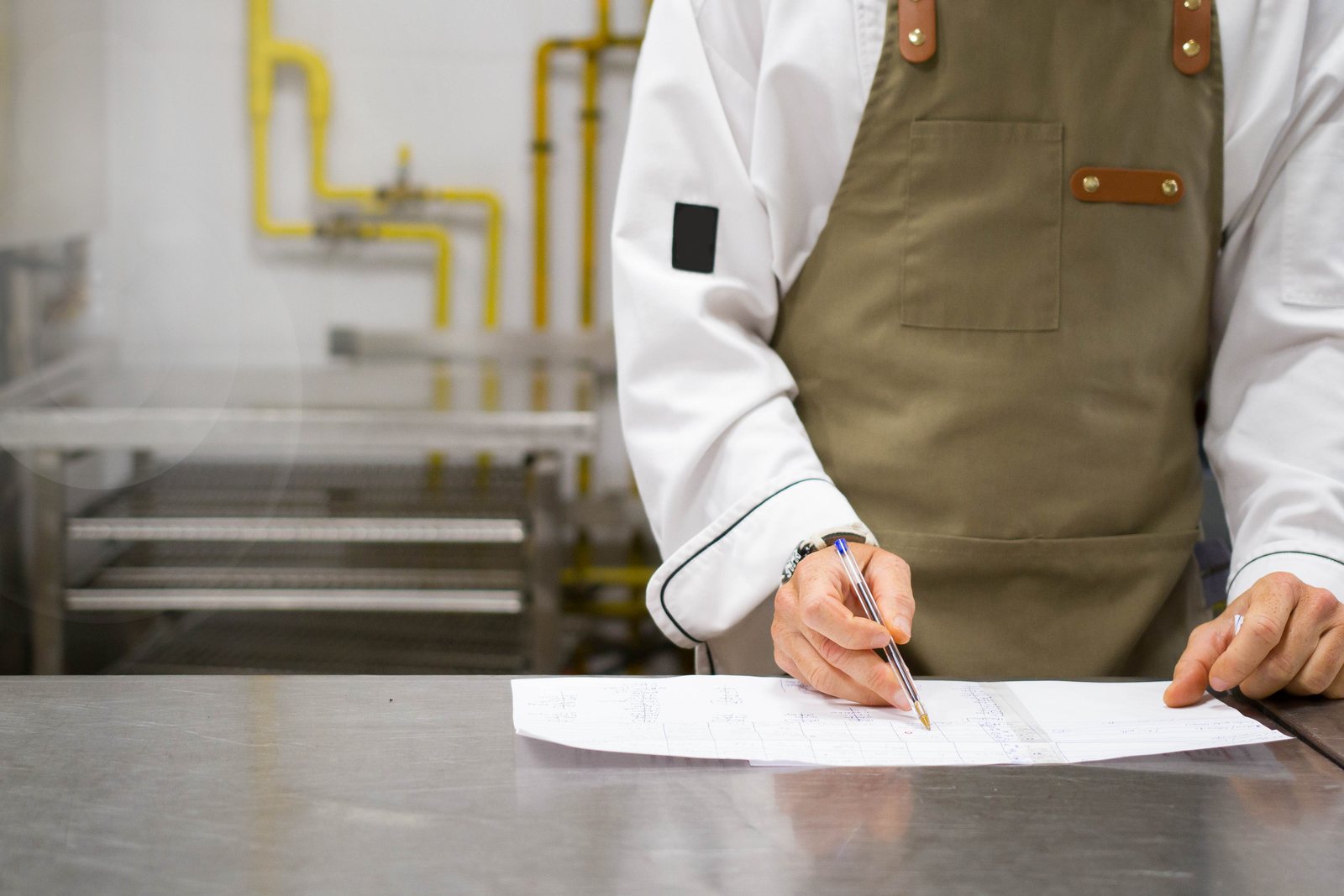
A health inspection is rarely a chemistry test. In practice, inspections are carried out by municipal Environmental Health Practitioners under R638 of 2018, the hygiene regulations for food premises, and three things reach the chemical store: whether food-contact surfaces are free of cleaning residue, whether staff are trained in food safety and hygiene, with records to show it, and whether a current safety data sheet is on file for each hazardous product. A shelf of five different bottles, each with its own dilution rate and its own paperwork, multiplies the number of places that audit can go wrong.
A single SABS 1828 certified product, correctly stored and correctly explained by whoever is on shift, closes most of that exposure in one line item. It is also simply easier to keep current: one set of paperwork to file and refile, not five.
The audit question
Is your current cleaning chemical putting your health inspection at risk?
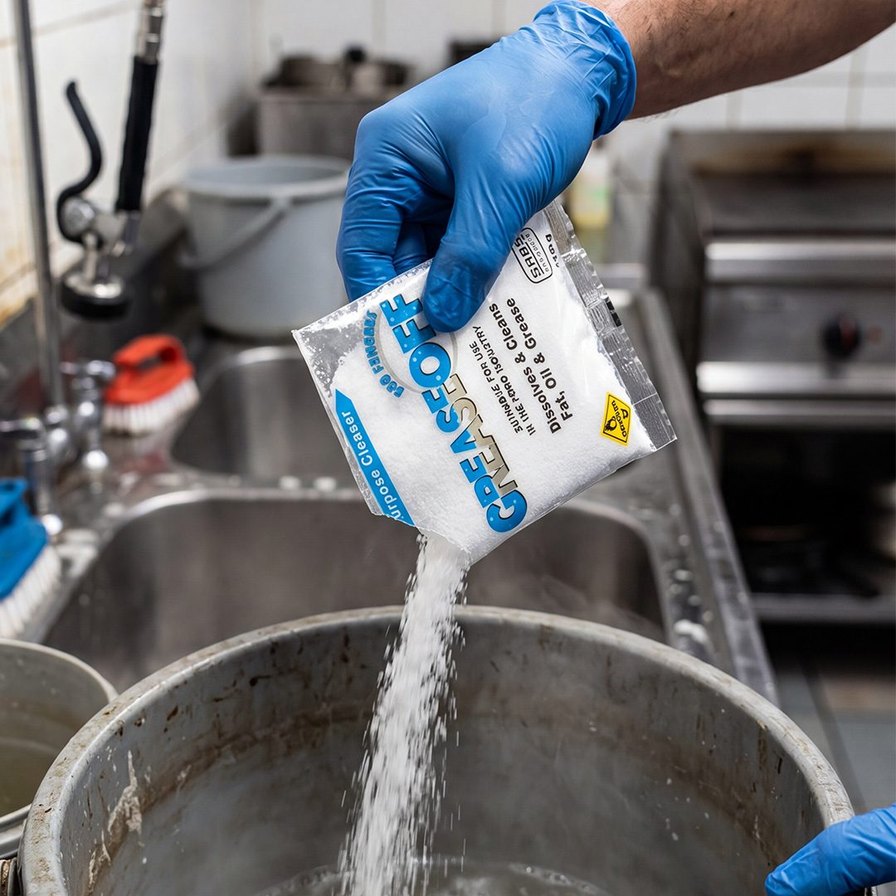
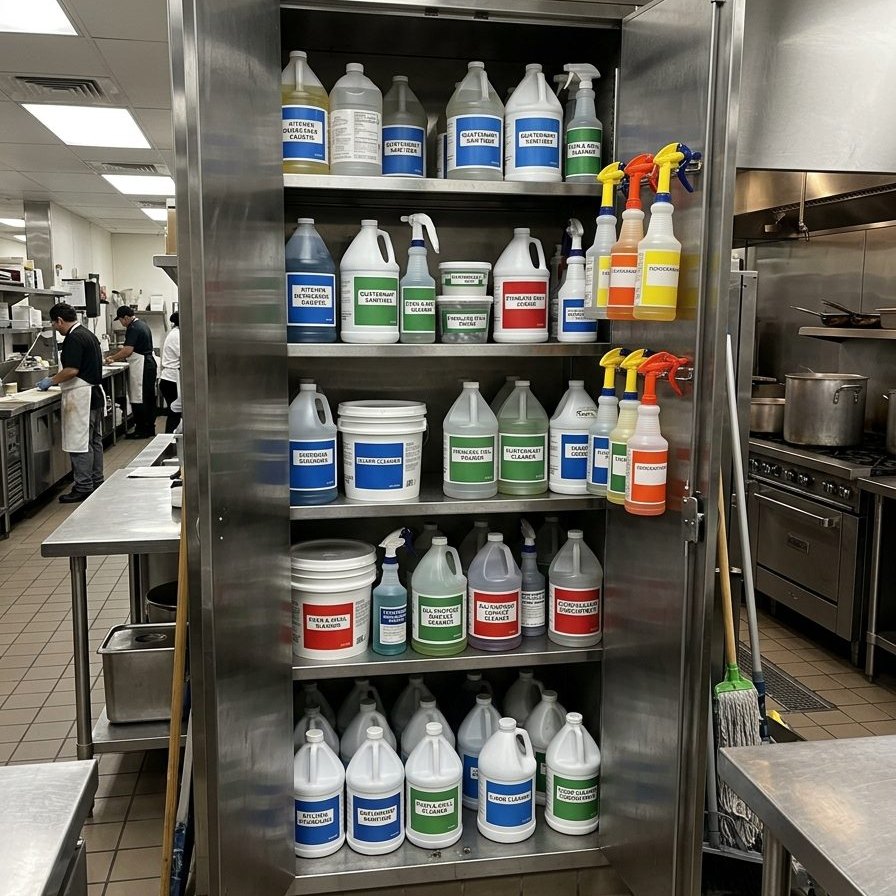
The honest audit question for any kitchen manager is not “does this clean well”; most caustic degreasers clean well. It is whether every product currently on the shelf can produce a current, valid, third-party food-safety certificate on request. Products bought on price or habit, with no traceable accreditation, are the ones that turn a routine inspection into a longer conversation.
GreaseOff was built to remove that exposure at the source: one product, one certification file, one answer to give an inspector rather than five.
The GreaseOff certification checklist
ISO 9001
- Covers Quality Management System certification
- Signals Global credibility for B2B and export-facing buyers
- Held by Green Science (Pty) Ltd
- Issued by SHEQ National Cert · valid to 19/04/2028
SABS 1828
- Covers Food-safe cleaning product accreditation
- Standard National standard for cleaning chemicals used in the food industry
- Permit 10741/16898 · SANS 1828:2024 · valid to 21/08/2029
Halaal
- Covers Permissible for use in Halaal-certified kitchens
- Issued by National Independent Halaal Trust
- Certificate H786/NR 229 · valid to 28/02/2027
Certificates and trade enquiries at greaseoff.co.za/about.html · SABS 1828 · ISO 9001 · Halaal certified
For the kitchen and the buyer
Frequently asked questions about SABS 1828 and kitchen cleaning certification
What is SABS 1828 certification?
SABS 1828 is South African Bureau of Standards certification against SANS 1828, the national standard for cleaning chemicals used in the food industry. It is a third-party verification, not a manufacturer’s own claim.
Is ISO 9001 the same as a food-safety certification?
No. ISO 9001 certifies the manufacturer’s quality management system (consistent production and process control) rather than the product’s food-safety performance directly. GreaseOff’s manufacturer holds ISO 9001 and the product carries SABS 1828, which covers process consistency and product safety separately.
What is the difference between SANS and SABS?
SANS is the South African National Standard; SABS is the body that certifies products against it. GreaseOff’s SANS certification is SANS 1828, which the trade calls SABS 1828.
Does Halaal certification affect a non-Halaal kitchen?
No, but it widens where the same product can be used. A Halaal-certified cleaning product is permissible in Halaal-certified kitchens, which matters for any group operating across mixed-certification sites.
What should a kitchen ask a supplier for, beyond a product data sheet?
A current, named certificate for each accreditation claimed (SABS 1828, ISO 9001 or Halaal) rather than a general assurance on the label. GreaseOff’s certifications are available on request via greaseoff.co.za/about.html.
Sponsored content · This feature was produced by Hospitality Marketplace in association with GreaseOff. Certification details supplied by the brand and checked against the current certificates, 01/10/2026.

Leave a comment