
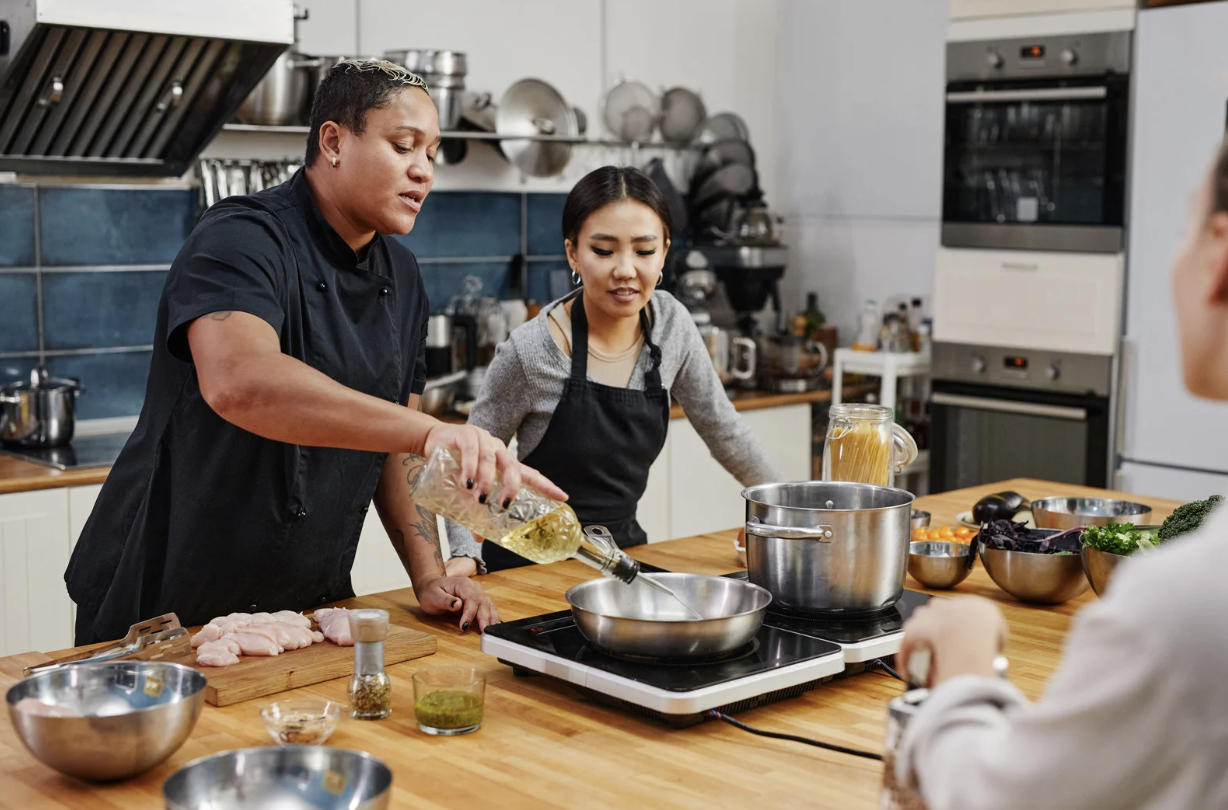
CELEBRATING WOMEN’S MONTH WITH CAPSICUM CULINARY STUDIO
“The title ‘Chef’ doesn’t come with a gender. And the food industry shouldn’t either.” – Chef Sharon Pye
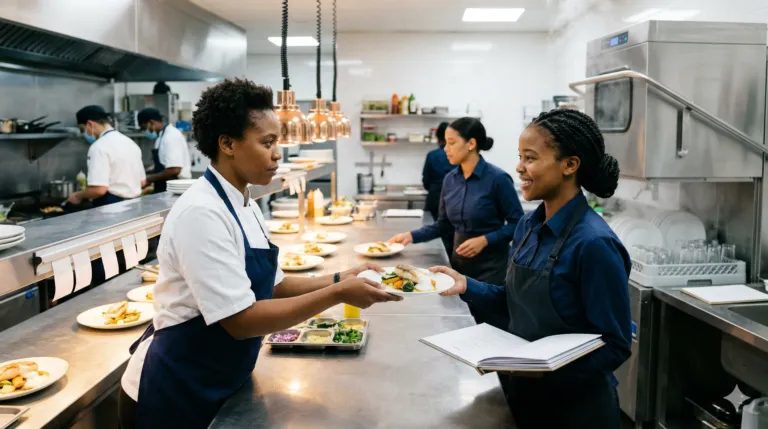
In a world where the kitchen has long been considered a woman’s place — but rarely her stage — the tides are finally turning. As Women’s Month takes centre stage this August, Capsicum Culinary Studio offers a powerful reminder that the culinary industry is not just evolving, it’s being redefined by the women in it.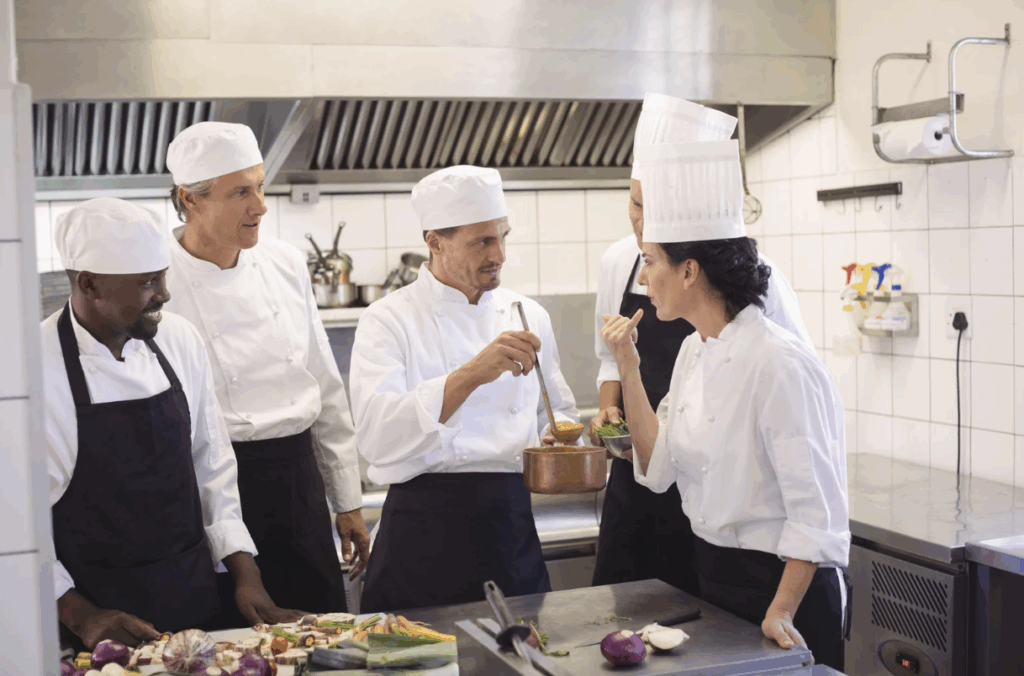
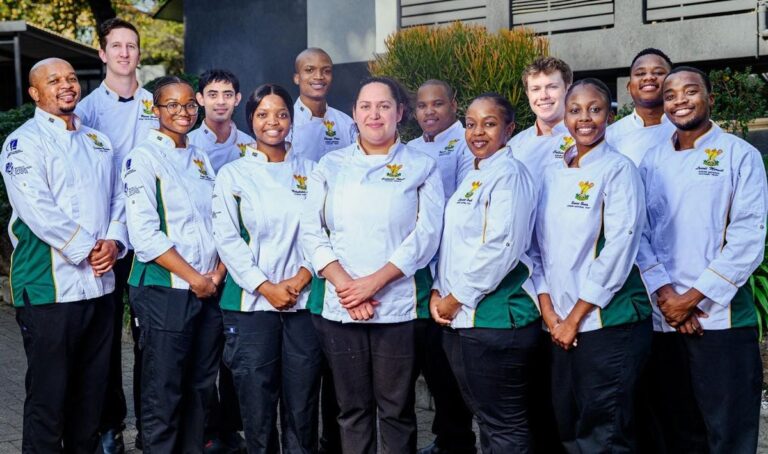
With seven campuses across South Africa and a proud legacy of training top chefs, Capsicum is home to a passionate team of women who are not only shaping the world of food but also challenging outdated norms and carving new paths of leadership.
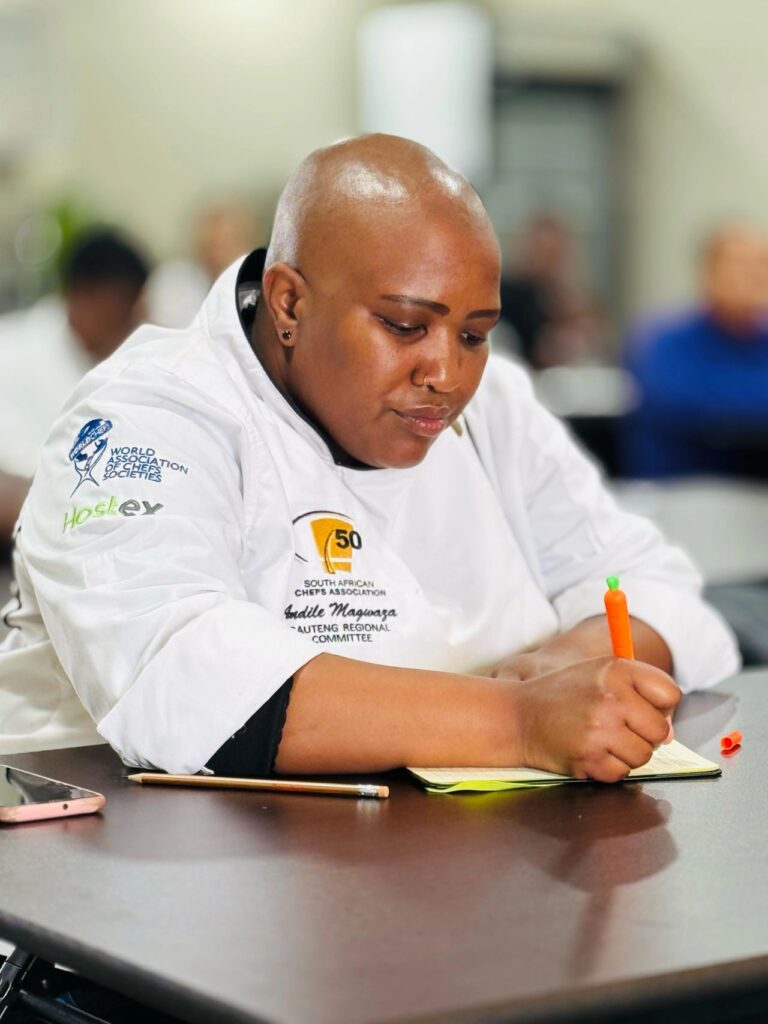
We caught up with several of the school’s powerhouse chef lecturers to hear what it means to be a woman in the culinary world today and what the future could taste like if equity were finally on the menu.
The irony is not lost on Chef Andile Magwaza, who reflects on growing up in a culture that expected women to cook, but not professionally. “Traditional values taught us women belong in the kitchen,” she says, “so it’s an eye-opener to see that professional kitchens are still male dominated. But being a nurturer helps me make the kitchen a creative and kinder space.”
Chef Cassey Goliath echoes this sentiment, noting how women are challenging the status quo.
“The culinary world is tough and often male- dominated, but we rise above. We lead, inspire and break barriers,” she says. Whether it’s Chef Larozaan van Zyl using her platform to “challenge stereotypes and shape a more inclusive food system” or Chef Sharon Pye, who finds her culinary joy in the simple act of gathering people at a full table, the women at Capsicum are proof that the definition of a chef is growing more inclusive by the day.
For Chef Tendani Tshikovhi, the kitchen is not just a workplace, but a powerful place to push for change: “Being a female chef in a male-dominated industry means I challenge stereotypes and strive for equal opportunities. Women play a significant role across the food system, from production to consumption.”
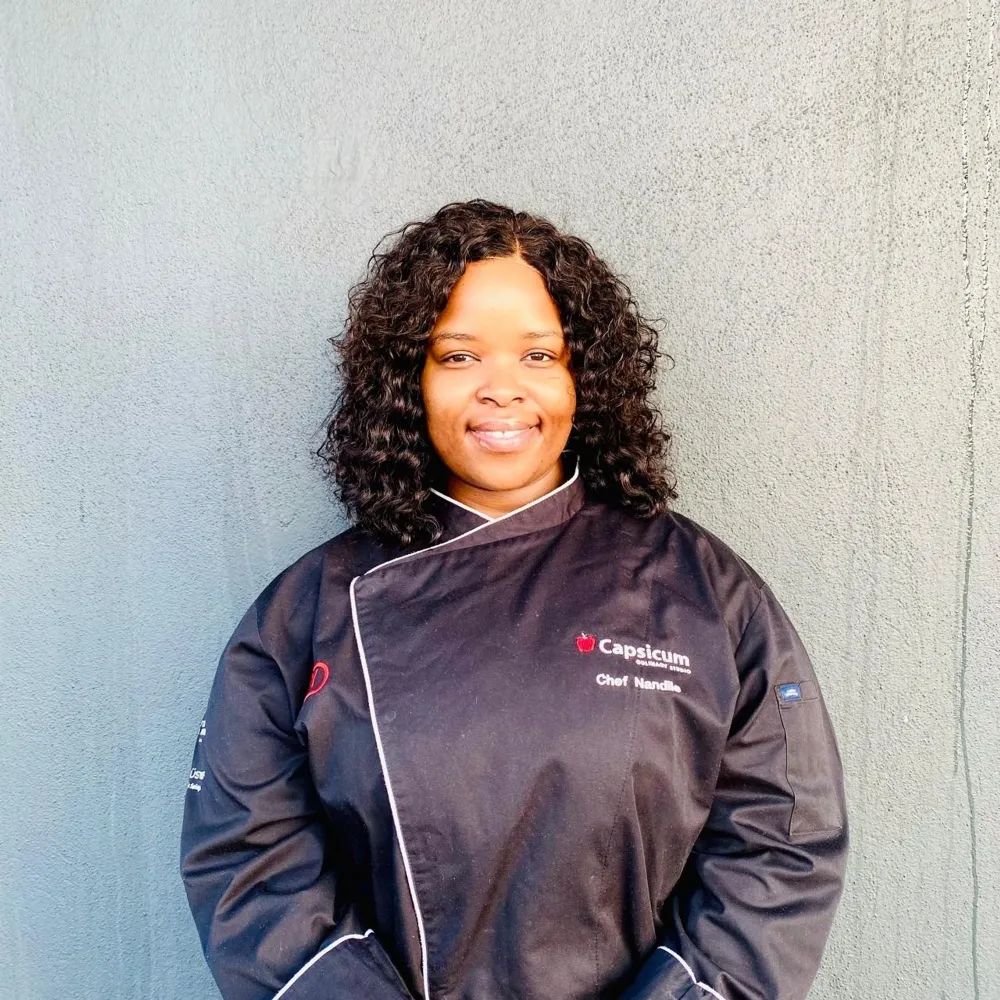
Despite the progress, many of the chefs admitted the road to where they are today was far from smooth. “Yes, it was definitely tougher,” says Chef Magwaza. “I had to let my work speak for itself before I was even allowed a voice at the table.” Chef Nandile Mtshaha adds: “Kitchens are still not a good place for women. We weren’t considered for promotions. Men climbed the ranks quicker and easier.”
It’s a reality that Chef van Zyl believes is slowly changing but only because women have refused to accept less. “The industry has historically excluded us from leadership. I’ve had to prove myself more, navigate bias, and build resilience. But now, I use my position to pave the way for others.” Some, like Chef Sharon Pye, faced a different hurdle: age. She entered the culinary world later in life, inspired by legends like Julia Child. “It wasn’t my gender that made the journey hard, it was starting later. But passion drove me. And the kitchen welcomed me, eventually.”
For others like Chef Tendani, the strong female presence in recent years helped ease her path. Still, the stats don’t lie and more than 50% of the food industry workforce is female, but less than 25% rise to leadership.
What makes women indispensable to the culinary world? The answers are as varied as the chefs themselves, but a few themes shine through — empathy, collaboration, creativity and emotional intelligence. “We bring nurturing, empathy and a diversity of emotions that help us navigate challenges without conflict,” says Chef Magwaza. “We lead with empathy, intuition and collaboration,” adds Chef Van Zyl. “These are vital in high-pressure kitchen environments.” Chef Cassey Goliath believes it’s time to recognise the value of these skills not as soft, but as powerful. “Compassion, rooted in emotional intelligence, can greatly improve team dynamics.” 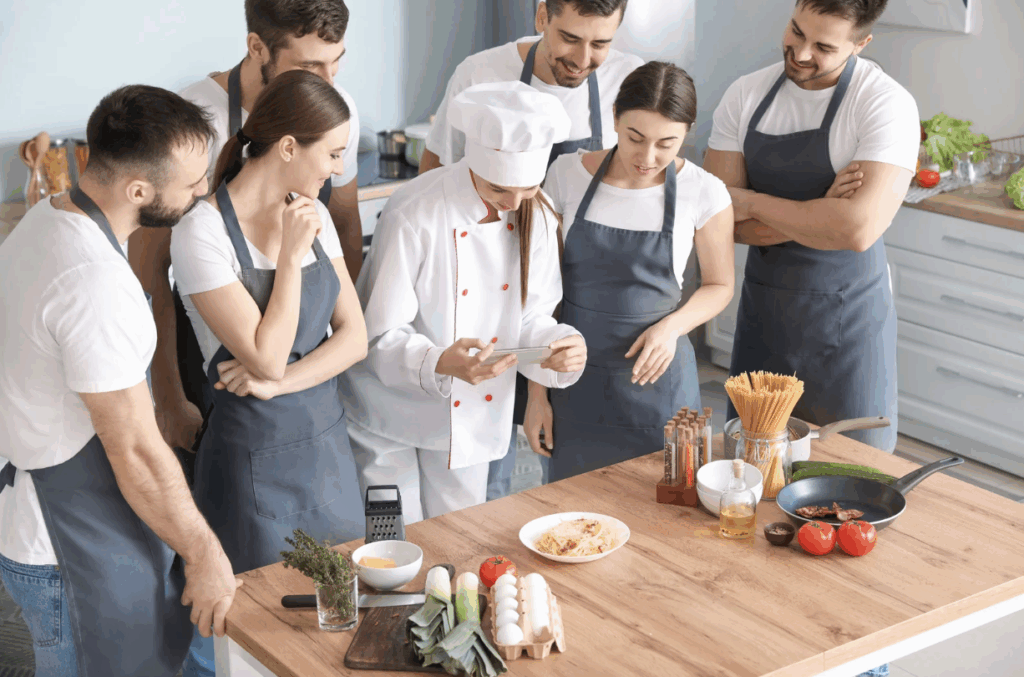
Still, Chef Mandy Sing offers a balanced perspective: “It’s not about which gender is better, it’s about what each brings to the kitchen. We need diverse strengths to create healthy, collaborative spaces.”
So how do we get more women into top-tier positions in food? It starts with access, support, and structural change. “We need mentorship, training, and intentional advancement,” says Chef van Zyl. “It’s not about talent but rather it’s about access to opportunity.”
Chef Magwaza believes confidence is key: “Women need to believe they are capable. The workforce can’t see us as leaders if we don’t.”
Chef Mtshaha takes a more radical stance: “We need movements and organisations that support, protect, and amplify women, especially women of colour. Right now, men are still running the show.”
Chef Pye offers a clear vision: “Fair policies, equal pay and respect for skill — not age or gender — are essential. The future of food is diverse and full of flavour.”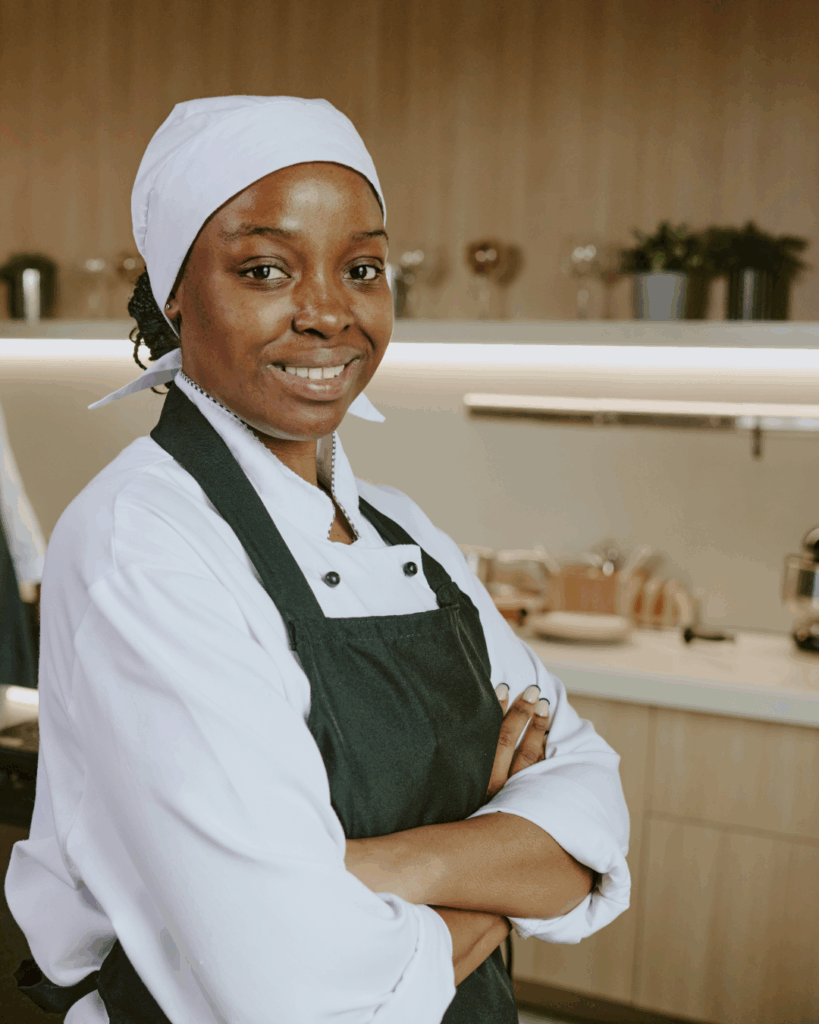
So what’s cooking in the future?
Looking ahead, the chefs at Capsicum are united in their hopes for the next five years. They want to see not just more women in leadership, but a transformation of the kitchen culture itself. “Introduce soft skills programmes to help women find their voices and boost their confidence,” says Chef Magwaza.
“Support startups led by women,” adds Chef Goliath. “Let’s invest in female leadership and innovation.”
Chef van Zyl envisions a future where young women entering the industry won’t feel the need to “toughen up” to be taken seriously. “I want kitchens to be places where women thrive because of who they are, not despite it.”
And finally, Chef Sing leaves us with a powerful metaphor: “In the past, we asked for a seat at the table. Now, we’re building our own. And this time, we decide what’s being served.”
This Women’s Month, it’s clear that Capsicum Culinary Studio isn’t just training chefs, it’s nurturing changemakers, women who are reimagining the food industry from the inside out, with courage, creativity and a call to action that can’t be ignored.
Here’s to a future where the kitchen belongs to everyone and where every voice has a place at the table.
FAST FACTS
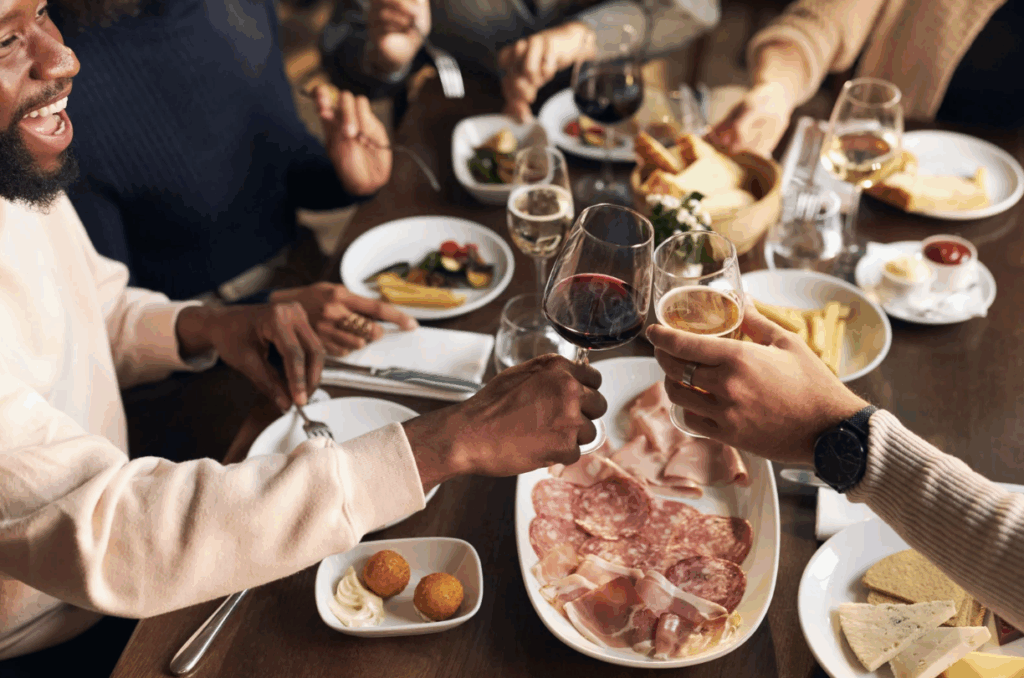
- Women make up over 50% of the food industry’s workforce yet hold less than 25% of senior leadership roles.
- The hospitality industry is among the top five employers of women in South Africa.
- Capsicum Culinary Studio is South Africa’s largest chef school, with over 20 years of training excellence.
Diarise Capsicum Culinary Studio’s forthcoming Open Days happening on, September 27, October 25 and November 29. These will take place between 09h00 and 12h00 at each of the school’s seven campuses.
For more details contact: [email protected]; telephone 086 111 2433 or visit capsicumcooking.com.
Social media:
- Facebook: @capsicumcooking
- Instagram: @capsicumcooking
- YouTube: @Capsicumcooking
- Linked In: @capsicum-culinary-studio

Leave a comment