
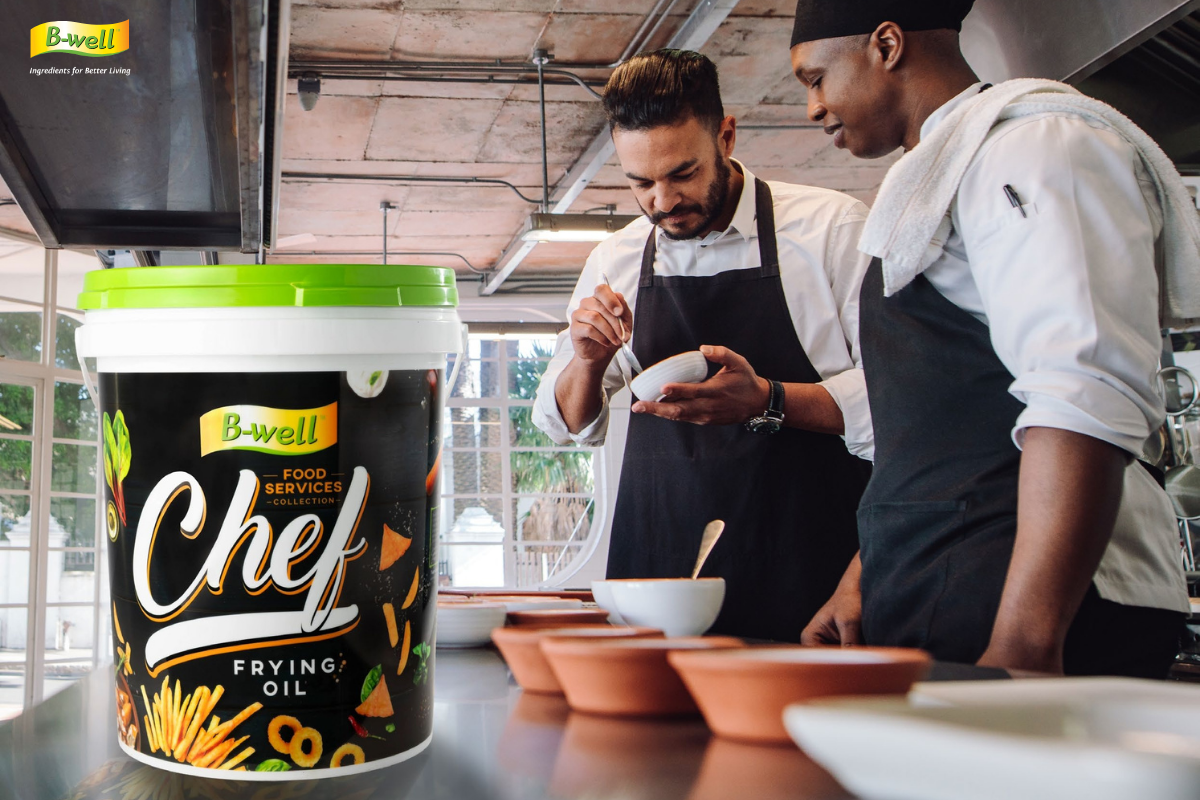
YES CHEF Tricks of the Trade: What recent frying trials reveal about oil performance in the kitchen.
Every chef knows the fryer is one of the hardest-working stations in the kitchen. It’s where consistency is tested shift after shift, and where food can go from perfect to problematic in seconds. But behind the sizzle, there’s more happening than meets the eye — and sometimes it takes stepping back to see just how much difference oil performance can make.
When Numbers Back Up Experience
Chefs can taste when an oil holds better: food comes out lighter, crispier, and with a cleaner flavour. What recent controlled frying trials show is just how measurable those differences are.
In tests comparing three common oils — sunflower, palm olein, and a professional blend — the results were clear:
- Frying Life: One oil lasted up to15.5 days of continuous cycles before breakdown, outlasting competitors by several days.
- Chips Fried: In that time, the same oil produced 84kg of chips, compared to 65kg and 48kg from others. That’s 20–35% more portions before the fryer needed a reset.
- Oil Uptake: Food fried in the better-performing oil absorbed just 3.6% oil, compared to nearly 5% in others. The taste difference? Noticeable. The cost saving? Significant.
For chefs balancing food quality with tight margins, those numbers aren’t theory — they’re ammo. They confirm what many kitchens already sense: some oils stretch further, hold steadier, and keep food crisp without weighing it down.
Beyond the Oil Bill
It’s easy to think of frying performance as a cost-per-litre conversation. But the knock-on effects matter too:
- Energy Use: Shorter frying times mean less energy burned across multiple shifts.
- Staff Flow: Fewer top-ups and cleaner batches keep the line moving without interruption.
- Plate Consistency: Food that looks and tastes the same from the first order to the hundredth builds diner trust.
These are the hidden savings — the ones that don’t show up on an invoice but that every chef feels when service runs smoother.
Tricks That Stand the Test of Service
The best kitchens know these insights don’t replace skill — they sharpen it. Some call them golden rules, others call them habits, but they’re universal:
- Fry at the right temperature so food seals instead of soaking.
- Skim and filter daily to give oil its best chance atlasting longer.
- Respect the load — too much food at once cools the oil and breaks the rhythm of service.
None of this is new. What’s new is seeing how these practices, paired with oil engineered for stability, multiply the results.
Proof on the Plate
This month’s featured dishes tell the story in practice:
- Bhajis that come out crisp, not greasy, proving how oil uptake changes the diner’s experience.
- Tandoori wings that hold their crunch under pressure, showing how stability handles high-fat loads.
- A chickpea salad with mayo dressing that reminds us allergen-free isn’t a compromise, but a menu expectation chefs now meet with creativity.
Each dish highlights the same point: when oil lasts longer and absorbs less, it elevates the food and lightens the load on the kitchen.
Why It Matters Now
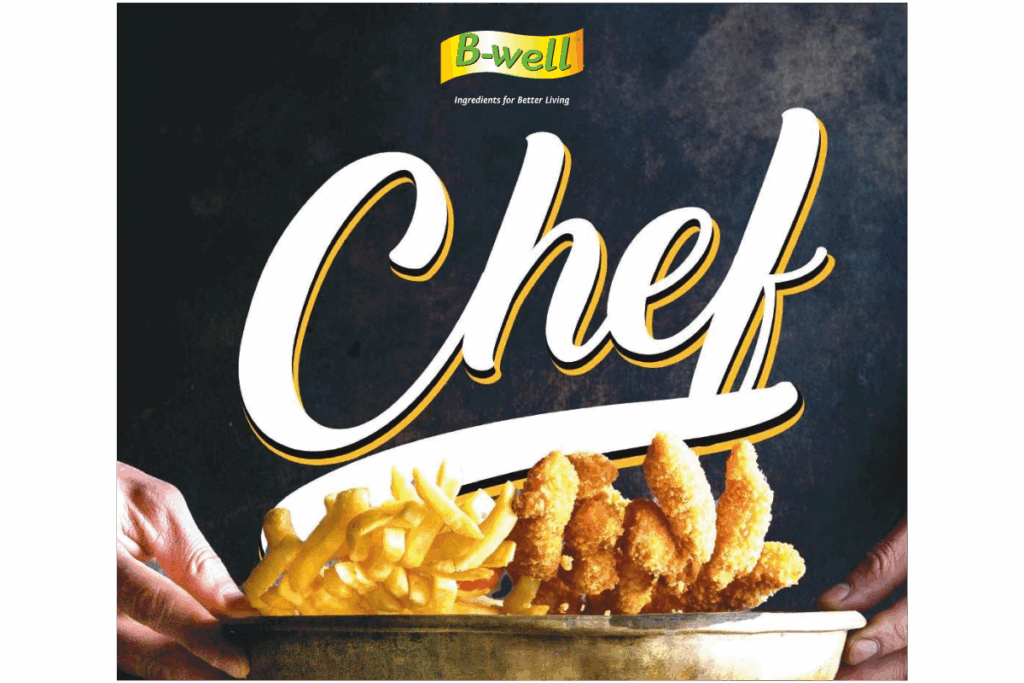
Chefs don’t need telling how to fry. What matters is having evidence that backs up what they already know — and tools that help them prove it. When an oil stretches further, saves up to 40% on cost, and gives food the crunch diners crave, it becomes more than a cooking medium. It becomes part of the craft.
And that’s the kind of insight that earns a nod across the pass.
WORK WITH B-WELL
To find out how much B-well Chef Frying Oil can save you and your business, contact the team at Southern Oil. We can assess your oil usage, coordinate a test run with B-Well Chef and letyou decide if it is worth the switch.
www.bwellfoods.co.za
Tel: 028 514 3441 |
Email: [email protected]
@bwellfoods


Leave a comment