
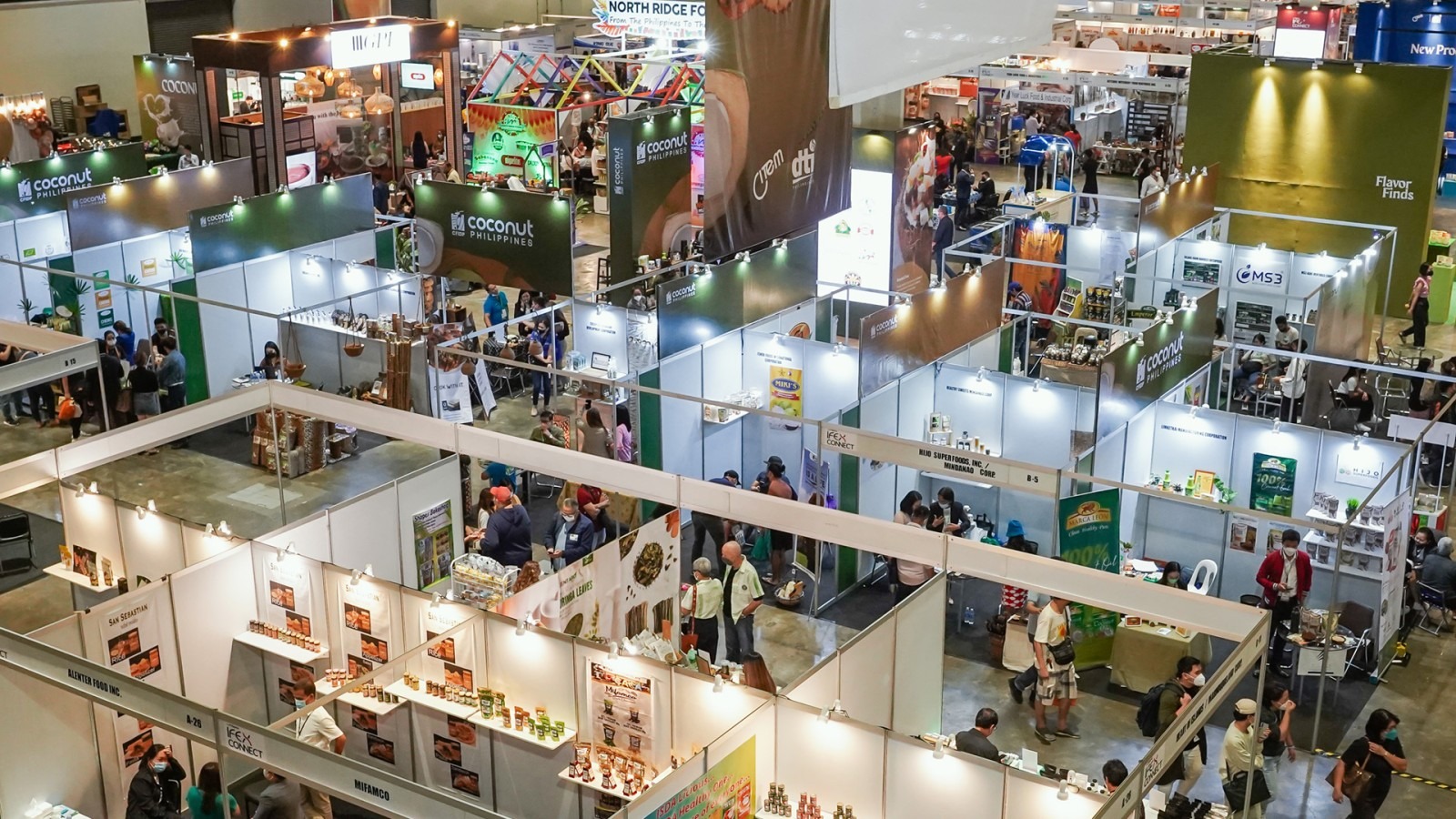

Walking the floor at Gulfood 2026 or reading the latest Mintel globalforecasts, one massive theme dominates the international food and beverage sector: the pivot from novelty to absolute resilience. Global operators are abandoning short-term fads to obsess over operational maturity, ingredient diversity, and supply chain security.

When a global trend relies on a flawless and uninterrupted supply chain, how do we make it work in South Africa? We strip it down, adapt it for a volatile grid, and make it profitable.
The 2026 Global Pulse is not about hype. It is about survival and margin protection.
The Diverse Plate: Moving Beyond Protein in the 2026 Global Pulse
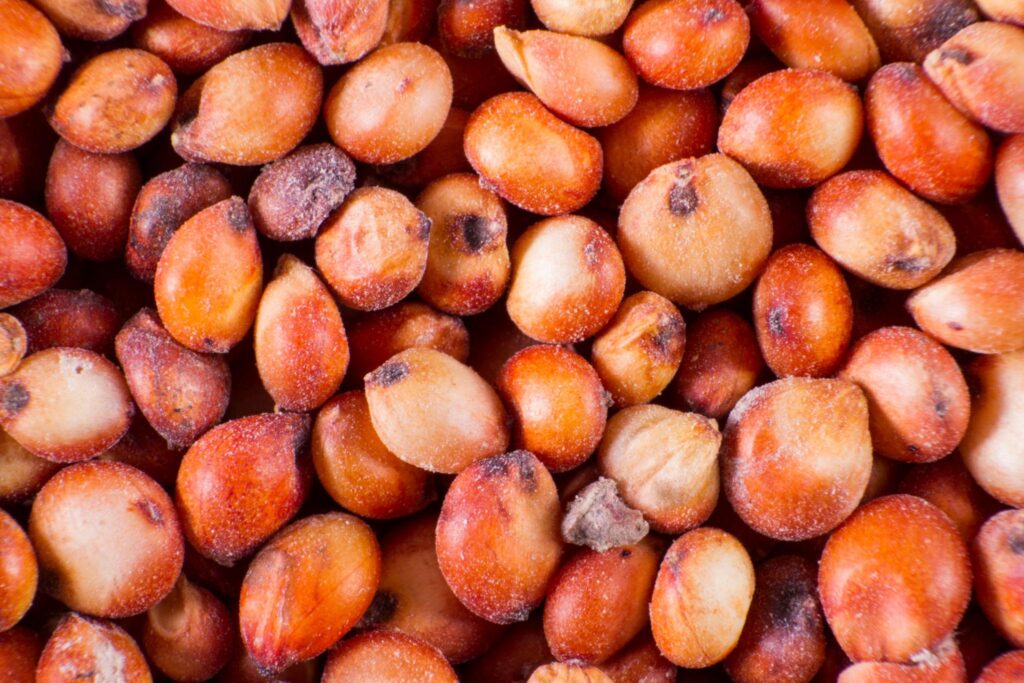
Globally, the obsession with simply maxing out on protein is ending. International consumers are demanding dietary diversity. They are pushing towards a model featuring varied legumes, native grains, and seaweeds.
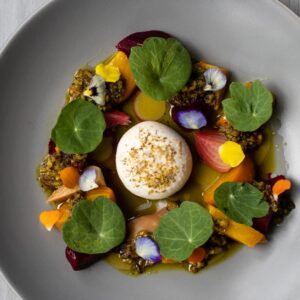
In Sandton and Cape Town, executing this is a margin-saving masterstroke. With premium meat costs spiralling due to feed and transport inflation, a diverse and plant-heavy plate is no longer just for vegan diners. It is a fundamental food cost strategy.
The SA Adaptation: Local chefs are swapping expensive imported starches for resilient, drought-resistant grains like sorghum.
The Margin Play: By elevating legumes and heritage crops, kitchens protect their bottom line while delivering the global health through variety trend.
Retro Rejuvenation: The Preservation Revival in the 2026 Global Pulse
The international market is seeing a massive return to ancestral techniques. Fermenting, pickling, and curing are being celebrated in Michelin-starred kitchens from Copenhagen to Dubai as a nod to heritage and zero-waste sustainability.

For a kitchen in Durban or Pretoria, preservation is not a romantic nod to the past. It is a critical line of defence against load shedding.
The SA Adaptation: When the cold chain is constantly under threat from grid instability, extending the shelf life of highly perishable produce is non-negotiable.
The Margin Play: We use fermentation and curing to capture seasonal gluts. We turn potential food waste into high-value pantry assets that do not require continuous refrigeration.
A global trend only matters to us if it can survive a broken cold chain and a local power cut.
Intentionally Sensory: High-Impact Emotional Dining and the 2026 Global Pulse
The Mintel 2026 report highlights an aggressive move towards intentionally sensory dining. Diners are seeking an escape from a stressful world through hyper-tactile, aromatic, and visually striking food experiences.
Overseas, this often involves expensive tableside tech or imported luxury garnishes. South African diners are equally stressed and desperate for escapism. Smart Exec Chefs are delivering this hit through low-cost, high-impact local elements.
The SA Adaptation: Smart kitchens are delivering sensory hits through tableside smoking with indigenous fynbos or playing with dramatic temperature contrasts.
The Margin Play: You elevate the perceived value of a R250 dish through aromatics and texture. This allows you to charge a premium without relying on expensive imported truffles or caviar.
Our Unfair Advantage in the 2026 Global Pulse

This is exactly why South African chefs consistently punch above their weight on the global stage. We do not have the luxury of perfect logistics, subsidised agriculture, or uninterrupted utilities.
We are forced to dissect global trends. Also, we stress-test them against our brutal local constraints. We rebuild them to be leaner and more profitable. That agility is our ultimate superpower.