

Do Trade Shows Still Matter? Evaluating the Impact of WTM Africa and Africa’s Travel Indaba 2025
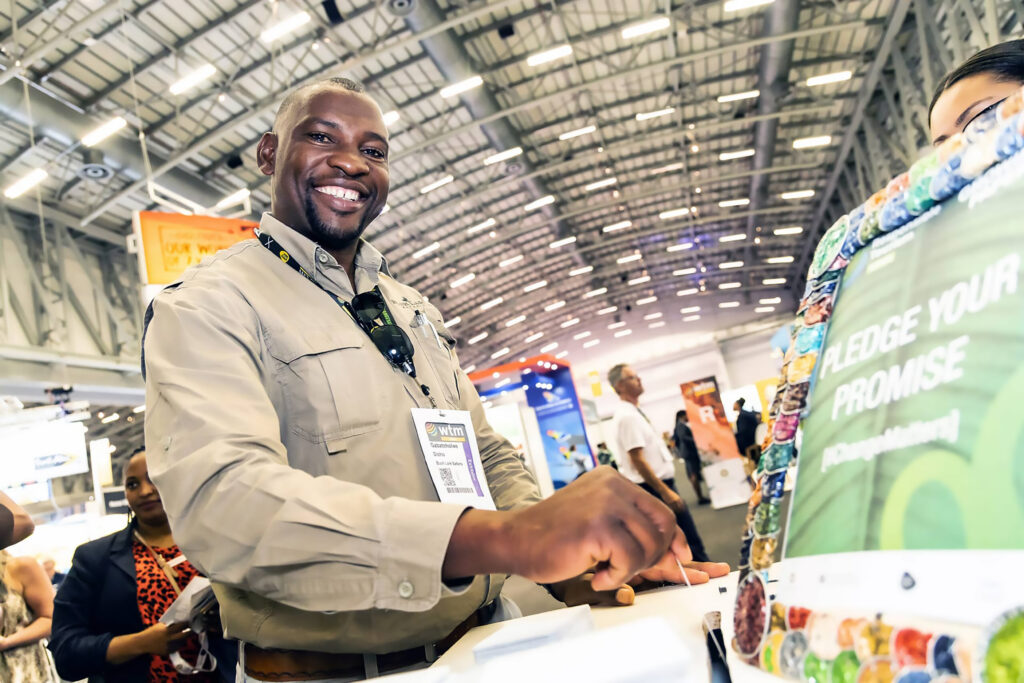
In a world of Zoom meetings, AI-powered matchmaking tools, and overflowing inboxes, one might wonder: do traditional trade shows still hold water—particularly in the B2B (Business to Business) travel sector? The answer? A resounding YES! WTM Africa (World Travel Market Africa) and Africa’s Travel Indaba prove that in-person connections remain invaluable.
South Africa’s travel trade expos have staged a strong comeback post-COVID era, reaffirming their importance in the industry. Exhibitors and buyers alike have praised
WTM Africa and Africa’s Travel Indaba 2025 as commercially valuable, relationship-driven platforms that play an important role in boosting inbound travel to the continent. These events provide space for networking, deal-making and showing off Africa’s diverse tourism offerings to a global audience.
However, challenges remain. As South Africa’s trade shows continue to evolve, comparisons to global industry giants like ITB Berlin and WTM London persist, serving as benchmarks for further growth and refinement. While these international expos have larger exhibitor bases, broader global reach, and extensive media coverage, South Africa’s events are defining their own niche—one that highlights the continent’s unique travel experiences and encourages deeper connections within the African tourism sector.

WTM Africa, held annually in Cape Town, and Africa’s Travel Indaba, hosted in Durban, have long been central to South Africa’s tourism marketing strategy, connecting the continent’s travel industry with global buyers. After a pandemic-induced hiatus and slow recovery period, both events now report higher attendance figures, improved buyer quality, and stronger B2B outcomes.
According to RX Africa, the organiser of WTM Africa, the 2024 edition saw a 35% increase in buyer attendance compared to 2022, with similar growth reported for 2025. Meanwhile, SA Tourism reported that Indaba 2025 hosted over 1,200 buyers from 65 countries and facilitated more than 22,000 scheduled meetings.
These figures highlight the growing global interest in African tourism and reinforce the commercial value of in-person trade shows in fostering partnerships, securing deals, and driving inbound travel to the continent. But numbers aside, do these shows translate into real business?
The success of these trade expos is not just reflected in attendance figures; it is evident in the real business generated on the ground. Naomi Bhuda, Inland Regional Sales Manager for ANEW Hotels & Resorts, emphasised the commercial value of Africa’s Travel Indaba, stating: “We had the opportunity to engage with key buyers at Africa’s Travel Indaba who showed genuine interest in investing in South Africa. Approximately 90% of our meetings have already translated into signed agreements.” Bhuda’s perspective is echoed by Anke Kleinhans, Head of Sales & Marketing at Cape Country Routes, who noted, “Some of our hotel’s meetings did translate into new contracts, group series bookings, and new booking enquiries. From a ‘new contact’ point of view, the cost of exhibiting was definitely justified.”
The financial viability of exhibiting at these events is clear. Minor Hotels’ Regional Director Lindi Mthethwa highlighted this, stating, “The pipeline generated during the show—spanning the next 12 to 18 months—more than covers both the exhibition and travel expenses for our team.” Suzanne Benadie, Sales Director at Sense of Africa South Africa, added that Indaba 2025 was, “A pivotal platform for us to engage with our existing tour operators in certain source markets, mainly Switzerland, Germany and Austria.” The event allowed them to showcase updated branding and promote offerings across their adventure, retail, and inbound tourism arms.
These outcomes point to a core strength of Africa’s top trade shows: they are not just about exposure—they are about closing deals, building partnerships, and securing future growth. One common thread across all four exhibitors interviewed is the high calibre of buyers attending WTM Africa and Africa’s Travel Indaba 2025.
“The profile of buyers is good, and the majority of them are decision-makers committed to selling South Africa,” said Kleinhans. Bhuda reinforced this: “Most buyers we engaged with were genuinely qualified and decision ready.” Mthethwa observed a healthy mix, with both decision-ready agents and newer entrants to the Africa market exploring fresh product.
Benadie noted that the buyers they met were senior decision makers for product selection and supplier choices, many of whom were long-term clients. This indicates a strong retention of quality buyer relationships, even as the industry adapts post-COVID.
Hosted Buyer Programme: Still Worthwhile, But Room to Improve
Though not all exhibitors participated in the hosted buyer programme, those who did found significant value in the initiative. ANEW Hotels and Sense of Africa both reported value in the programme—but flagged areas needing better planning. Benadie recounted that a key hosted buyer from Brazil was unable to attend due to flight availability, and a few meetings were missed. Despite these setbacks, she remains optimistic about its potential in the programme: “With some refinements, it has strong potential to deliver meaningful connections and commercial opportunities,” she explained.
Kleinhans and Bhuda echoed this sentiment, calling for better diary coordination and a balance mix of new and returning buyers. The consensus: keep the programme but tighten the logistics. As WTM Africa and Africa’s Travel Indaba continue to refine their offerings, optimising scheduling, buyer selection, and overall coordination could make the Hosted Buyer Programme an even more effective tool for securing high-value business connections.
When measured against their international counterparts—ITB Berlin, WTM London, and Arabian Travel Market—both WTM Africa and Indaba hold their ground, albeit with room to improve. “These two shows remain very important as they are Africa-focused and the target audience is most relevant to what we intend to showcase,” said Kleinhans. However, she added, “From an organisational point of view, one can learn from other international Shows.” Mthethwa was more pointed: “Indaba may not be as big or as organised as global shows, but it still brings buyers across the globe to engage in business promoting Africa.”
Bhuda offered a nuanced comparison: “WTM Africa and Indaba are more relationship-driven, culturally relevant, and often more effective in converting engagement into business within the African context.”
Benadie echoed this regional value proposition but emphasised: “Improved advance planning for Indaba would significantly enhance its value, allowing buyers to confirm their participation for 2026 with greater confidence and sufficient lead time.”
Refining the Hosted Buyer Experience: Key Exhibitor Recommendations
While exhibitors were largely positive, their recommendations for improvement were clear and consistent:
- Better logistics: Kleinhans noted that improved diary coordination saved time and boosted the quality of meetings, thus emphasising the need for more efficient scheduling.
- Pre-scheduling enhancements: Bhuda suggested more targeted matchmaking tools to reduce wasted meetings and ensure exhibitors connect with the most relevant buyers.
- Earlier confirmations: Benadie urged earlier buyer confirmations and better flight coordination, ensuring international participants attend without logistical hurdles.
- Stronger leadership and planning: Mthethwa summed it up and said that the leadership and organisers must plan better.
These are not minor grievances—they reflect growing expectations from exhibitors who see trade shows as strategic business tools, not just marketing spectacles.
So, do Trade Shows still matter? For South African tourism businesses, the answer remains yes—with caveats.
Trade shows like WTM Africa and Indaba 2025 continue to deliver significant commercial value, particularly for companies focused on inbound travel and regional partnerships.
The Africa-centric focus, qualified buyers, and face-to-face format still outperform virtual alternatives in many respects. But to keep pace with international standards, organisers must refine the logistics, sharpen the structure, and deepen commercial facilitation.
As Suzanne Benadie put it: “With some refinements, these shows have strong potential to deliver meaningful connections and commercial opportunities.”
And that, in today’s competitive travel economy, is more relevant than ever.


Leave a comment