
Technology
We Pulled the Plug
In the early months of 2026, the South African hospitality sector is breathing a cautious sigh of relief. With load shedding effectively suspended for nearly a year, the hum of generators has faded into the background. But for the modern restaurateur, a new and more silent threat has emerged: the digital blackout.
While the lights stay on, our dependence on the cloud has reached an all-time high. We have traded power outages for fibre breaks and digital load shedding. These are the moments when a terrestrial cable is severed or an undersea fault sends local latency through the roof. In this landscape, a POS system that relies entirely on a live heartbeat to the cloud is no longer just a technical choice: it is a gamble with your Friday night service.
The Myth of Permanent Connectivity
The global shift toward cloud adoption is built on the assumption of always-on infrastructure. In South Africa, we know better. Even in a 2026 where the grid is stable, a localized fibre outage in a major urban hub or a surge in network congestion on 5G can turn a sleek digital operation into a chaotic mess of manual slips and system down apologies.
Resilient operators have moved past the cloud-only hype. They are prioritizing fail-safe hybrid models. These systems treat the cloud as a vault for data, but the local network remains the engine of the kitchen.
The Friday Night Test
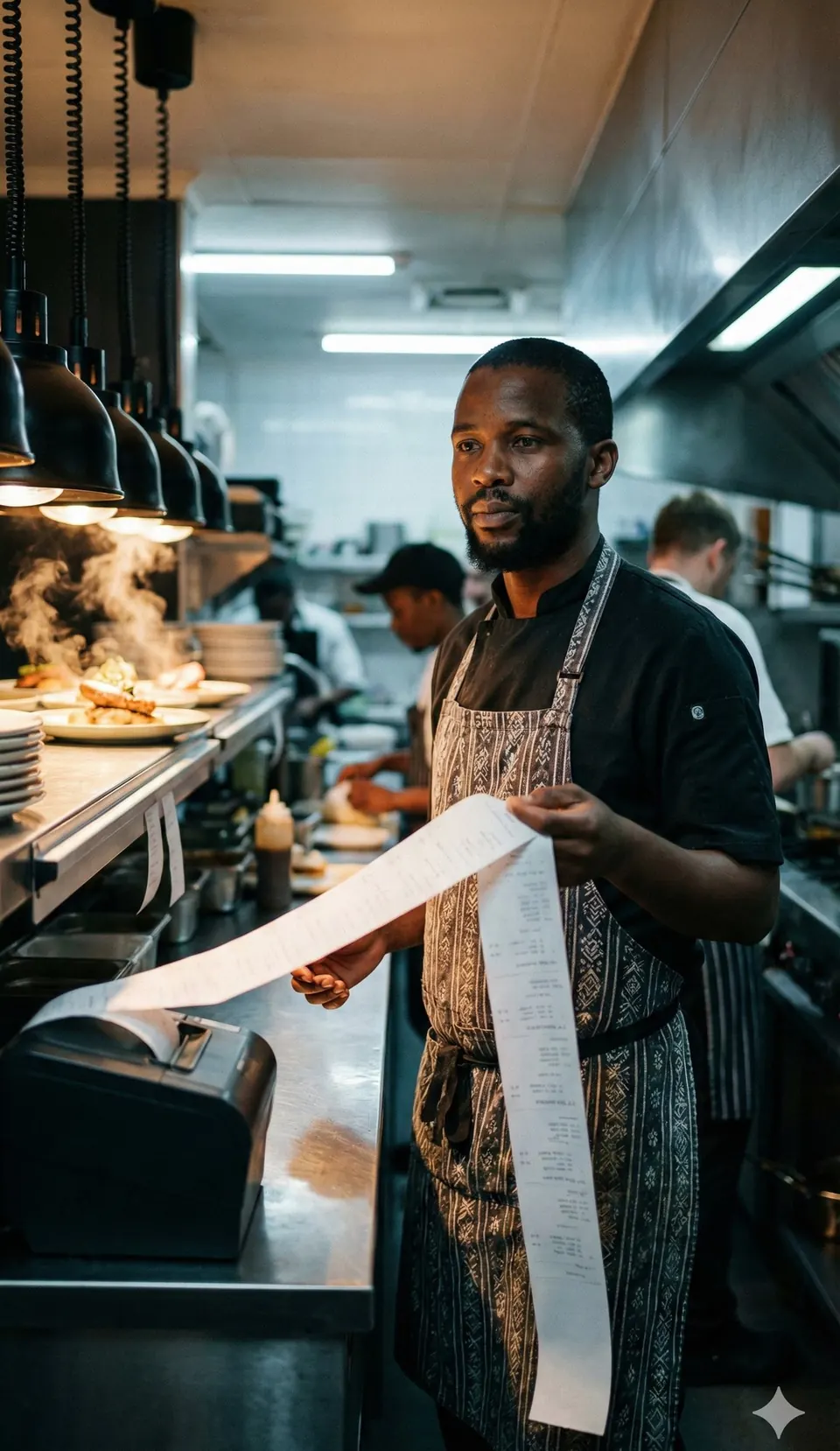
Picture the peak of a weekend service. The pass is a forest of tickets, and the floor is buzzing. Suddenly, the offline notification flashes on your terminal. In a legacy cloud system, this is where the wheels come off. Orders stop printing, payments hang, and the rhythm of the kitchen is shattered while the system reboots.
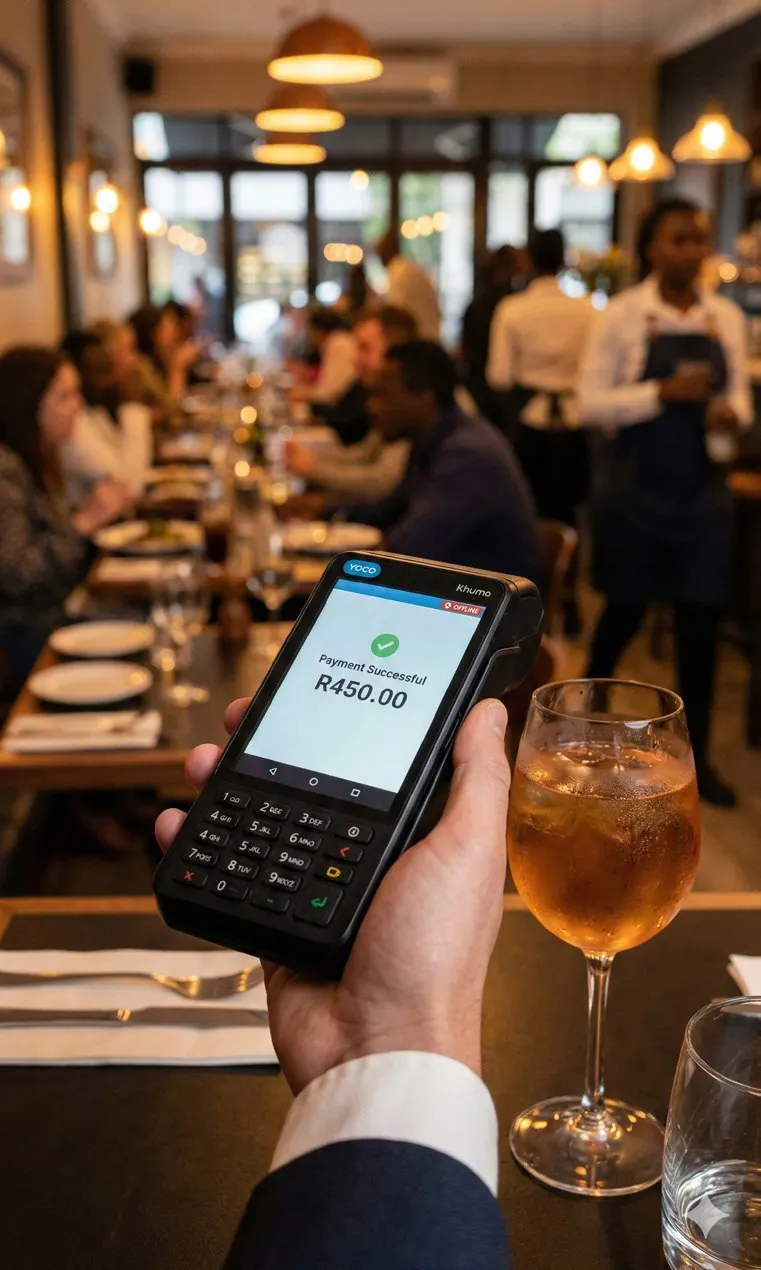
A truly fail-safe system makes this transition invisible. The data stores locally on your hardware the millisecond the connection drops. The tickets keep firing, the mains away calls keep coming, and your servers do not lose a second. Resilience means that whether it is a power surge or a severed fibre line, the guest experience remains untouched.
Data Integrity and the Silent Sync
The real danger is not just the outage; it is the recovery. When the external world finally reconnects, a surge of pending data hits your servers. This is the moment where ghost orders and duplicate billing occur.
For management, this is a legal and reputational minefield. Under the 2026 regulatory environment, with SARS finalizing its transition to fully digital real-time tax reporting and the Information Regulator tightening POPIA enforcement, your data must be immutable. A system that forgets a round of drinks or overlaps transactions during a sync creates a trust deficit with your guests and a compliance nightmare for your books.
Your 2026 Fail-Safe Checklist
Do not wait for the next digital load shedding event to test your limits. Audit your setup against these non-negotiables:
- Invisible Failover: Your system must switch to local storage in under two seconds without requiring a manual logout or a system restart.
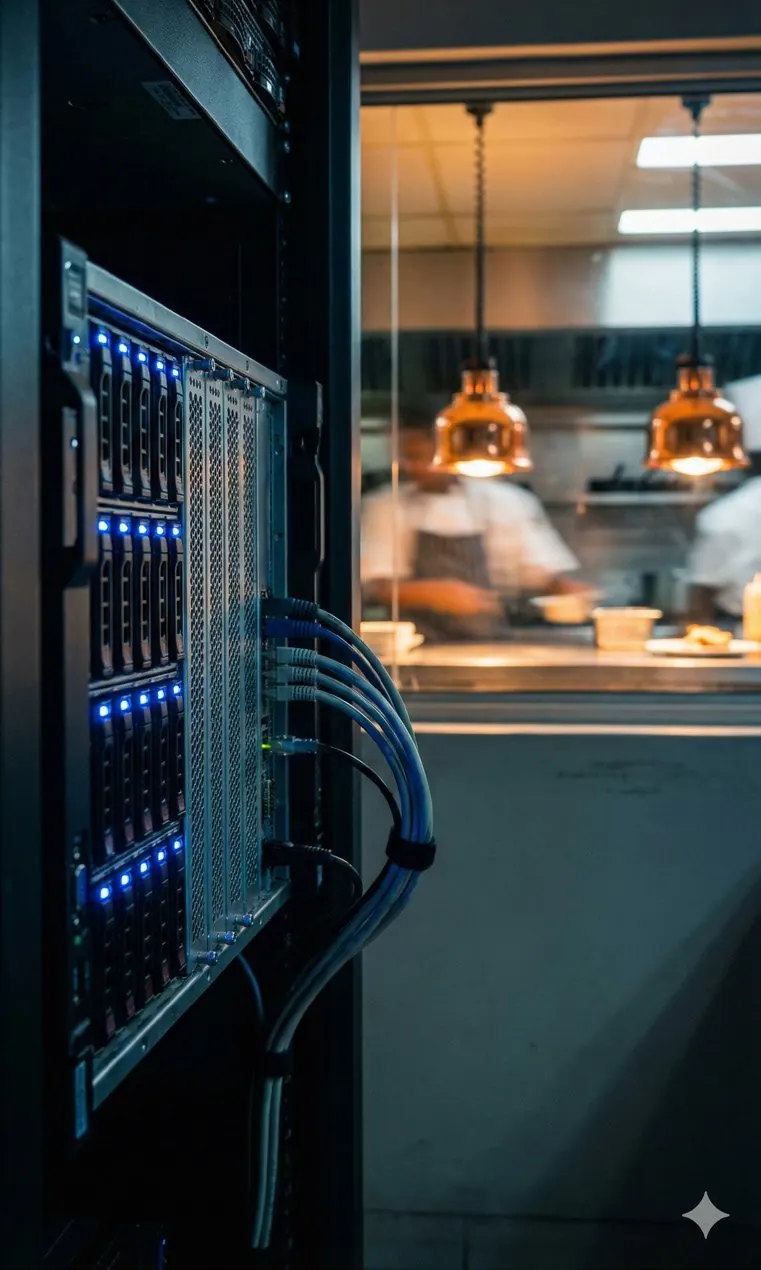
- LAN-First Printing: Ensure your kitchen and bar printers are hardwired to a local area network so they function perfectly even if the outside internet is dead.
- Redundant Backhaul: Consider a dual-WAN setup with fibre as your primary and a high-speed satellite or 5G failover that triggers automatically.
- Offline Payment Buffering: Your integrated card machines must be capable of storing encrypted transaction data for later processing if the bank gateway is temporarily unreachable.