
Technique
Ice Plant Precision
Managing texture and salinity in the modern brigade
Mesembryanthemum crystallinum, known as soutslaai or the ice plant, has moved from a coastal curiosity to an essential technical tool. It provides a mineral salinity and structural pop that no other leaf can replicate. Modern chefs use it to replace traditional salt finishing, offering a burst of oceanic air delivered via a succulent, crunchy vessel.
The science of the shimmer
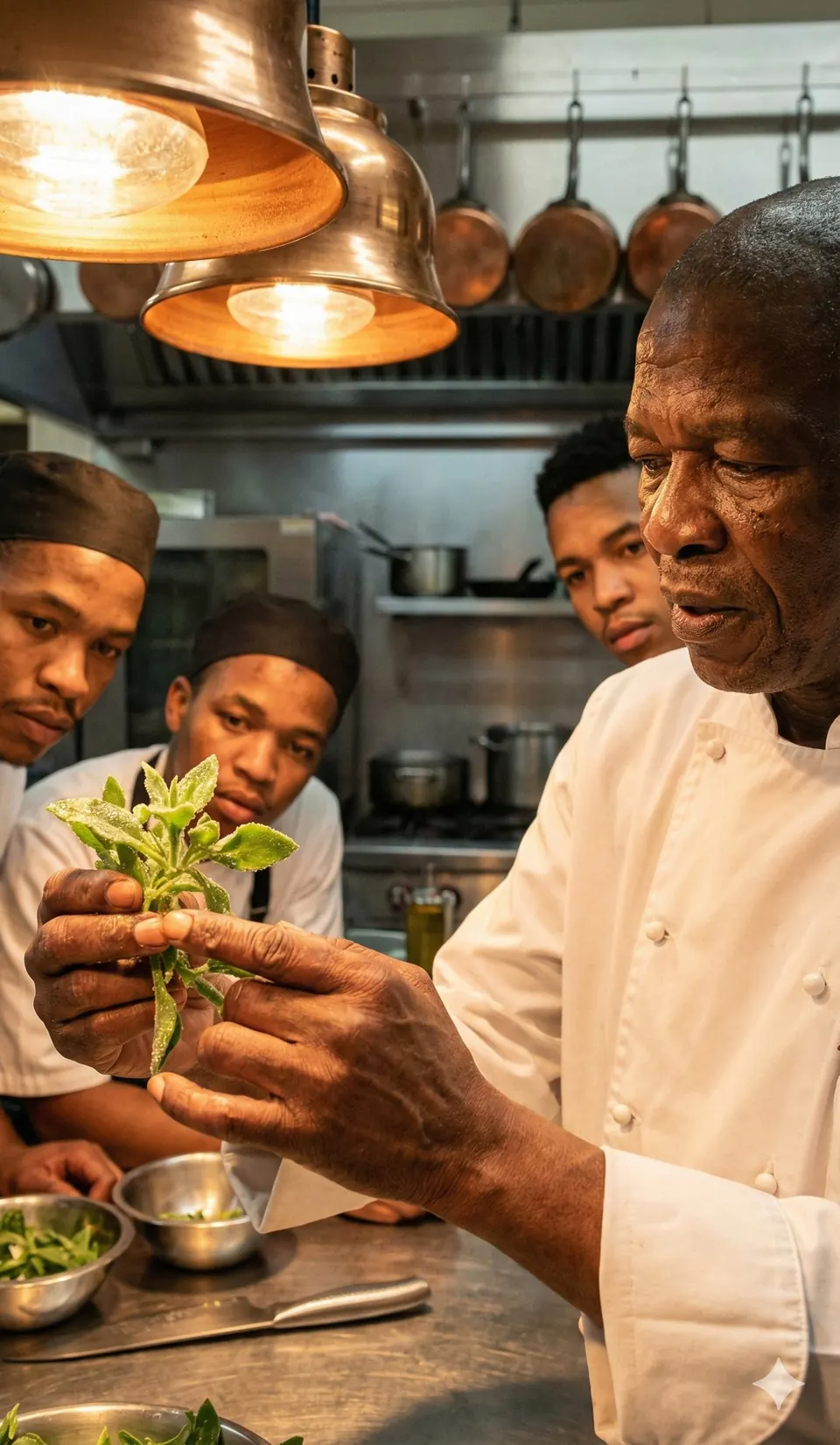
The frosted appearance is created by Epidermal Bladder Cells (EBCs). These specialized, translucent hair structures function as pressurized water reservoirs, storing sodium, magnesium, and organic acids.
These cells are hypersensitive. High heat causes internal pressure to exceed structural limits, leading to a melted appearance. Traditional salt-based dressings trigger osmotic collapse, drawing water out and turning the leaf limp within minutes.
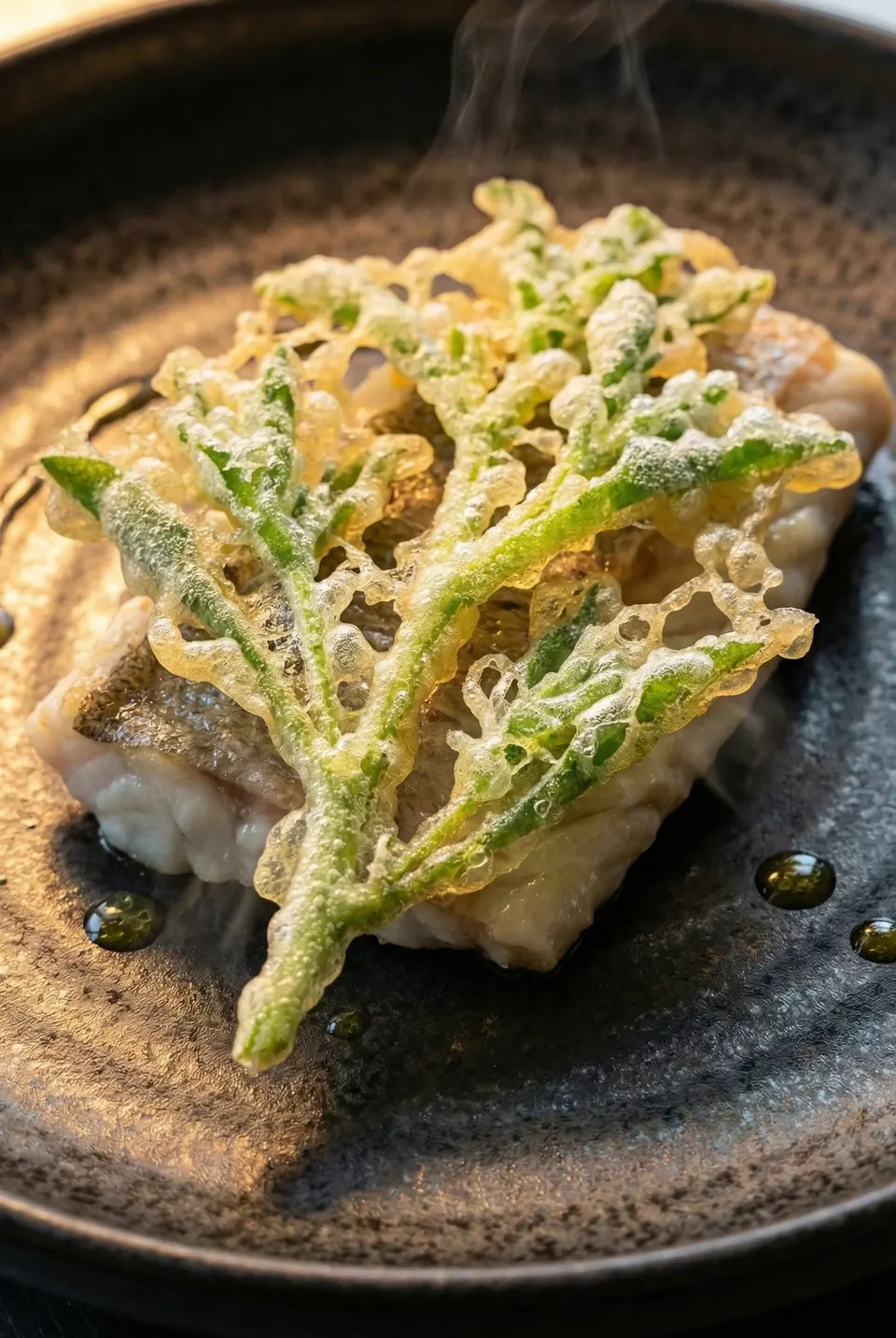
Protective cooking: The tempura paradox
While soutslaai is heat-averse, protective cooking allows for the application of warmth without sacrificing integrity.
By using an ultra-cold, low-gluten tempura batter, chefs create a rapid-set thermal barrier. Flash-frying at 180°C for 15 seconds crisps the exterior while the internal bladder cells remain cool and pressurized. This creates a sensory paradox: a warm, crispy shell followed by a cold, saline burst.
Actionable guidance for the brigade
- Hand-tear only: Metal blades accelerate oxidation. Hand-tear or use whole sprigs to keep pressurized cells intact.
- Late-stage dressing: Add to the plate last. Apply acid in droplets rather than a heavy coating to prevent cell wall degradation.
- Restore turgidity: Submerge limp plants in a 5 percent ice-water bath for 60 seconds to restore the crystalline snap via osmosis.
- Thermal guarding: Never place directly onto hot sauces or resting meats. Residual heat will deflate the bladder cells before the plate reaches the guest.
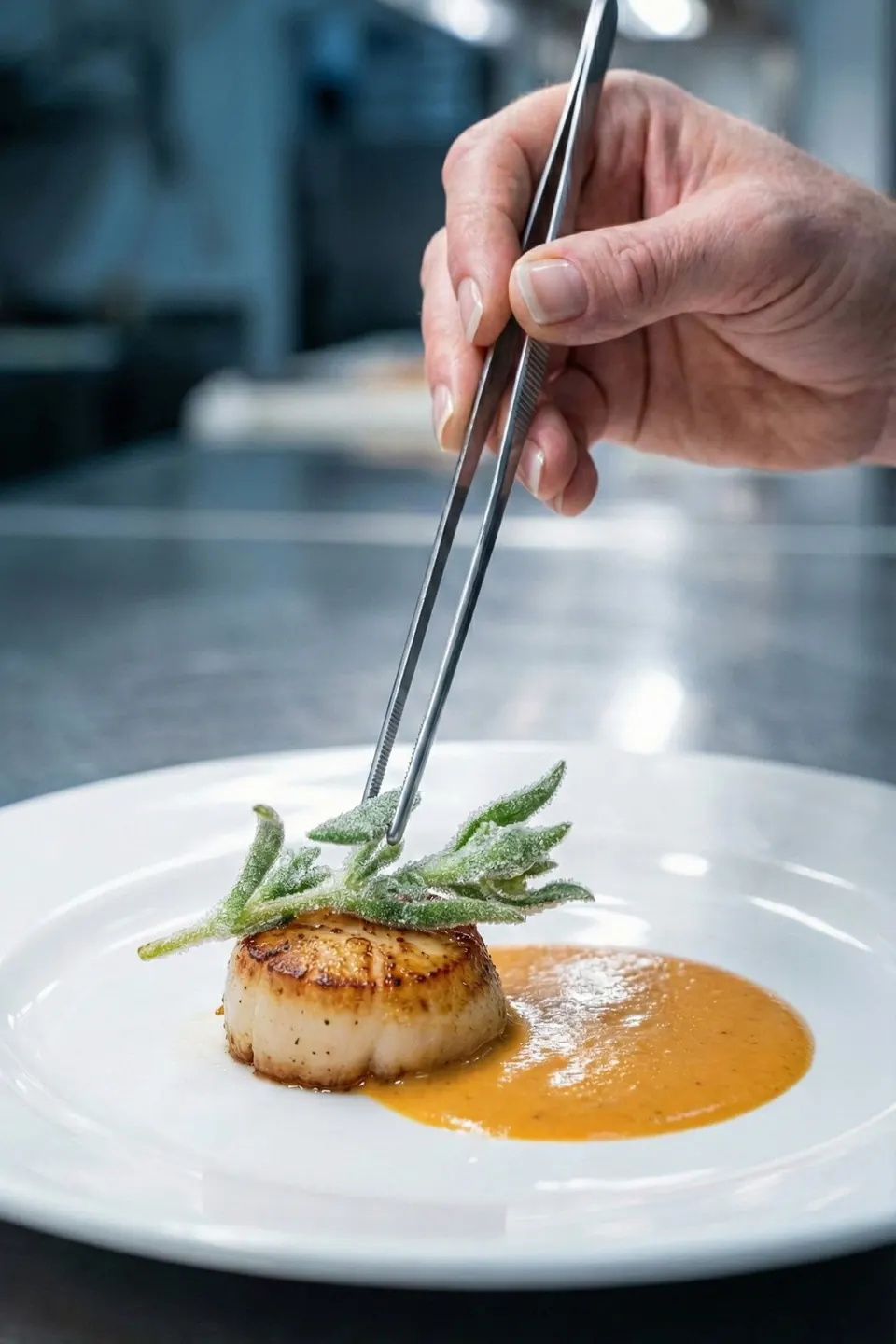
- Precision tools: Use silicone-tipped tweezers for placement. Metal tongs will rupture the delicate droplets.
Waste utility and sustainability
In a professional environment, zero waste is a mark of technical mastery. Use bruised leaves to infuse oils or vinegars. The natural sodium and chlorophyll create a vibrant, saline finishing oil that carries the essence of the coast.
Trusting the wisdom of the land means understanding its biology. When the brigade respects the science of the plant, soutslaai becomes more than a garnish; it becomes a signature of South African technical excellence.