
Technique
Mastering Fire
Controlled Burn, Precision, Not Nostalgia
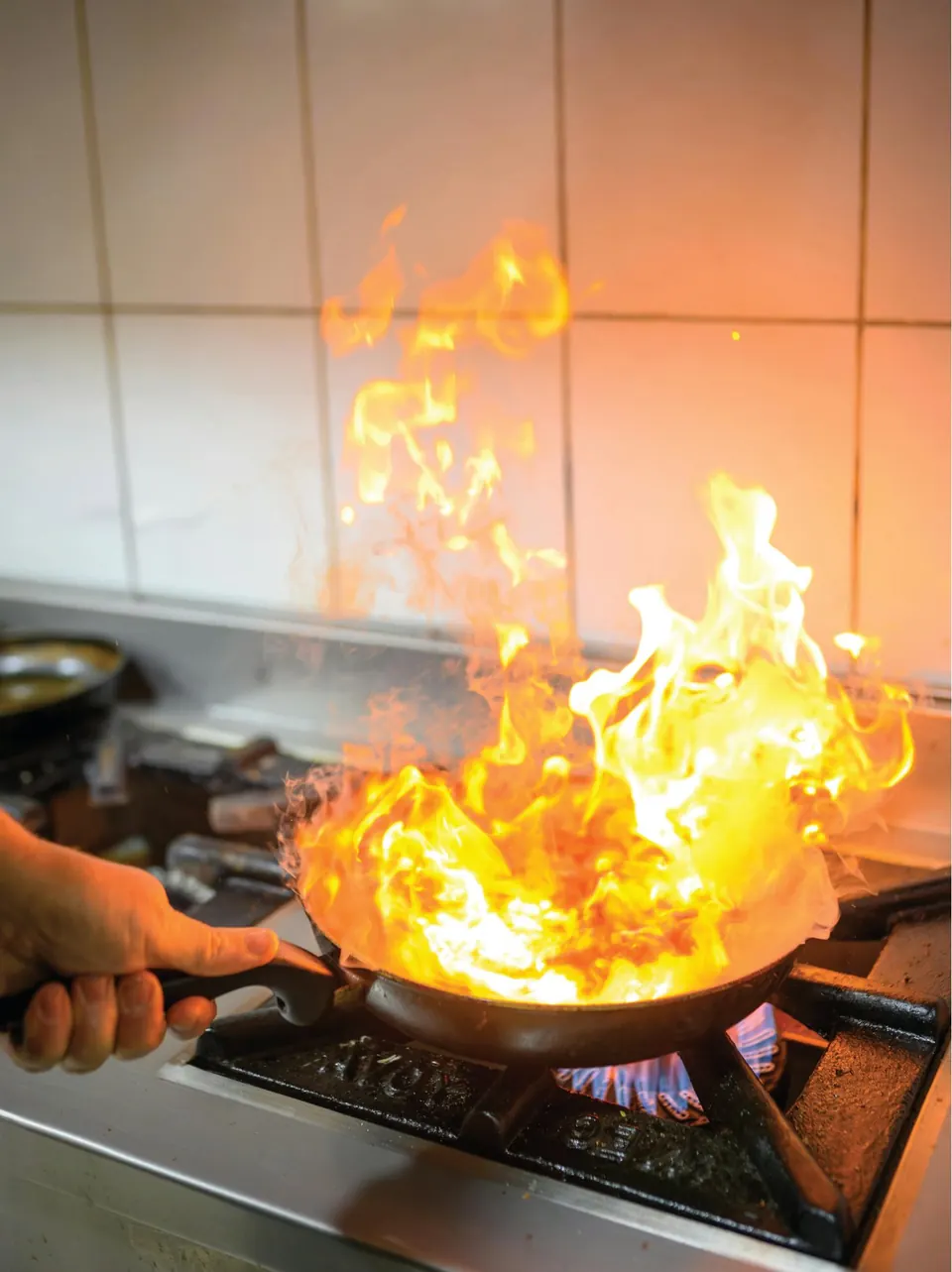
Fire has always been the backbone of the South African culinary identity. But in a professional kitchen, it is not nostalgia – it is discipline. It demands precision, consistency, and vision.
For the home cook, fire is atmospheric. For the chef, it is a tool of texture. It is about taking a primal element and interpreting it with the same technical rigour applied to a sous-vide bath or a combi-oven.
Fuel Dynamics: The Variable
Solid fuel systems do not simply replicate a braai; they redefine it. The choice of fuel dictates the outcome.
- Charcoal is the reliable workhorse. It delivers steady, intense heat with minimal smoke. It is the baseline for consistency, allowing chefs to sear with precision and maintain service flow without unpredictable flare-ups.
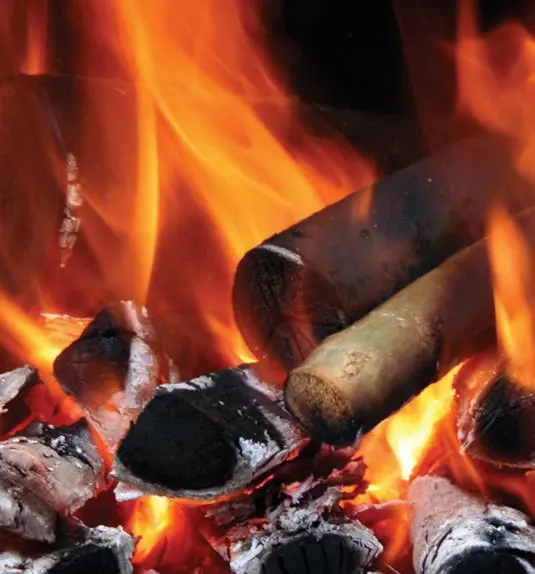
- Wood is the artist. It burns hotter and wilder, offering layers of aroma that change with the species – rooikrans, oak, or fruitwoods. It is best suited to dishes where smoke is a primary ingredient, not just a byproduct.
The most effective kitchens stage both: charcoal for thermal control and wood added selectively to layer depth.
The Engine Room: Open Stage vs. Sealed Chamber
Integrating fire requires choosing the right engine for the line. The two primary systems – open grills and enclosed charcoal ovens – offer vastly different experiences for the brigade.
1. The Open Grill
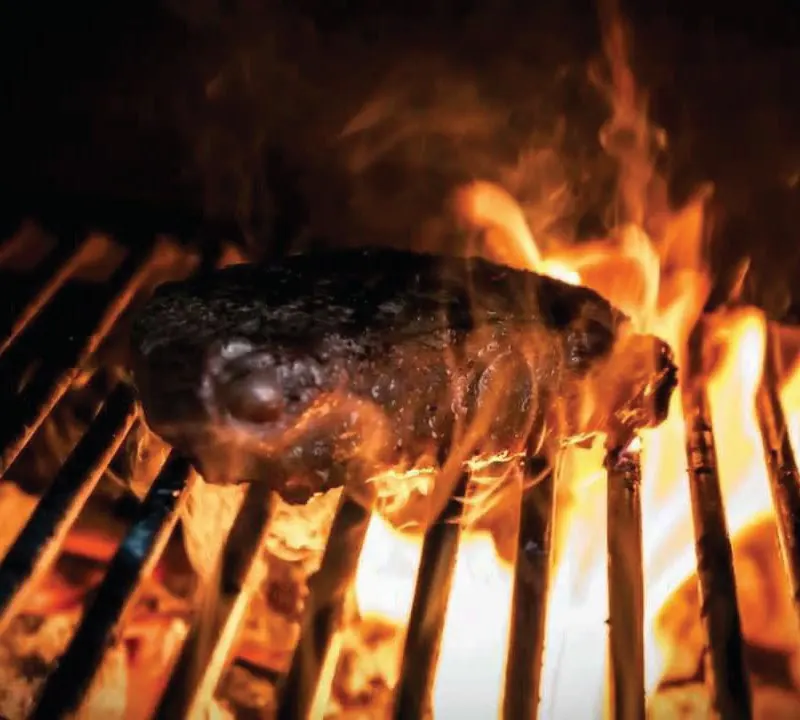
There is a seductive quality to the open grill. It is theatre. It connects the diner to the process and offers the chef a visceral connection to the heat. The cooking happens via direct radiant heat, moving from the bottom up.
- The Payoff: It allows for continuous basting, easy access for multiple chefs, and that distinct, charred crust that only comes from direct flame contact.
- The Price: It is an energy thief. The open grill bleeds heat, raising the ambient temperature of the kitchen and forcing extraction systems to work overtime. It is also slower; without a lid to trap heat, thicker cuts require patience and careful rotation.
2. The Enclosed Charcoal Oven
This is a different beast entirely. It functions as a hybrid, a high-pressure chamber that seals heat inside. Temperatures often exceed 400°C, cooking food via radiant heat, convection, and conduction simultaneously.
- The Payoff: The speed is unmatched – often 40% faster than an open grill – and the pressure seals moisture into proteins instantly. The insulated door means the heat stays in the oven, not in the kitchen.
- The Price: It requires a recalibration of skill. You cannot see the food constantly. Opening the door dumps heat, so chefs must trust their timing and intuition. It has a steep learning curve, but the reward is efficiency and succulence.
Operational Integration
In a high-volume kitchen, fire cannot be a bottleneck. The choice of equipment dictates the workflow. An enclosed oven allows for “finish-in-oven” techniques, where proteins marked on a plancha can be finished in the smokey chamber in minutes, freeing up burner space.
But fire is unforgiving. It drives juices to the centre of the protein, making a dedicated, warm resting station non-negotiable. Whether using the open stage or the sealed box, the grill is not just a heat source. It is a testament to skill, proving that in the right hands, fire is the most sophisticated ingredient of all.