
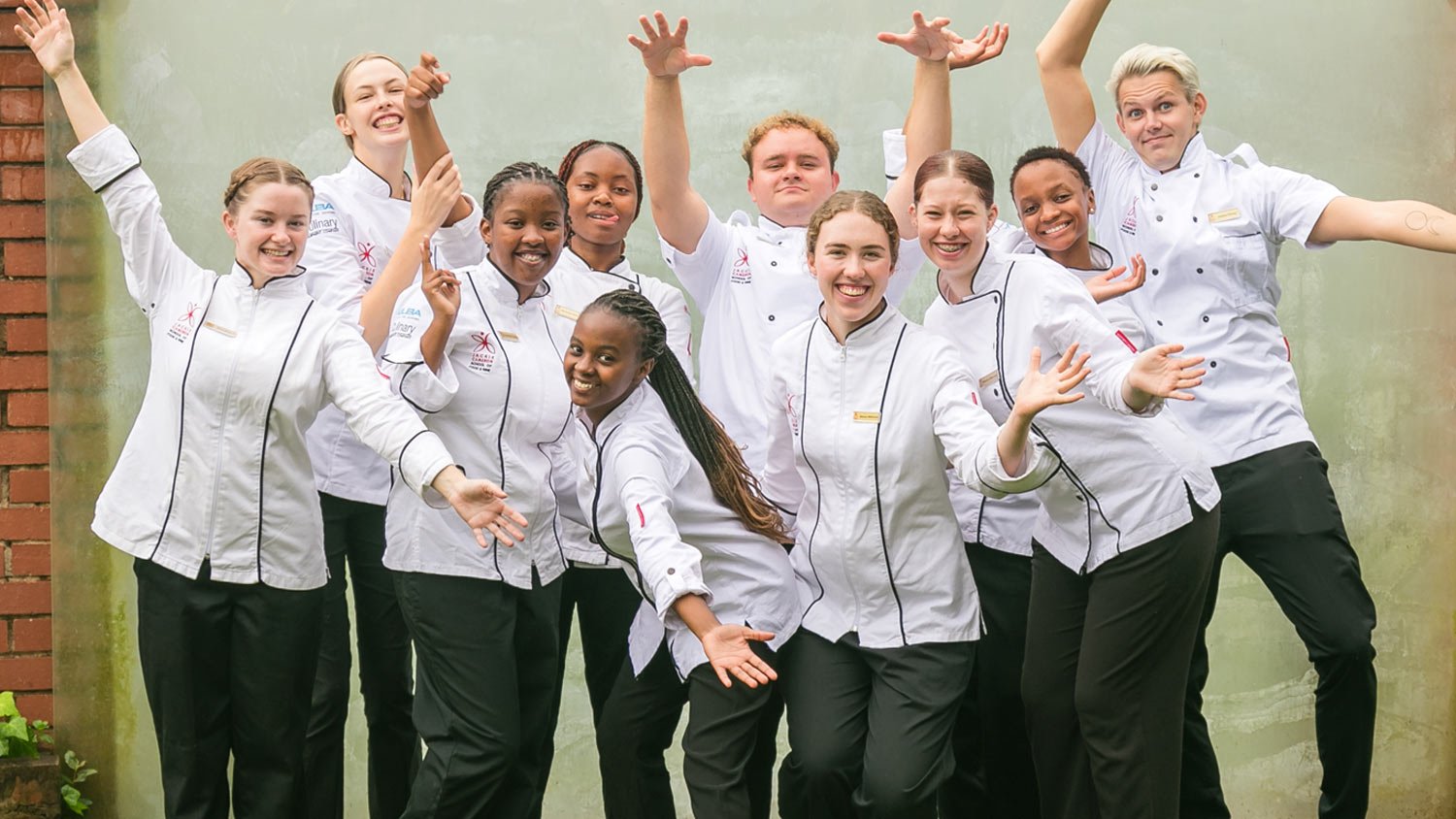
The Shift in Teaching in South African Culinary Schools
The key conversations around training successful chefs have always centered around techniques and culinary skills. The introduction of management and supervisory skills has brought many culinary graduates closer to stepping into higher positions and this has intensified the demand on these young chefs. Industry is waking up to a truth that is seldomly addressed. Culinary skills are no longer enough, especially in the evolving landscape of teaching in South African Culinary Schools.
Across South African culinary schools, from private academies to TVET colleges, accredited for the OCTO Chef and Cook qualifications, we are seeing an urgent need for a different kind of training. One that reaches beyond the knife and into the heart of what it means to thrive as a chef today. This shift is redefining teaching in South African Culinary Schools.
The unspoken curriculum: Understanding burnout early

Chefs burn out. It is an occupational hazard that can no longer be ignored. In professional kitchens the culture of endurance has been romanticised for decades. Chefs were told, it is what it is, it has always been that way. Long hours, high pressure, emotional intensity, takes its toll.
We can do better for the next generation entering the workforce. Especially students that study structured QCTO occupational qualifications, there is a change to intervene sooner.
Soft skill inclusions into curricula ensure that we can help students understand stress cycles, emotional regulation, and realistic expectations of industry life, ensuring young chefs enter the industry better prepared, empowered, and more resilient.
Teaching Soft skills are not optional — They are foundational
Soft skills have been viewed as ‘nice to have’ skills in training, but today they are competencies that put employers at risk. Speaking to chefs in hotels, restaurant owners, and culinary academies, the same themes keep emerging:
“We need cooks and chefs that know how to communicate”
“Time management are challenging for the younger generation”
“We need chefs who can lead themselves before they lead a team”
Embedding these skills into the curriculum is no longer a luxury, it is a requirement.
For chefs these include:
-
Creativity
-
Conflict resolution
-
Problem solving
-
Time management
-
Effective Communication
-
Leadership skills
-
Teamwork
-
Cultural sensitivity
These skills improve employability for the young chefs but most importantly, these adequately prepare chefs who can stand the heat without losing themselves.
Wellness initiatives: Caring for the student before the chef
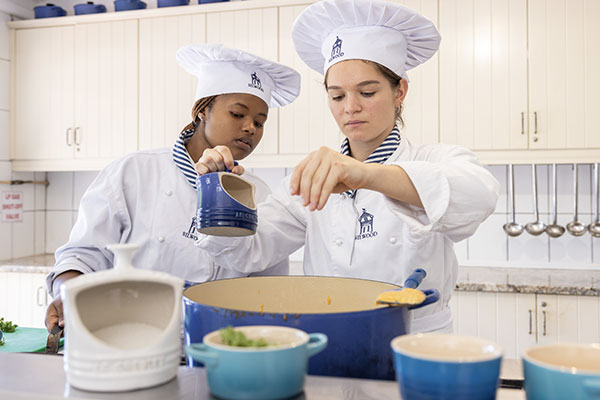
A meaningful shift in culinary education in recent years is the focus on student wellness, with may culinary institutions introducing programs and initiatives to create students that are workplace ready. Some of these include:
-
Wellness check-ins
-
Mindfulness sessions
-
Peer support groups
-
Access to counselling
-
Workshops on self-care, nutrition, and work-life balance
-
Conversations about financial literacy and personal boundaries
These are not extras, these are lifelines for our future leaders, entrepreneurs, and custodians of our food culture.
What “Beyond the Knife” really means
Teaching young chefs to hold a knife is important. Teaching them how to hold themselves together in a high-pressure environment is transformative.
The culinary landscape is at a turning point, with the national occupational qualifications aligning to what we need in the industry, and what competence really means, we can embrace a more holistic vision of what a chef can be.
Going beyond the knife is not about softening the profession but strengthening it. Shaping chefs that are technically excellent, emotionally resilient, self-aware and grounded.
The future of South African kitchens belongs to those who can cook with skill, lead with empathy and can withstand the heat. In the kitchen and in themselves.

Leave a comment